Do not seek recreational cannabis in the UAE: Federal Decree-Law No. 30 of 2021 prohibits its purchase, sale, possession, transport, and use outside approved medical or scientific activity. Dubai International Airport and other entry points apply strict controls, so carrying products from abroad can lead to arrest, fines, imprisonment, or deportation.
For lawful medical needs, check requirements with the Emirates Drug Establishment or the Ministry of Health and Prevention before travel. People needing support can contact the National Rehabilitation Center for confidential treatment services; industrial hemp products also remain subject to specific restrictions under the 2025 federal framework.
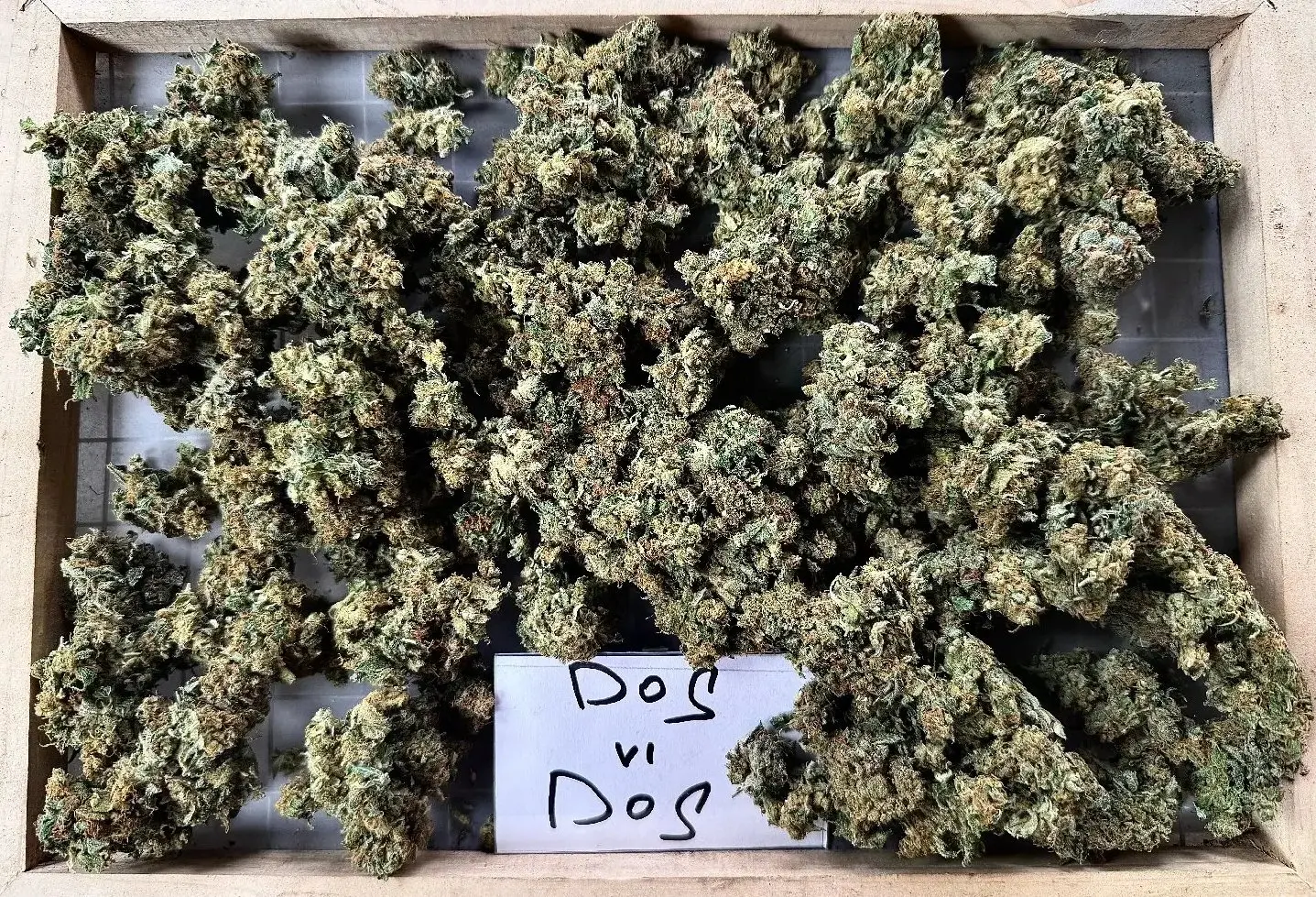
Do not carry, consume, store, import, export, sell, or share cannabis products in the United Arab Emirates. Federal Decree-Law No. 30 of 2021 treats narcotic substances as prohibited unless handled through licensed medical or scientific channels. The rule applies to dried plant material, resin, oils, edibles, and products containing THC. A prescription issued outside the country does not create automatic permission to bring or use such products.
For personal use, Article 41 provides a minimum of three months’ imprisonment or a fine from AED 20,000 to AED 100,000 for covered narcotic substances. A second offence within three years raises the minimum to six months or AED 30,000, while a third offence can bring at least two years and a minimum AED 100,000 fine. Courts may direct some first-time offenders toward treatment and rehabilitation under Article 45. The National Rehabilitation Center and licensed health authorities handle treatment services. ConductPotential consequence
| Personal use or possession | At least 3 months or AED 20,000–100,000 |
| Second offence within 3 years | At least 6 months or AED 30,000–100,000 |
| Third or later offence | At least 2 years and AED 100,000 minimum |
| Inciting or facilitating use | At least 5 years and AED 50,000 minimum |
| Trafficking or promotion | Life imprisonment or, in specified cases, the death penalty |
Foreign nationals convicted of narcotics offences generally face deportation after serving the sentence, subject to limited family-related exceptions. The 2025 amendments also place medical-product regulation under the Emirates Drug Establishment and preserve strict controls over licensed medicines. Legal interpretation depends on the Arabic text and the facts of each case; anyone detained should request a UAE criminal lawyer immediately.
Do not purchase, carry, consume, or arrange delivery of cannabis in the Emirates. Federal Law by Decree No. 30 of 2021 criminalizes production, import, export, transport, purchase, sale, possession, and storage of narcotic substances outside regulated medical or scientific activity. The law took effect on January 2, 2022, and remains active on the UAE legislation portal.
At Zayed International Airport, customs screening can expose cannabis, residue, oils, vape cartridges, or contaminated luggage. British government travel guidance states that possession of a very small quantity may bring at least three months in prison or a fine ranging from AED 20,000 to AED 100,000. Authorities may also treat detectable substances in the bloodstream as possession.
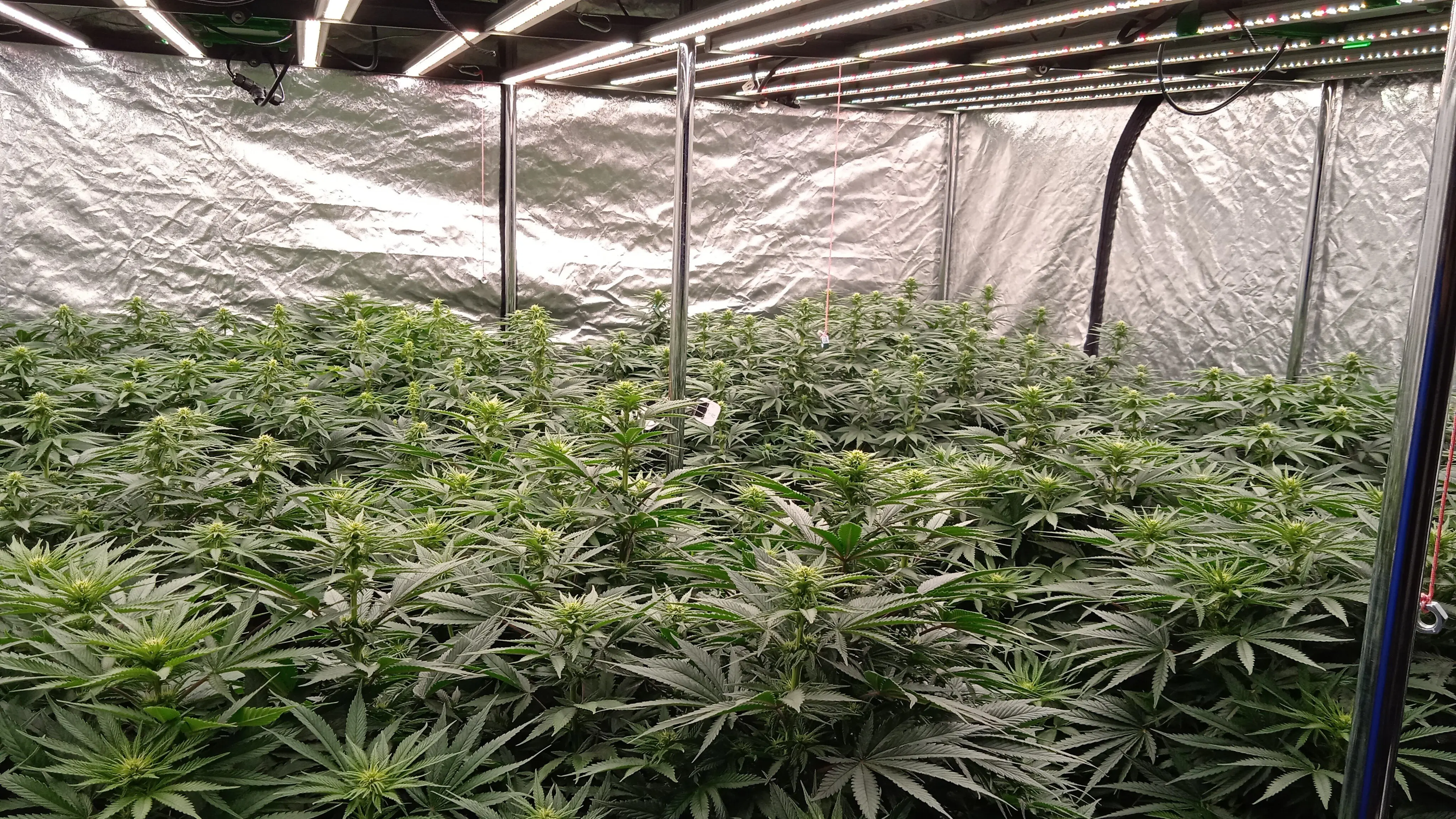
Online sellers, encrypted messaging groups, hotel contacts, and informal delivery services create additional evidence: payment records, location data, chat logs, packaging, and witness statements. Paying through a bank transfer or cryptocurrency does not reduce liability. Possessing, concealing, or handling money connected with a narcotics offence can trigger separate criminal consequences under the same federal framework.
Products marketed as CBD, “herbal highs,” wellness liquids, or imported vape refills are not automatically lawful. The Ministry of Health and Prevention requires advance approval for certain controlled medicines, while the National Rehabilitation Center in the capital provides treatment rather than a retail channel. A foreign prescription, a legal purchase in California, Canada, or the Netherlands, or a claim that the product contains only trace compounds offers no safe assumption at the border.
If stopped, do not destroy evidence, contact a seller, or sign documents you cannot understand. Request a qualified UAE criminal lawyer and notify your consulate. For immediate danger, call UAE Police on 999.
Do not carry cannabis, THC cartridges, CBD oils, edibles, or residue through Zayed International Airport, even when the product was legally purchased in another country. The UAE classifies recreational drugs as banned goods, and Federal Law by Decree No. 30 of 2021 criminalizes importing, exporting, transporting, possessing, storing, buying, and selling narcotic or psychotropic substances. Searching for “Buy Weed Abu Dhabi” does not change the legal position or create an exemption for visitors.
Airport screening and customs checks operate separately. TSA officers in the United States focus on aviation security, but suspected illegal substances may be referred to local, state, or federal law enforcement. On arrival in the UAE, Federal Authority for Identity, Citizenship, Customs and Port Security officers and General Administration of Customs, Abu Dhabi can inspect baggage, question passengers, seize prohibited items, and refer cases for investigation. Etihad Airways also lists prohibited goods and warns that passengers remain responsible for items in checked or cabin baggage.
Travelers carrying prescription medicines should keep them in original packaging with a valid prescription, medical report, and any required Ministry of Health and Prevention authorization. Check the UAE controlled-medicine list before departure because some medicines permitted in the United States or Europe require prior approval or may be prohibited. Declare financial instruments above AED 60,000 through the official UAE disclosure system, and answer customs questions accurately. A customs referral can cause missed connections, detention, prosecution, deportation, or a future entry ban.
Do not send money, passport scans, Emirates ID details, bank credentials, or one-time passwords to sellers found through Telegram, WhatsApp, Instagram, or private websites. A supposed vendor using urgent messages, anonymous accounts, copied product photos, or cryptocurrency-only payments is a fraud risk. Requests for “customs clearance,” “delivery insurance,” or a refundable security deposit are common ways to extract more money after the first transfer.
Check the domain name, account history, spelling, contact details, and payment recipient before responding. A seller who refuses a verifiable business identity, changes prices during the conversation, or promises delivery despite UAE restrictions should be treated as fraudulent. The UAE Government states that recreational narcotics are banned and that Federal Decree-Law No. 30 of 2021 criminalises unauthorized buying, selling, possession, transport, and storage of controlled substances. Warning signLikely riskSafe action
| Payment by Bitcoin or gift cards | No practical refund route | Do not transfer funds |
| “Official” logo on a new website | Impersonation or phishing | Check the domain independently |
| Remote-access app request | Device or banking theft | Refuse installation and end contact |
| Passport or OTP request | Identity or account takeover | Share nothing and save evidence |
Save screenshots, usernames, phone numbers, wallet addresses, receipts, and chat exports. Do not threaten the account or continue negotiating. Report suspected fraud through the AMAN service at 8002626, by SMS to 2828, or through the official police application. Authorities advise avoiding suspicious links, protecting card data and passwords, and using verified applications from Apple App Store or Google Play.
Do not carry cannabis flower, resin, THC oils, edibles, vape cartridges, or plant material into the UAE, even with a foreign prescription or a medical-cannabis card. UAE customs lists cannabis and similar narcotic substances as prohibited goods. This rule applies to residents, tourists, transit passengers, and holders of prescriptions issued in the United States, Canada, the United Kingdom, or any other country.
Residents cannot obtain a local prescription for recreational cannabis. A medicine containing a controlled narcotic may enter only through the approved medical-import process overseen by the UAE Ministry of Health and Prevention and the Emirates Drug Establishment. The product must be legally prescribed, listed as an authorized medicine, kept in its original packaging, and supported by a medical report stating the diagnosis, dosage, treatment period, and patient details. SituationPermitted positionRequired action
| Tourist carrying cannabis | Not permitted | Do not pack or declare it as ordinary medicine |
| Resident carrying controlled medicine | Only an approved pharmaceutical product | Use original packaging and medical documents |
| Transit passenger | Transit rules may differ | Keep the prescription and remain airside |
| CBD oil or edible | Risky unless officially authorized | Confirm the exact product with UAE authorities before travel |
Possession of even a small amount of illegal cannabis can lead to at least three months in prison or a fine of AED 20,000–100,000. Foreign nationals may also face removal after a conviction. Travelers should contact MOHAP or the Emirates Drug Establishment before departure, not rely on a doctor’s letter alone.
Call 998 for an ambulance if the person has trouble breathing, chest pain, seizures, extreme confusion, loss of consciousness, or cannot be awakened. Move the person away from smoke, keep them seated or lying on their side, and do not let them drive. Do not induce vomiting or give alcohol, sedatives, or unverified remedies. The UAE Government lists 998 for medical emergencies and 999 for police assistance.
For suspected poisoning, contact the Department of Health Poison and Drug Information Service at 800424. Tell the clinician the person’s age, symptoms, exposure route, approximate time, and any product label or packaging. Keep the package available for identification, but avoid touching loose material unnecessarily.
If a substance is found in luggage, a vehicle, accommodation, or clothing, do not consume it, sell it, transfer it, flush it, or conceal it. Avoid moving the item unless there is an immediate safety risk. Contact 999 or the Abu Dhabi Police call center at 8003333 and request instructions. The police also list the confidential Aman Service at 8002626 for security information.
The National Rehabilitation Centre is identified by UAE authorities as a treatment partner for substance-related support; seek medical guidance rather than self-treating symptoms.
Contact the National Rehabilitation Centre (NRC) through 800 2252 or 02 306 0000 and ask for a private assessment. NRC states that patient identities are not disclosed outside staff linked to care, and its online assessment request can be submitted anonymously. UAE nationals receive NRC services without charge; non-nationals should ask about applicable fees before booking. The centre lists specialists including Dr. Mohammed Aljneibi and Dr. Ahmed Yousif Ali for psychiatric care.
For immediate emotional support, call the Department of Health’s 24/7 Sakina hotline at 800 SAKINA (725462). Sakina operates within the SEHA and PureHealth network and offers addiction psychiatry involving psychiatrists, psychologists, therapists, and addiction specialists. Ask whether the call can remain anonymous, what records are created, and which clinic handles follow-up. If withdrawal symptoms include seizures, severe confusion, chest pain, breathing difficulty, or unconsciousness, call emergency medical services rather than waiting for an appointment. OptionBest useContact
| NRC | Anonymous assessment, rehabilitation, psychiatric review | 800 2252 |
| Sakina | 24/7 mental-health and addiction-psychiatry support | 800 SAKINA (725462) |
| SEHA psychiatry | Clinic referral and medical evaluation | SEHA appointment channels |
Before sharing personal details, use a private phone, request the clinician’s name, and ask how information is stored under the Department of Health’s AAMEN privacy standard. A trusted relative may attend only with the patient’s permission. Keep a short record of medications, last use, sleep, food intake, and symptoms; this helps clinicians assess risk without requiring a long explanation.
For mild pain, ask a licensed clinician or pharmacist about paracetamol, such as Panadol, or ibuprofen, such as Advil, after checking stomach, kidney, liver, pregnancy, and drug-interaction risks. Persistent pain may require physiotherapy, posture training, weight management, or a referral to a pain specialist at Burjeel Medical City or Sheikh Shakhbout Medical City. Opioids and sedatives are controlled medicines; use is permitted only under a valid prescription and approved medical supervision under UAE Federal Decree-Law No. 30 of 2021.
For anxiety, request assessment for cognitive behavioural therapy, breathing exercises, and prescription options such as sertraline or escitalopram. These medicines usually require several weeks before full benefit and should not be stopped suddenly. Sleep problems often improve through CBT-I, a fixed wake time, morning sunlight, reduced caffeine after midday, and treatment of sleep apnoea. Melatonin should be discussed with a clinician before use, especially alongside anticoagulants, sedatives, or antidepressants. ProblemLawful optionClinical note
| Pain | Paracetamol or ibuprofen | Check organ disease and interactions |
| Anxiety | CBT, sertraline, escitalopram | Prescription review and follow-up |
| Insomnia | CBT-I, sleep assessment, melatonin advice | Rule out apnoea and restless legs |
Do not import controlled tablets without checking current approval requirements. Ministry of Health and Prevention guidance states that controlled medicines may require prior approval, supporting documents, and limits of up to 30 days for certain narcotic preparations or three months for qualifying prescription medicines.
No. Recreational cannabis is illegal in Abu Dhabi and throughout the UAE. Federal law prohibits buying, selling, importing, transporting, possessing, storing, or using narcotic substances unless the activity falls within a narrowly controlled medical or scientific framework. Online advertisements, private sellers, and delivery offers do not make a purchase lawful.

Tourists should not bring cannabis, THC oils, edibles, vape cartridges, hashish, seeds, or similar products into Abu Dhabi. Airport customs rules apply even when the product was purchased legally in another country. A package labelled “CBD,” “hemp,” or “herbal” may still contain restricted compounds, so travellers should check the official UAE medicine and customs requirements before flying.
Medical treatment must go through a licensed UAE doctor and involve a medicine approved for use in the country. A prescription from a doctor abroad does not give a visitor permission to buy or use cannabis in Abu Dhabi. Controlled medicines may require approved prescriptions, permits, or import authorisation, depending on the substance and the patient’s situation. Ask a licensed clinic or the relevant UAE health authority before travelling with any medication.
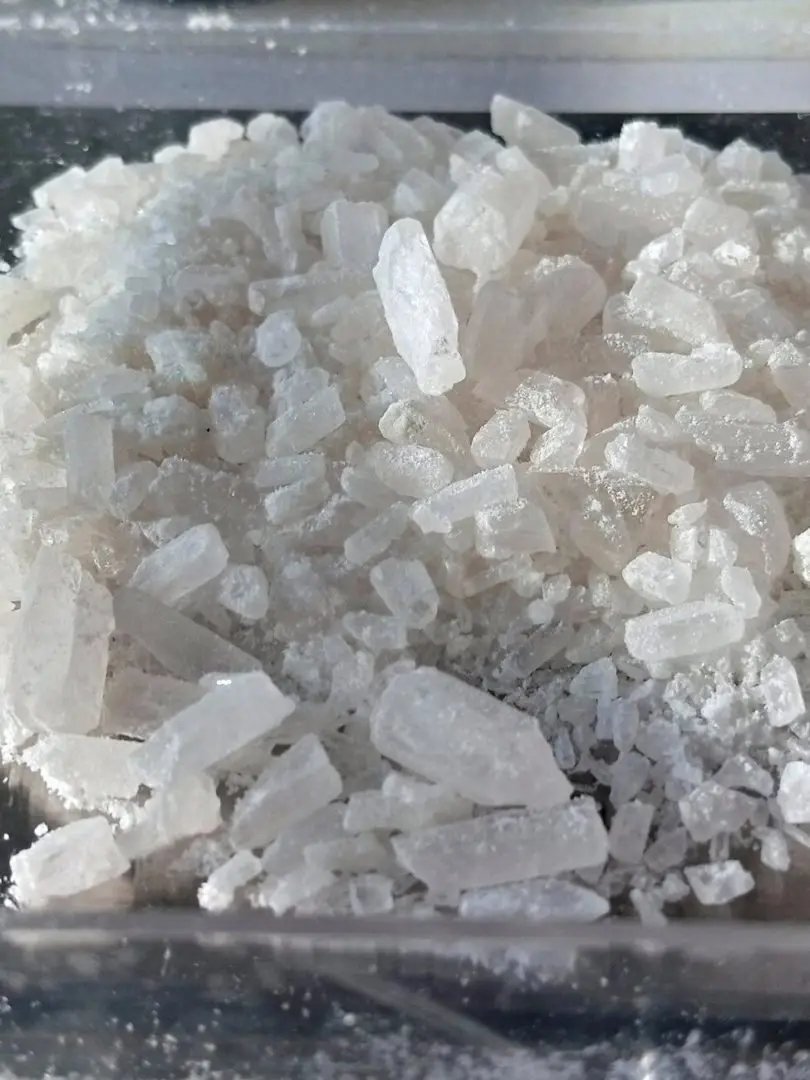
Contacting an online seller can expose a person to arrest, fraud, contaminated products, blackmail, and theft of personal information. Buying or arranging delivery may create evidence of an alleged drug offence, even when the seller claims that the product is legal or contains only CBD. Do not send money, identity documents, hotel details, or a location. If someone is threatening you, save the messages and contact the police or your embassy rather than meeting the seller.
Seek medical support instead of trying to buy more cannabis. A licensed doctor, hospital, or addiction service can discuss withdrawal, sleep problems, anxiety, and other symptoms without directing you to an illegal supplier. The UAE’s National Rehabilitation Center in Abu Dhabi provides treatment and rehabilitation services for substance-use problems. If there is confusion, chest pain, severe panic, loss of consciousness, or suspected poisoning, call UAE emergency services immediately.
No. Cannabis is not sold legally for recreational use in Abu Dhabi. Buying, possessing, using, selling, importing, or sharing cannabis may lead to criminal proceedings under UAE federal law. The UAE government also warns that controlled substances are restricted and that narcotic drug use is prohibited.
There are no lawful recreational cannabis shops or delivery services that consumers can use in Abu Dhabi. Websites, social-media accounts, and messaging groups advertising delivery may be scams or may expose buyers to criminal charges. Do not send money, identification documents, or your location to such sellers.
A foreign prescription does not automatically allow cannabis to be brought into the UAE. Medication containing controlled substances may require approval, supporting medical documents, and compliance with UAE import rules. Travelers should check the current requirements through official UAE government channels before flying. Carrying cannabis without the required authorization can create serious legal problems at the border.
Do not arrange a meeting or transfer payment. End the conversation, avoid handling or storing any package, and keep records of threatening messages if you feel unsafe. For an immediate danger, contact local emergency services. If the issue involves substance use rather than a sales offer, a licensed doctor or an authorized treatment provider can discuss confidential support options.
CBD products should not be treated as automatically permitted. Their legality may depend on the ingredients, concentration, product category, labeling, and the applicable UAE rules. Some products marketed as CBD may contain THC or other controlled compounds. Do not order such products online or pack them for travel without confirming their status with an official UAE authority or a licensed medical provider. UAE legislation also states that products capable of producing a narcotic or psychoactive effect may fall under drug-control laws.






