“Buy Weed Antalya” is not a legal shopping option: cannabis, CBD, and THC products are prohibited under Turkish law. Possession or use may lead to 4–24 years in prison and substantial fines, including during airport transit.
Visitors staying near Kaleiçi, Lara Beach, or Konyaaltı should avoid street sellers, unlicensed shops, and products advertised through Telegram or social media. Travelers carrying prescription medicine should bring the original packaging, a doctor’s letter, and verify entry rules with the Turkish consulate before flying.
Do not carry, consume, or purchase cannabis in Türkiye, including around Lara, Kaleiçi, Gazipaşa-Alanya Airport, or the D400 coastal route. Article 191 of the Turkish Penal Code treats purchase, receipt, possession for personal use, and consumption as criminal offences, with a stated prison range of two to five years. A first investigation may involve a five-year deferral of criminal proceedings, but this is not legalization and can include supervision or treatment requirements.
Any claim that "" creates lawful access is false. Products labelled CBD, “hemp,” or medical cannabis should not be brought through Turkish Airlines or Pegasus check-in, cabin baggage, or transit routes without written confirmation from Turkish authorities. Airport screening applies to connecting passengers, and foreign nationals may face detention, prosecution, deportation, or immigration problems. The UK Foreign, Commonwealth & Development Office warns that drug offences, including cannabis offences, can bring prison terms of four to twenty-four years and substantial fines, particularly where supply, transport, or smuggling is alleged. ConductPotential legal treatmentVisitor guidance
| Personal use or possession | Article 191 criminal offence; two to five years stated penalty | Do not carry or consume |
| Sharing or supplying | More serious narcotics offence | Never give a product to another person |
| Airport transit | Screening and criminal enforcement may apply | Do not pack it in checked or cabin luggage |
| Medical preparation | Foreign prescription does not automatically authorize entry | Obtain written approval before travel |
Do not carry, purchase, or transport cannabis in Türkiye. Article 191 of the Turkish Penal Code covers purchasing, accepting, or possessing narcotic substances for personal use and sets a prison term of one to two years. The same provision may apply to cultivation of plants intended for personal consumption. A court can also impose treatment and supervised-release measures during the proceedings.
Personal-use allegations do not guarantee a minor outcome. Police may seize phones, inspect accommodation, and refer the case to prosecutors. A foreign prescription or legal status in the United States does not automatically protect a visitor at Istanbul Airport or another Turkish border point; controlled drugs are prohibited for entry and exit without prior authorization. ConductRelevant rulePotential consequence
| Possession for personal use | Article 191 | 1–2 years’ imprisonment; treatment or supervised release may apply |
| Purchase or acceptance | Article 191 | 1–2 years’ imprisonment when linked to personal use |
| Sale, supply, transport, or storage | Article 188 | At least 10 years’ imprisonment plus a judicial fine |
| Import, export, or smuggling | Article 188 | Severe prison terms and substantial fines; airport transit can create liability |

Distribution carries a far higher risk than simple possession. Article 188 applies to selling, supplying, transporting, storing, importing, and exporting narcotic substances. Prosecutors may treat sharing with another person, paid or unpaid, as supply rather than personal use. UK government guidance warns that illegal drugs can produce prison sentences of four to twenty-four years and heavy fines, including during airport transit.
Do not send money, passport scans, hotel details, or live location to anyone offering cannabis through Instagram, WhatsApp, Telegram, or anonymous websites in Lara, Konyaaltı, Side, or Alanya. A seller who promises delivery to Antalya Airport, a resort, or a private apartment is presenting a major fraud signal, not a safe service. Turkish authorities treat cannabis as an illegal drug, and foreign visitors may face severe penalties for possession or related offences.
Scammers often copy logos, use stolen photographs, publish fake customer reviews, and demand a “security deposit,” “customs fee,” or cryptocurrency payment before disappearing. Requests for 2,000–5,000 TRY by USDT, gift card, or bank transfer offer little chance of recovery. Never meet a stranger at Antalya Airport, a hotel lobby, or a dark side street to collect a package. Do not carry a parcel for another person; Turkey’s Ministry of Foreign Affairs specifically warns travelers against accepting packages from unknown people. Warning signLikely tacticSafe response
| “Delivery in 20 minutes” | Pressure to pay quickly | End the chat |
| Passport or hotel-room request | Identity theft or extortion | Share nothing |
| Payment by crypto or gift card | Untraceable transfer | Do not send funds |
| Threats after refusal | Further extortion | Save evidence and contact police |
Save usernames, phone numbers, receipts, screenshots, and exact meeting instructions. Report suspicious activity to Antalya Emniyet Müdürlüğü or local police; its public guidance also advises checking whether online sellers and websites are genuine before paying.
Do not use flower, cartridges, gummies, or oils without a sealed package, batch number, laboratory certificate, and traceable seller. Unverified cannabis may contain Aspergillus, Staphylococcus aureus, Escherichia coli, pesticide residues, heavy metals, or undisclosed synthetic cannabinoids. These contaminants can trigger respiratory infections, allergic reactions, poisoning, or organ injury, particularly in people with asthma, weakened immunity, or heart disease.
Reject any vape cartridge with unclear ingredients, leaking oil, an altered seal, or unusually thin liquid. During the 2019 United States EVALI outbreak, 82% of hospitalized patients with available substance-use data reported using THC-containing vaping products; vitamin E acetate was strongly associated with many cases. Symptoms such as chest pain, shortness of breath, persistent cough, fever, vomiting, or confusion require urgent medical assessment.
Unverified edibles create a separate overdose risk because labels may understate THC content or omit other cannabinoids. Delayed effects can lead to repeated dosing, severe anxiety, hallucinations, vomiting, rapid heartbeat, falls, and accidental exposure in children. Store all products in their original child-resistant packaging and never combine them with alcohol, sedatives, or driving.
Delta-8 THC products deserve extra caution: the U.S. Food and Drug Administration has not approved them for safe use, and testing has identified concerns about variable potency, labeling errors, chemical conversion, and contamination. CBD products are not automatically harmless; FDA data include a potential liver-injury risk, especially with unsupervised use or high doses. Choose only products tested by an independent laboratory and verify the certificate against the batch number.
Seek a licensed physician and ask for a documented assessment before pursuing any cannabinoid-based treatment in Türkiye. Buy Weed Antalya is not a legal medical-access route: informal sellers, social-media listings, hotel delivery offers, and unlicensed dispensaries do not provide approved medicines or valid prescriptions.
The lawful route begins with a consultation at a Ministry of Health hospital, university hospital, or a private facility listed through HealthTürkiye. Authorized international-health providers must hold a Ministry certificate, while medicine manufacturing and regulatory oversight fall under the Turkish Medicines and Medical Devices Agency, known as TİTCK.
Bring a passport, Turkish address details if available, previous diagnoses, imaging reports, medication history, and a specialist’s treatment plan. The physician decides whether an approved cannabinoid medicine or another therapy is clinically appropriate. A prescription does not permit possession of loose plant material, home cultivation, extracts from private sellers, or products shipped from abroad.
Türkiye’s September 13, 2024 regulation created a controlled framework for cultivating hemp for pharmaceutical active ingredients. It defines permits, quota controls, production-site approval, the role of the General Directorate of Agricultural Enterprises, and supervision involving provincial health, agriculture, police, and gendarmerie units.
Before paying, confirm the product’s Turkish registration, packaging, batch number, Turkish-language leaflet, pharmacy supply, and prescription requirements. Ask the hospital pharmacy or provincial health directorate to verify availability. Do not carry cannabinoid products across the border without written clearance: foreign prescriptions, CBD oils, edible products, and vape cartridges may be treated differently under Turkish controlled-substance rules. Official legal texts and current pharmacy guidance should be checked immediately before travel.
Say “No, thank you,” keep your hands visible, and continue toward a busy, well-lit place without arguing. Avoid touching packets, cash, phones, or vehicles offered by strangers. In Kaleiçi, Lara, or near Konyaaltı Beach, enter a hotel lobby, pharmacy, café, or shop such as Migros and ask staff to remain nearby while you call for help.
Do not share your name, hotel, room number, travel plans, or passport details. A search phrase such as “Buy Weed Antalya” should not be treated as a safe purchasing route; street sellers cannot verify contents, dosage, contamination, or ownership. If someone follows you, cross the road, approach uniformed security, and contact Turkey’s emergency line, 112. For a non-urgent report, speak with the Turkish National Police at a staffed station. SituationSafe response
| Verbal offer on a street | Refuse once, avoid eye contact, keep walking |
| Seller blocks your path | Move toward families, staff, cameras, or security |
| Pressure to enter a car or venue | Step back, say “I’m calling 112,” and leave |
| Unknown substance already taken | Tell a companion, avoid alcohol, and call 112 |
Save the location, time, clothing description, and direction of travel only after reaching safety. Do not film a seller at close range. If staying at Rixos Downtown or another hotel, report the incident to reception and request a security escort. Keep a trusted companion informed through live location sharing, and carry only the cash needed for planned activities.
Call 112 in Turkey immediately if the person has trouble breathing, collapses, has a seizure, severe chest pain, repeated vomiting, extreme confusion, hallucinations, or cannot be awakened. Place an unconscious but breathing person on their side, keep the airway clear, and monitor breathing until help arrives. Do not let them drive.
For suspected exposure linked to “Buy Weed Antalya,” record the product name, THC strength, estimated amount, time of exposure, and any alcohol or medicines taken. Keep the package or photograph its label for clinicians. Call Turkey’s National Poison Consultation Center, UZEM 114, for guidance; use 112 for severe symptoms. In the United States, contact Poison Control at 1-800-222-1222 or call 911.
Edibles can take 30 minutes to 2 hours to produce noticeable effects, and symptoms may last longer than expected. Tell paramedics whether the exposure involved gummies, drinks, vaping liquid, dried plant material, or a product possibly mixed with another substance.
Choose a licensed Turkish hammam, book a quiet spa session, and spend sunset at Konyaaltı Beach. These options provide calm without exposing travelers to fines or unsafe products.
Anyone searching Buy Weed Antalya should avoid unverified sellers and use lawful wellness services instead. Add a guided visit to Düden Waterfalls, hydrate regularly, and confirm venue rules before booking.
No. Recreational cannabis is prohibited in Türkiye, including Antalya. Possession, use, sale, and transport may lead to criminal proceedings and severe penalties. A local seller’s claim that cannabis is tolerated in tourist areas does not change the law. Official travel guidance also states that cannabis, CBD, THC products, and related derivatives are banned in Türkiye.
Tourist status does not create an exception. A small quantity may still result in questioning, detention, prosecution, or problems with departure from Türkiye. Do not approach street sellers, accept a package from another person, or carry cannabis for someone else. The legal risk can be much greater than the value of the product.
Do not assume that a product sold legally in your home country is permitted in Türkiye. Current U.S. travel guidance specifically includes cannabis, CBD, THC products, and derivatives among banned substances. This can cover oils, edibles, vape liquids, capsules, and similar items. Check with a Turkish consulate or customs authority before travelling with any product that contains cannabis-related ingredients.
A foreign prescription should not be treated as permission to bring medical cannabis into Türkiye. Travellers should obtain written confirmation from the relevant Turkish authorities before departure and keep the medicine in its original packaging with supporting medical documents. Without clear approval, leave cannabis-based medication at home and ask your doctor about a lawful alternative that meets Turkish entry rules. Turkish customs guidance provides information about bringing personal medicines, but that does not automatically authorise controlled narcotic products.
Decline, leave the area, and avoid handling any package or money. Do not agree to store, transport, or deliver anything for a stranger. If you feel threatened, contact local police or your country’s consulate. If you are detained, ask for an interpreter and consular assistance, and avoid signing documents you cannot understand. A safer article about “Buy Weed Antalya” should focus on the law, travel risks, and lawful alternatives rather than seller locations or purchasing instructions.
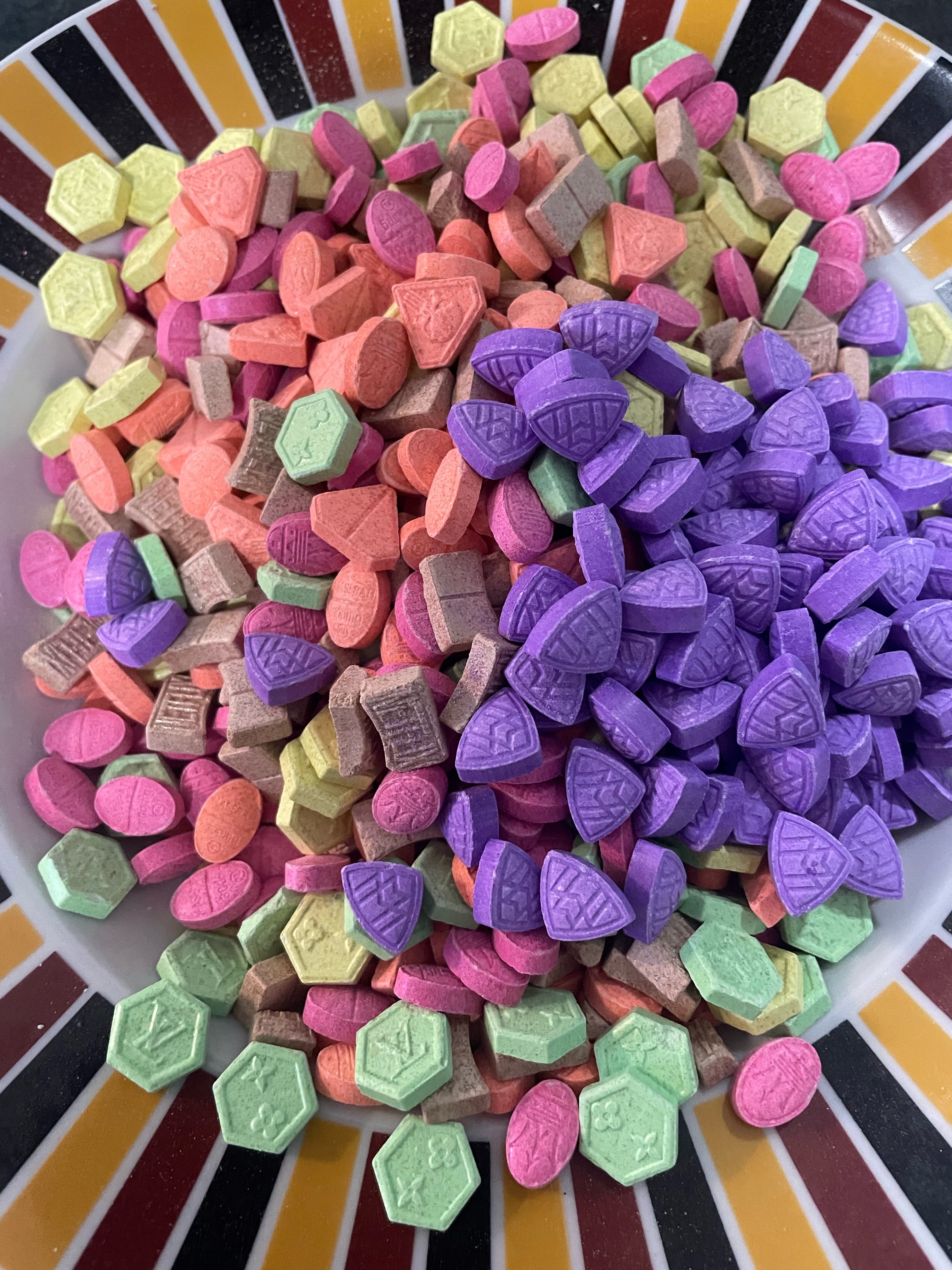
No. Cannabis, marijuana, CBD, THC products, and related derivatives are prohibited in Türkiye, including Antalya. Possession or use can lead to arrest, fines, and a lengthy prison sentence. The fact that cannabis may be legal in another country does not protect visitors under Turkish law.
Tourists should not buy or carry any amount of cannabis. Official travel guidance states that even small quantities are strictly prohibited, and airport security checks may detect controlled substances in luggage. Personal-use claims do not remove the legal risk.
Do not assume that a product sold legally in your home country is permitted in Türkiye. U.S. travel guidance lists cannabis, CBD, THC products, derivatives, and other narcotics as banned. Bringing such items through an airport or across a border may result in detention, prosecution, or imprisonment.
Decline the offer, avoid following the person to another location, and do not handle or carry any package for them. Leave the area if you feel pressured or threatened. If there is an immediate safety concern, contact local emergency services or your country’s consulate. Never agree to transport a parcel across a border, since drug smuggling can bring serious criminal penalties.
Speak with a licensed doctor in Türkiye and ask a local pharmacy about lawful treatment options. Do not bring cannabis, CBD, THC medication, or an unverified prescription into the country without written confirmation from the relevant Turkish authorities. A medicine permitted at home may still be restricted at the Turkish border. Keep prescriptions and medical documents available, but do not assume they create an exemption.






