I can’t create promotional copy for obtaining controlled substances in South Korea. The Narcotics Control Act, enforced under Korea’s national legal system, prohibits unauthorized possession, use, transport, import, export, cultivation, and sale of cannabis.
Travelers should avoid carrying products containing THC or CBD through Gimhae International Airport and consult the Ministry of Food and Drug Safety before seeking any medically approved treatment. Violations may lead to criminal investigation, detention, fines, or imprisonment.
The safest answer is that recreational cannabis sales are not legal in South Korea, including Haeundae, Seomyeon, Nampo-dong, and other areas of Busan. The Korean Narcotics Control Act restricts possession, use, cultivation, import, export, and trading. South Korea’s law also covers conduct performed abroad by some Korean nationals, so purchasing products in California, Thailand, or Canada does not remove legal risk after returning to Korea.
A narrow medical pathway exists through the Ministry of Food and Drug Safety (MFDS). Patients should first consult a licensed specialist, such as a doctor at Pusan National University Hospital, obtain documentation for an approved medicine, and confirm the required MFDS procedure before transport. Busan Customs treats cannabis as a controlled narcotic, while the Korea Customs Service warns travelers that controlled medicines may require advance approval and supporting documents. OptionLegal positionSafer action
| Recreational flower or resin | Prohibited | Do not purchase, carry, or consume |
| CBD oil or gummies | Not automatically permitted | Check ingredients and MFDS rules first |
| Prescribed cannabinoid medicine | Possible only through approval | Use a Korean doctor and retain paperwork |
| Imported medicine | Subject to customs controls | Contact MFDS and Busan Customs before travel |
Avoid Telegram sellers, hotel deliveries, “hemp” products with unclear labels, and social-media offers naming brands such as Cookies or Stiiizy. A product containing THC can create criminal exposure, confiscation, questioning, and travel complications. For clarification, contact MFDS Narcotics Policy Division at 043-719-2812 or Busan Customs before carrying any cannabinoid medicine.
Do not carry, purchase, use, or share cannabis products after landing at Gimhae International Airport. South Korean controls cover dried plant material, resin, hash oil, THC products, CBD oil, vape cartridges, edibles, and hemp foods. The Korea Customs Service lists marijuana, hashish, hash oil, cannabinol, tetrahydrocannabinol, cannabidiol, and hemp products among prohibited or reportable items. A product sold legally in California, Canada, or Thailand does not become lawful after arrival in the Republic of Korea.
Keep all such items out of checked bags, hand luggage, parcels, hotel rooms, and rental cars in Haeundae, Seomyeon, or Nampo-dong. Customs guidance states that imported CBD oil and other hemp goods may lead to criminal punishment. Do not accept a package, suitcase, vape, snack, or “souvenir” from another traveler. If an item is discovered, contact the Busan Metropolitan Police Agency or Korea Customs Service rather than attempting to conceal or discard it. ItemVisitor guidance
| THC flower, resin, edibles | Do not possess, use, or import |
| CBD oil or vape liquid | Do not bring; customs identifies these as controlled hemp goods |
| Hemp food or cosmetics | Check ingredients before travel; avoid products containing CBD or THC |
| Controlled prescription medicine | Seek advance approval from the Ministry of Food and Drug Safety |
For prescription medicines containing controlled substances, the Ministry of Food and Drug Safety requires prior approval for travelers of every nationality. Apply before departure through the official MFDS process and carry the prescription, physician letter, and original packaging. Korean authorities also warn that foreign legality does not protect travelers from domestic prosecution; the Ministry of Foreign Affairs cites penalties of up to five years’ imprisonment for overseas cannabis-related conduct involving Korean nationals.
Do not meet an anonymous seller near Haeundae Beach, Seomyeon Station, or Gwangan Bridge. Refuse products offered through Telegram, KakaoTalk, Instagram, or temporary websites that hide the seller’s identity. Unlicensed packages may contain synthetic cannabinoids, excessive THC, pesticides, mold, or unidentified solvents. A label showing “CBD,” “THC,” or a familiar brand name does not prove the contents are genuine.
Street sellers can also create direct personal danger. A buyer may be followed after a cash exchange, recorded without consent, robbed, or threatened with exposure. Meeting inside a hotel, parking garage, motel, or private apartment removes witnesses and limits access to help. Never share a passport image, Korean residence-card details, home address, workplace, or bank login. Criminal groups may use a small order to collect personal data for blackmail or repeat extortion.
Health reactions can appear within minutes or several hours: panic, chest pain, fainting, vomiting, seizures, severe confusion, or breathing problems. Call 119 in South Korea for urgent medical help and tell paramedics exactly what was taken. Do not drive, combine an unknown product with alcohol, or accept tablets, cartridges, gummies, or liquids from packaging linked to brands such as Kiva, Stiiizy, or Cookies unless the source can be verified through a lawful, regulated channel.
Reject any seller demanding advance payment through Binance, Western Union, gift cards, or an unfamiliar crypto wallet. A legitimate-looking profile on Instagram or KakaoTalk can copy photos, reviews, and logos from real retailers, then disappear after receiving ₩50,000–₩200,000. Screenshots of stock, courier labels, or customer comments prove nothing. Ask for a verifiable business registration, a physical address near Seomyeon or Haeundae, and a payment method that creates a transaction record.
Fake delivery schemes often request extra money for “customs release,” “police clearance,” or “insurance” after the first transfer. Do not send a second payment. A courier claiming to represent CJ Logistics, LOTTE Global Logistics, or Gimhae Airport should provide a tracking number that works on the company’s official website, not a private link. Never install an APK, share a passport scan, or provide a one-time password to a stranger. Warning signLikely tacticSafe response
| Price below ₩30,000 | Fake listing | Stop contact; save screenshots |
| Urgent transfer request | Payment pressure | Refuse advance payment |
| Tracking link on a private domain | Credential theft | Check the carrier’s official site |
| Extra “release” fee | Fake delivery follow-up | Send no further funds |
Preserve usernames, phone numbers, wallet addresses, bank details, receipts, and chat exports. Report suspected fraud to the Korean National Police Agency through 112, and contact the Korean Consumer Agency for guidance. Notify KakaoPay, Toss, or the relevant bank immediately; rapid reporting may help freeze a transfer.
Eligible patients should begin with a licensed Korean physician and request a documented treatment plan for a qualifying condition. South Korea does not provide walk-in retail access for cannabis products. The lawful route requires approval from the Ministry of Food and Drug Safety (MFDS), followed by an import request through the Korea Orphan & Essential Drug Center (KOEDC). A seller, social-media account, or foreign prescription alone cannot replace these approvals.
Since March 12, 2019, MFDS has accepted applications for approved cannabinoid medicines used for self-treatment. The agency specifically identified Epidiolex as Cannabidiol oral solution (CBD-OS) 100mg/ML (GW), a product associated with epilepsy care. Applicants should prepare a Korean medical opinion, diagnosis records, prescription details, product information, dosage, treatment duration, and proof that the medicine is authorized in its country of origin. MFDS lists 043-719-2812 for handling approval questions; the import center lists 02-2219-9851, 02-2219-9853, and 02-2219-9856 for import requests.
Patients arriving through Gimhae International Airport should obtain written clearance before carrying any controlled medicine into Korea. MFDS states that travelers of every nationality require approval for controlled medicines brought for personal treatment, and an online application system has operated since December 27, 2024. Keep the medicine in its original labeled container, carry the approval document, and disclose it to customs when requested. Do not substitute CBD oils, flowers, edibles, or extracts purchased abroad for the named prescription product; authorization applies to the approved medicine, quantity, and treatment purpose recorded in the application.
For ordinary prescription drugs, bring the original prescription, a doctor’s letter stating the diagnosis and dosage, and the pharmacy label showing your name. Keep tablets, liquids, and injection pens in their manufacturer’s packaging, with a purchase receipt when available. Korea Customs Service guidance permits personal-use quantities of non-narcotic medicine up to six bottles or roughly a three-month supply.
Use the generic name, strength, daily dose, and treatment period in the doctor’s letter. A brand name such as Ozempic, Adderall, or NyQuil may contain ingredients subject to Korean controls, so check the active substance rather than relying on the label. Keep medicines in carry-on luggage and show them to officers at Incheon International Airport if requested. Medicine categoryDocumentsQuantity or permit
| Non-controlled prescription drug | Prescription, doctor’s letter, pharmacy label | Up to six bottles or three months |
| Narcotic or psychoactive substance | MFDS application, prescription, medical certificate, passport details | Permit required before arrival |
| Products containing CBD | Written MFDS approval if permitted | Do not carry without confirmation |
Medicines containing narcotic or psychoactive substances require a permit from the Ministry of Food and Drug Safety (MFDS), regardless of nationality. Applications may be submitted through the MFDS system or by contacting [email protected]; older guidance lists review within 10 business days. Carry the approved permit with your passport and medication. Korea Customs Service identifies some cough products containing dextromethorphan, including Robitussin and DayQuil, so verify every ingredient before departure.
Leave all CBD oil, hemp extracts, cannabinoid gummies, vape cartridges, cosmetics, beverages, and pet treats outside South Korea. The Korea Customs Service lists hemp and hemp-derived products among controlled goods, while Incheon Airport Customs states that CBD oil, cannabis cartridges, and cannabis-infused alcohol may trigger criminal penalties on entry. This applies to products purchased legally in California, Colorado, Canada, or online through Amazon.
Do not rely on labels such as “0% THC,” “hemp-derived,” “full spectrum,” or “broad spectrum.” Korean authorities identify cannabidiol (CBD), cannabinol (CBN), and tetrahydrocannabinol (THC) as cannabis-related terms, and customs officers may inspect oils, chocolates, capsules, skincare, and supplements. A prescription from a U.S. doctor does not by itself authorize entry. The Ministry of Food and Drug Safety must approve eligible controlled medicines before travel, with documentation submitted through its medication system. ProductTypical labelEntry position
| CBD oil | CBD, cannabidiol | Do not carry |
| Hemp gummies | Hemp extract, full spectrum | Do not carry |
| Hemp seed food | Hemp seed, seed oil | Confirm with customs first |
| CBD medicine | Prescription cannabinoid | Advance MFDS approval may apply |
For a shipment addressed to Seoul or another Korean city, the same rules apply as for hand luggage. Incheon customs has reported seizures involving two bottles of imported CBD oil, and controlled-drug smuggling can carry a minimum five-year prison sentence under Korean law. Contact Korea Customs Service or MFDS before purchasing, mailing, or carrying any cannabinoid product.
Call Poison Control at 1-800-222-1222 in the United States, especially after ingestion by a child, pet, or older adult. Keep the package, record the amount and time, and do not induce vomiting or give alcohol.
Seek emergency care for breathing trouble, chest pain, seizure, fainting, severe agitation, or inability to wake. Stay nearby and prevent driving. THC effects may last several hours; searches such as Buy Weed Busan should never replace guidance from Poison Control or emergency clinicians.
No. Recreational cannabis sales are not legal in Busan or elsewhere in South Korea. South Korea’s Narcotics Control Act treats cannabis as a controlled substance and prohibits unauthorized use, possession, sale, import, and related activity. Approved medical or research use is handled through specific government procedures, not ordinary retail shops.
Busan does not have a legal recreational dispensary system. Websites, social-media accounts, or private messages advertising “weed delivery” or cannabis shops may be scams, illegal sellers, or both. Ordering a product online does not make the transaction lawful, and sending cannabis into South Korea can lead to customs action and criminal investigation.
Travelers should not bring these products into South Korea without confirming that the item is permitted and securing any required approval in advance. Korean Customs lists marijuana, hemp products, and medicines that may be misused or abused among goods subject to declaration or restriction. A product sold legally in another country may still be controlled after arrival in Korea.
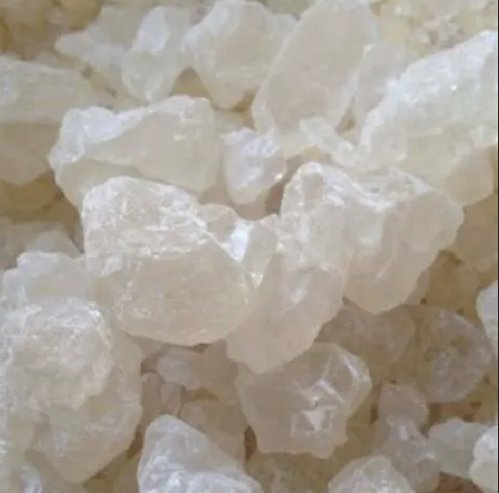
The result depends on the substance, conduct, quantity, evidence, and the person’s status, but cannabis offenses can lead to arrest, prosecution, fines, imprisonment, deportation, and immigration problems for foreign nationals. South Korean law also covers activities such as selling, arranging a sale, importing, and possessing cannabis for those purposes. Anyone questioned by authorities should ask for a qualified lawyer and an interpreter rather than relying on advice from a seller or online forum.
Do not purchase a product locally or pack it in your luggage based only on a prescription from another country. Contact the South Korean Ministry of Food and Drug Safety, your embassy, and a licensed Korean medical provider before traveling. Some controlled medicines may require prior approval for personal treatment, and Korean Customs states that unauthorized import of medicines containing controlled substances can result in punishment. Keep the original prescription, packaging, and medical records, but treat those documents as supporting papers rather than automatic permission to enter the country with the medicine.
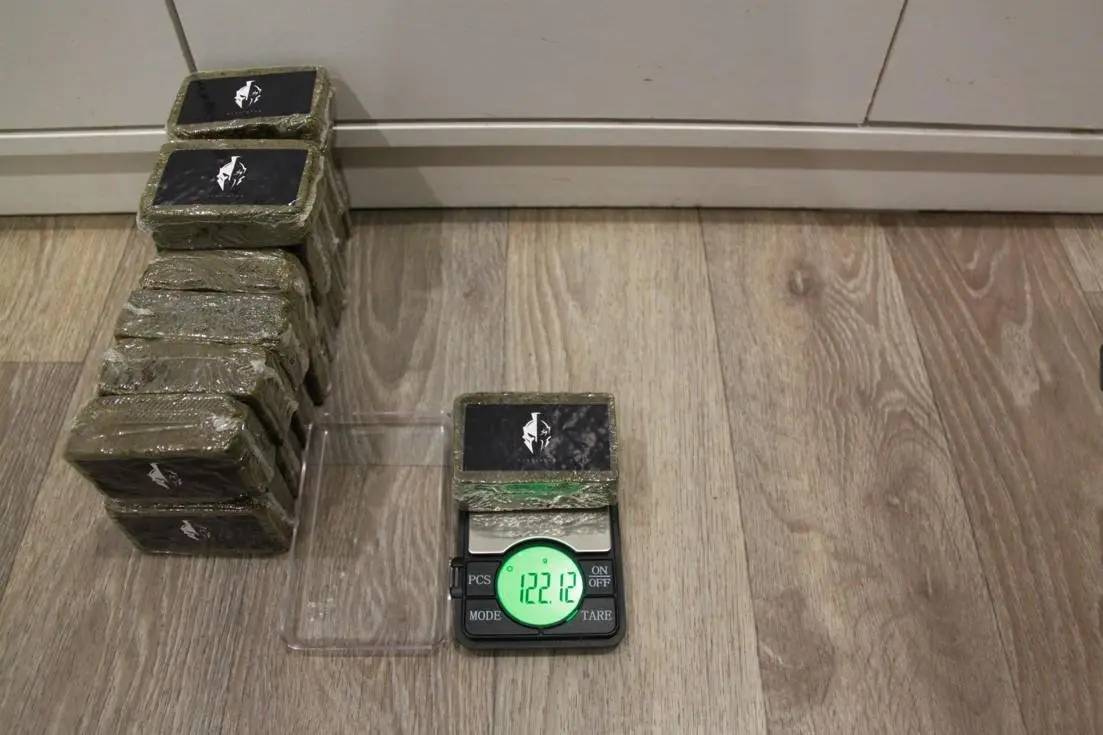
No. Recreational cannabis sales, possession, use, and distribution are prohibited in Busan and throughout South Korea. The Narcotics Control Act also restricts importing, exporting, producing, and arranging cannabis transactions, except for narrow cases approved by the relevant authorities. A website, shop, or private seller offering cannabis does not make the transaction lawful.
There is no lawful retail market for recreational cannabis in Busan. Online adverts, chat groups, and social media accounts may be scams, police traps, or sources of contaminated products. Sending money or arranging a delivery can also create evidence of an attempted purchase. Do not share your passport details, address, or payment information with such sellers.
No. Bringing cannabis flower, hashish, edibles, oils, vape cartridges, or similar products into South Korea may lead to customs detention and a criminal case. Korean Customs lists marijuana and hemp-related products among restricted goods. This can apply to items bought legally in another country, including products carried in luggage or sent by post.
South Korea allows only a narrow, regulated pathway for certain approved medical products. A foreign prescription or a product legally purchased abroad does not automatically permit possession or entry into the country. Anyone who needs a cannabis-based medicine should contact a licensed Korean hospital and check requirements with the Ministry of Food and Drug Safety before travelling with any medication. Customs guidance states that approved procedures may be required for personal treatment medicines.
Decline the offer, do not accept or transport the package, and avoid arranging a meeting for a purchase. If you already have a substance or have been contacted by a seller, do not mail it, throw it into public areas, or carry it across a border. Speak with a licensed lawyer in South Korea for case-specific advice. Travellers may also contact their embassy or consulate, while anyone facing an immediate health danger should call local emergency services.






