For Buy Weed Bucharest searches, choose compliant CBD retailers rather than street sellers or anonymous delivery offers. Romanian Law 143/2000 treats unauthorized possession and supply as criminal offences, with personal-use penalties ranging from fines or 3 months to 2 years for risk drugs.
Legalizeit Romania at Bulevardul Carol I 42 is a verifiable starting point for CBD oils and smoking accessories; check product labeling, cannabinoid content, invoice details, and age rules before paying. This guide focuses on lawful products, safer purchasing checks, and practical red flags for visitors.
Do not carry cannabis, CBD oils, edibles, or vape cartridges across Romania’s border. Under Law no. 143/2000, cannabis is treated as a “risk drug”; bringing it into Romania without authorization can lead to 5–15 years’ imprisonment. Romanian courts may consider the offence complete when an aircraft crosses the state border, before customs inspection. The U.S. Department of State also warns that cannabis, CBD products, and derivatives may not be imported.
For residents and visitors, possession or acquisition for personal consumption remains a criminal offence. Article 4 provides three months to two years in prison or a fine for risk drugs. The rule applies regardless of nationality, residence permit, quantity, or whether the substance was obtained in another European country. Consumption in a rented apartment, hotel, festival area, or private party does not create a legal exception. ConductRomanian legal exposure
| Personal possession or acquisition | 3 months–2 years or fine |
| Import or export | 5–15 years |
| Providing a venue for illicit consumption | 2–7 years |
| Unauthorized cultivation | Personal-use offence; penalties depend on classification and facts |
The case of American rapper Wiz Khalifa, sentenced by the Constanța Court of Appeal to nine months for possession, shows that foreign status offers no shield. Medical access is tightly regulated under Law no. 339/2005, and a foreign prescription or product label should not be treated as automatic permission. Travelers should leave all cannabis-related products at home and consult a Romanian lawyer before discussing a police case.
Patients in Romania should first confirm that the product appears in the ANMDMR Nomenclator and has a valid marketing authorisation. Law No. 339/2005 permits controlled substances only as pharmaceutical preparations, prescribed by a licensed physician and dispensed in a defined quantity. Plant material, unlabelled oils, extracts from informal sellers, and personal cultivation do not meet this requirement. Law No. 58/2025 approved Government Ordinance No. 42/2024, reinforcing the prescription-based framework.
Eligibility depends on the diagnosis, prior treatment history, age, contraindications, and the authorised indication of the specific medicine. For example, the EMA describes Sativex as an oromucosal spray for adults with moderate-to-severe multiple-sclerosis spasticity who failed to respond adequately to another anti-spasticity treatment and showed clinically significant improvement during an initial trial. A neurologist should document muscle stiffness, functional limitations, previous medicines, and treatment response before considering such therapy.
A patient consultation should include a verified diagnosis, current medication list, allergy history, liver or psychiatric conditions, pregnancy status where relevant, and consent to monitoring. The prescriber should specify the active substance, strength, dosage, duration, and dispensing instructions. The pharmacy may request the original prescription and identification documents because controlled medicines cannot be released without valid paperwork under Romanian law.
Before travelling with prescribed medicine, carry the original packaging, prescription, medical letter, and proof of quantity. Confirm requirements with the Romanian Ministry of Health, ANMDMR, and the destination country’s authority, since cross-border possession rules can differ from domestic prescribing rules.
Use the Romanian Ministry of Health’s Register of Online Pharmacies before sharing documents, payment details, or medical information. A legitimate website should display the pharmacy’s legal name, physical address, authorization number, company identification data, pharmacist contact, and a link to the official register. Entries such as ACONITUM SRL include authorization and locality fields; an unlisted seller should not be treated as a pharmacy.
Check the product separately through the ANMDMR Nomenclator of Human Medicines, which lists the trade name, active substance, pharmaceutical form, ATC code, CIM code, and marketing-authorisation holder. A product promoted only through Telegram, Instagram, or a private chat, without a Romanian authorisation record or verified manufacturer, is a warning sign.
Romanian controlled medicinal products require a valid medical prescription. Law 339/2005, as amended by Ordinance 42/2024, states that narcotic and psychotropic preparations may be used medically only under prescription. Law 143/2000 also prohibits consumption of controlled substances without one. A genuine provider will request the prescription through a documented pharmacy process, retain or record it where required, issue a fiscal receipt, and provide sealed packaging with batch number, expiry date, leaflet, and Romanian labelling.
Do not approach street sellers around Piața Unirii, Centrul Vechi, or Gara de Nord. In Romania, Law no. 143/2000 treats cannabis as a “risk drug,” and Article 2 covers offering, selling, purchasing, transporting, and possessing it without authorization. The stated penalty is 2–7 years of imprisonment, together with restrictions on certain rights. The law does not create a safe exception for tourists, small quantities, or first-time buyers.
Searching online for Buy Weed Bucharest can also expose a visitor to criminal investigations, scams, and surveillance by sellers who may operate near nightlife areas such as Lipscani. A transaction can involve counterfeit cannabis, synthetic substances, stolen payment details, or police evidence connected to a larger trafficking case. Romanian Police and DIICOT regularly announce investigations involving alleged sales and distribution, so a casual meeting may create a far greater problem than the buyer expects.
Carrying the substance across Romania adds another layer of danger. Article 3 of Law no. 143/2000 provides 3–10 years in prison for unauthorized import or export of risk drugs. That can affect airport transfers, border crossings, parcels, and travel to nearby countries such as Bulgaria or Hungary. Confiscation, questioning, device checks, detention, and missed flights may follow before any court decision.
If approached by a seller, leave the area without handling a package, do not transfer money, and contact a Romanian criminal-defense lawyer if police become involved. Ask for an interpreter before signing statements, and request consular assistance through your embassy if you are a foreign national.
Choose products by verified cannabinoid content, not by names such as “strong,” “premium,” or “full spectrum.” THC (delta-9-tetrahydrocannabinol) is the compound linked with intoxication, impaired reaction time, and possible anxiety. CBD (cannabidiol) is not intoxicating at ordinary amounts, but it can interact with medicines, including sedatives and anticoagulants. A label showing “20% CBD” does not prove purity, legal status, or medical benefit.
For Romanian retail checks, inspect the exact THC value, CBD quantity per serving, total package amount, ingredient list, batch number, expiry date, producer address, and independent laboratory report. A certificate should identify pesticides, solvents, heavy metals, microbial contamination, and cannabinoid results. Claims that a product treats pain, insomnia, epilepsy, or anxiety should raise concern: EU food rules do not permit disease-treatment claims without medicine authorization. Label termMeaningPractical reading
| THC 0.2% | Low listed THC concentration | Check whether the figure covers delta-9-THC only or total THC |
| CBD 10% | CBD concentration, often by weight | Convert it into milligrams per serving |
| Full spectrum | Multiple hemp compounds remain | Ask for the laboratory report and THC result |
| Broad spectrum | Several compounds, usually marketed without THC | “THC-free” needs laboratory evidence |
EU rules set specific THC limits for hemp-derived foods, including 3 mg/kg for hemp seeds and 7.5 mg/kg for hemp-seed oil. These figures do not authorize intoxicating cannabis products. Romanian Law 143/2000 regulates risk drugs, so a label alone cannot make high-THC material lawful.
Reject any cannabis product lacking a sealed package, batch number, producer details, ingredient list, or independent laboratory report. A QR code alone proves nothing: scan it and check whether it leads to a verifiable certificate showing cannabinoid levels, pesticide screening, mold testing, heavy-metal analysis, and the laboratory’s contact details. Generic labels such as “premium,” “organic,” or “THC-rich” are marketing claims, not proof of quality.
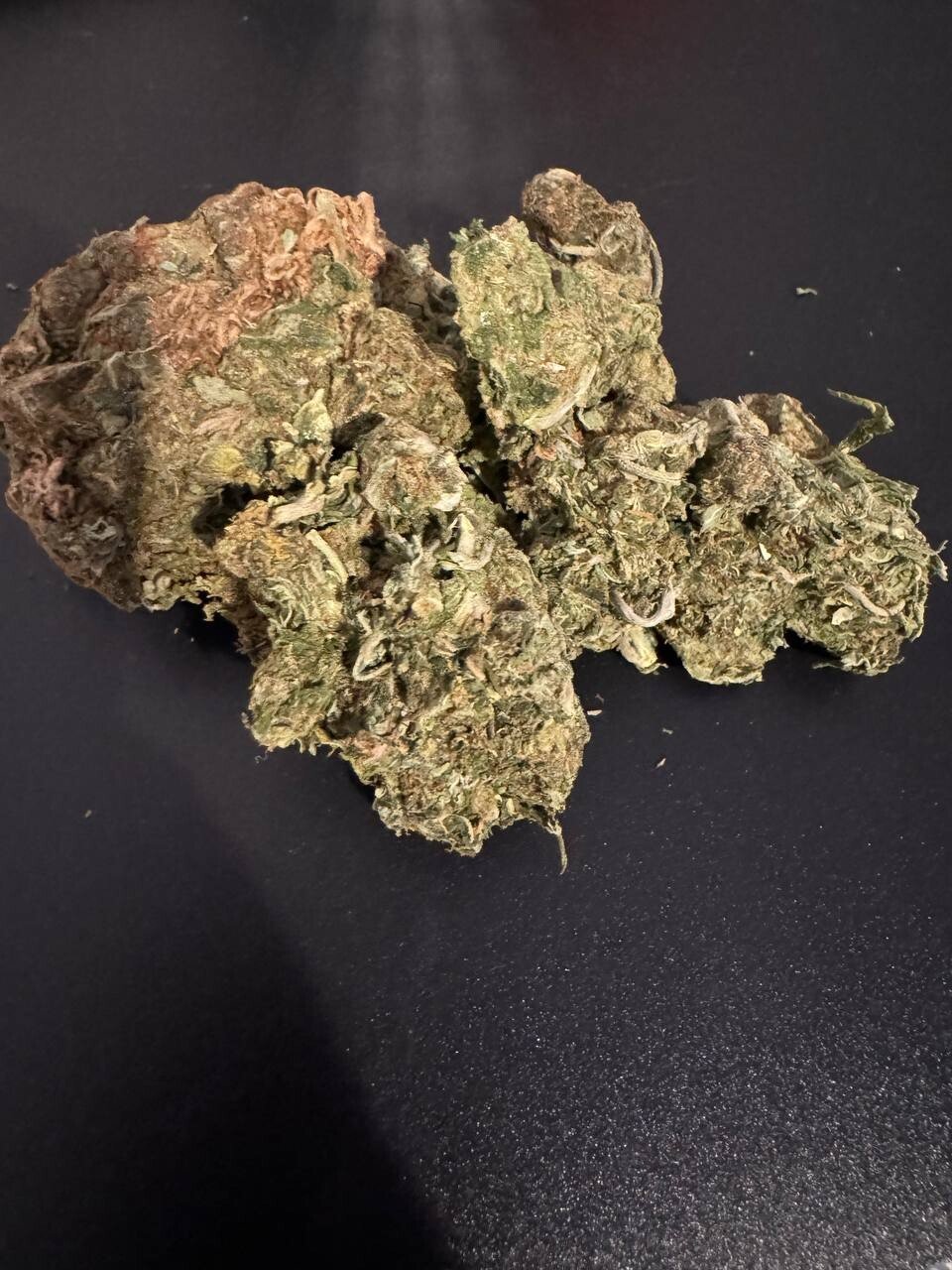
Inspect the material under bright light. Gray or white fuzz, web-like strands, damp clumps, ammonia-like odor, solvent notes, or unusually dusty trichomes can indicate mold, chemical treatment, or poor storage. Avoid oils, vapes, gummies, and “HHC” or “Delta-8” products with unclear formulas, since undeclared synthetic cannabinoids may cause stronger or unpredictable reactions. Do not rely on taste, color, or a rapid reagent kit such as EZ Test to confirm safety; these checks cannot detect every pesticide, fungus, or adulterant. Warning signPossible concernSafer response
| No batch number or lab report | Unknown origin or contents | Do not use it |
| Fuzzy growth or musty smell | Mold contamination | Seal, isolate, and discard |
| Harsh chemical taste or throat burn | Solvent or additive residue | Stop immediately |
| Extreme sedation, panic, vomiting, or chest pain | Unexpected potency or adulteration | Call 112; report the product |
For suspected poisoning in Romania, contact 112 or seek care at Floreasca Emergency Hospital. Preserve the packaging and product without handling it unnecessarily; details may assist the Romanian Police, the National Institute of Legal Medicine “Mina Minovici,” or the National Agency Against Drugs in identifying a dangerous batch.
Do not smoke or vaporize cannabis in streets, parks, terraces, clubs, hotels, transport hubs, or event venues. Romanian law treats cannabis as a controlled “risk drug,” and Law No. 143/2000 prohibits unauthorized acquisition and possession, including possession for personal use. Article 4 allows criminal penalties for personal-use possession, with the exact sentence depending on the substance and case details.
Consumption itself is not described as a separate offence in the same way as possession, yet using a product in public normally creates a possession issue and can trigger police intervention. The Romanian Police and the Local Police of the Municipality of Bucharest may check identification, confiscate suspected substances, and refer the case for investigation. A private apartment is not a legal safe zone for supplying drugs: allowing a public-access venue or residence to be used for illicit consumption can carry 2–7 years of imprisonment under Article 5. LocationPractical ruleLikely consequence
| Centrul Vechi | No street smoking or possession | Police check and criminal investigation |
| Herăstrău Park | No consumption in public areas | Removal, identification, possible seizure |
| Clubs and terraces | Venue staff can refuse entry or call police | Expulsion and legal scrutiny |
| Arena Națională | THC vaping devices are prohibited at events | Confiscation and referral to authorities |
Arena Națională event rules specifically ban vaping devices containing cannabis, THC, or other controlled substances; venue checks may take place, and violations can be handed to authorities. The safest practice is to carry no cannabis, avoid discussing supply with strangers, and keep prescribed medicines in original packaging with supporting documents.
Do not place cannabis, hashish, edibles, vape cartridges, or cannabis-based oils in checked or cabin luggage. At Henri Coandă International Airport, customs officers and the Romanian Border Police may inspect baggage, question passengers, seize prohibited substances, and refer cases for criminal investigation. Romanian Customs identifies drugs as a specific enforcement priority, while Law No. 86/2006 treats unauthorized entry of controlled substances as a serious customs offence.
Schengen travel does not create permission to carry controlled substances. Since January 1, 2025, Romania has had no routine checks at internal land borders with other Schengen states, but checks can still occur, and external borders remain subject to customs and police controls. A flight from Amsterdam, Vienna, or Milan to Otopeni may still involve airport security, customs screening, or police inspection. Border authorities reported cannabis seizures in Romania during 2024 and 2025, showing that enforcement remains active. SituationRecommended actionPossible consequence
| Unused cannabis in luggage | Remove it before travel; never conceal it | Seizure, questioning, criminal referral |
| Medical cannabis or cannabinoid medicine | Check Romanian and destination-country rules before departure; carry only approved documentation | Confiscation if authorization is inadequate |
| Border crossing by car, bus, or train | Do not transport cannabis for yourself or another person | Customs investigation and prosecution |
If a traveler discovers prohibited material before security screening, the safest course is to leave it behind and contact the airline or Romanian Customs for official guidance. Do not transfer it to another passenger, mail it, hide it in food, or claim that a dispensary receipt makes cross-border carriage lawful. Laws of both the departure and arrival countries apply, including transit countries.
Stay calm, keep your hands visible, and speak in short, polite sentences. In central districts such as Lipscani, Dorobanți, or near Calea Victoriei, ask the officer to identify the reason for the stop and show your identity document. Romanian Police officers may establish identity under Law No. 218/2002; provide accurate personal details, but do not invent an explanation or argue about the substance.
If an officer asks about a small packet, rolling papers, or a vape cartridge, say: “I choose to remain silent and I want a lawyer.” Do not run, resist, hide objects, delete messages, or consent casually to a search. A bodily search may be conducted where there is reasonable suspicion, and the search should be performed by a person of the same sex. Ask what legal basis is being used and request a written record of seized items.
Possession, transport, or distribution of prohibited substances can trigger proceedings under Law No. 143/2000. Do not rely on packaging claims from brands such as CBD Romania or on a seller’s statement that a product is lawful; ask a Romanian criminal-defense lawyer to verify the substance and documentation. If detained, request notification of a trusted person and legal counsel. At Henri Coandă International Airport, never carry plant material, oils, or edible products across the border: Romanian law treats entry with prohibited substances as import, regardless of whether customs has completed a physical check.
Call 112 only for an immediate safety threat, medical emergency, or suspected misconduct requiring urgent assistance. Note the officers’ names, badge numbers, vehicle registration, time, and location, such as Piața Unirii Metro Station. Do not sign a statement you cannot read; request an interpreter and legal review first.
No. Bucharest does not have a legal recreational cannabis retail market. Buying, possessing, selling, or carrying cannabis outside an authorized medical or scientific framework can lead to criminal proceedings under Romanian drug laws. Visitors should not rely on street offers, social media adverts, or delivery listings that claim to provide “legal” weed.
Romanian law provides controlled rules for plants and substances used for medical or scientific purposes, but this does not mean that ordinary cannabis can be purchased from a dispensary without medical and regulatory approval. Anyone seeking treatment should speak with a licensed doctor and ask a registered pharmacy or health authority about products that may be prescribed and supplied lawfully. Do not treat a foreign prescription as automatic permission to buy or carry cannabis in Romania.
CBD products should be checked carefully before purchase. A label saying “CBD” does not prove that the product is permitted, free from controlled THC, or suitable for travel. Check the ingredients, THC declaration, Romanian or EU compliance information, and the seller’s business details. If the product is intended for medical use, ask a pharmacist or doctor rather than relying on a shop assistant or an online advert.
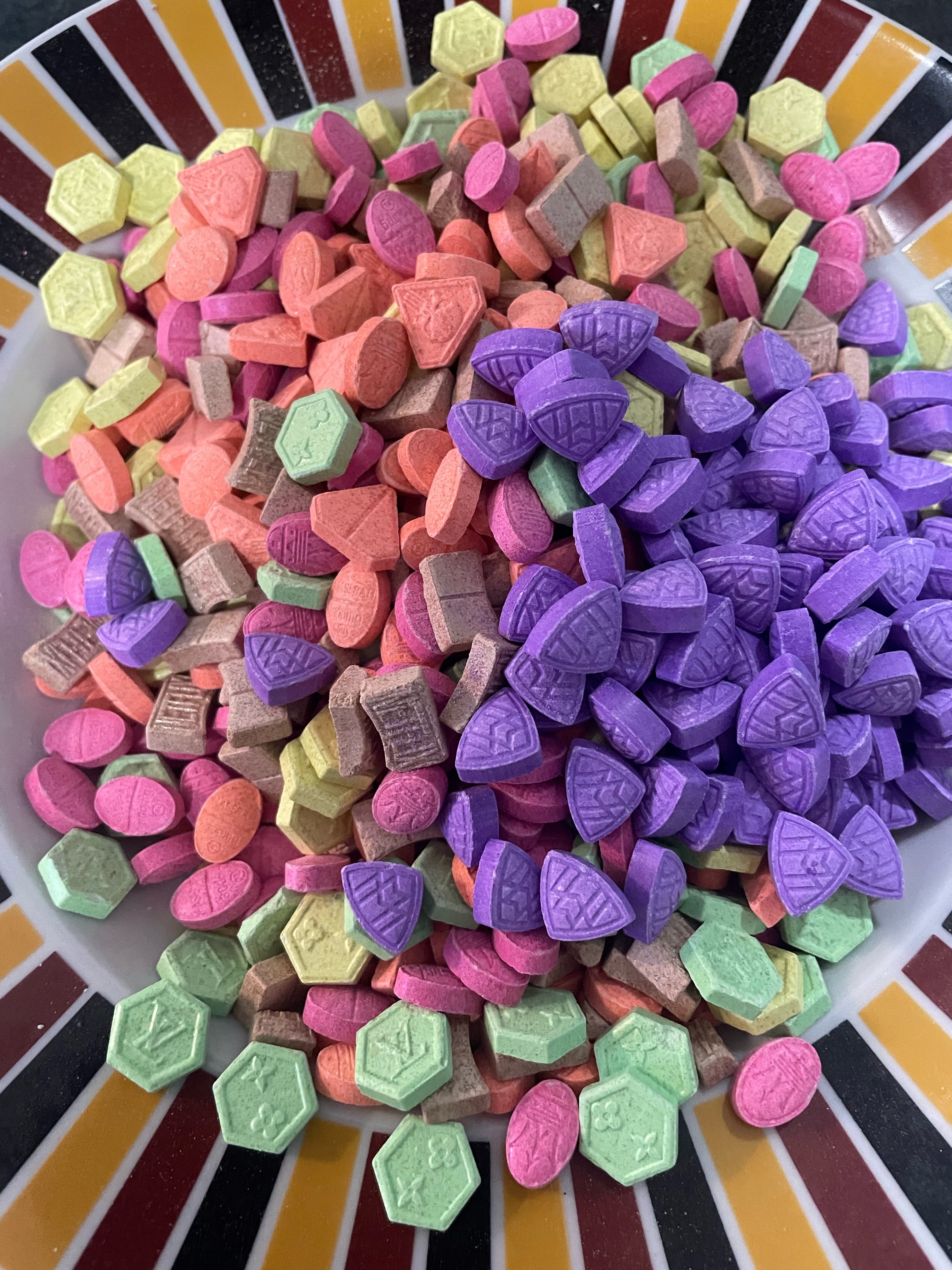
The product may contain an unknown substance, have a different strength than advertised, or be connected with theft, extortion, or police operations. Online sellers may also request payment before sending anything and then disappear. Meeting a stranger to obtain an illegal substance can create both health and personal-safety risks. The safest choice is to refuse the offer, avoid sending identification or money, and contact the police if someone threatens or pressures you.
Do not bring cannabis, cannabis resin, or cannabis products across the Romanian border unless you have confirmed written authorization for a specific lawfully prescribed medicine. Border rules apply even when the product was purchased legally in another country. Romanian legislation treats the introduction of controlled drugs into the country as a serious offense, so travelers should check with Romanian customs or a qualified lawyer before carrying any cannabis-related medicine.
No. Recreational cannabis is not legally sold in Bucharest. Romania’s Law no. 143/2000 regulates drug-related offences, including unauthorized possession, distribution, import, and sale. A website or social media account offering cannabis does not make the transaction lawful, and buyers may face criminal consequences.
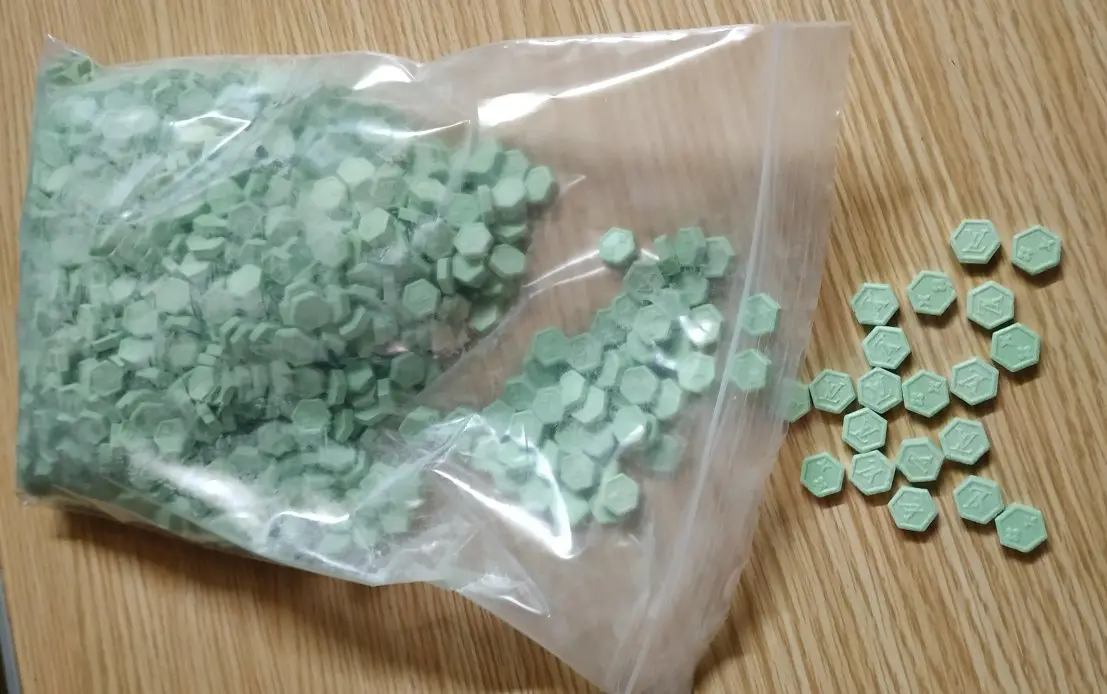
There is no lawful recreational cannabis market for tourists in Bucharest. Buying from street sellers, private contacts, messaging groups, or delivery services carries risks such as arrest, scams, contaminated products, theft, and exposure to unknown substances. Tourists should not carry cannabis across the Romanian border, since bringing controlled drugs into the country can create a separate offence.
Bucharest does not have a regulated recreational cannabis café or dispensary system comparable to places where adult-use cannabis sales are permitted. Businesses using terms such as “weed shop,” “dispensary,” or “delivery” may be selling products outside the permitted framework. Before buying any cannabis-related item, check its ingredients, seller information, and Romanian regulatory status. Do not assume that a professional-looking website proves that a product is approved.
CBD products are not automatically legal simply because they contain little or no intoxicating THC. Their status can depend on the plant material, THC level, product type, labeling, intended use, and applicable Romanian and European rules. A product advertised as CBD may still contain restricted substances or fail to meet labeling requirements. Buyers should check current guidance from Romanian authorities and avoid products with unclear ingredients or no verifiable manufacturer.
Do not accept or consume an unknown substance, and do not agree to transport it for another person. If you feel confused, faint, have chest pain, difficulty breathing, seizures, severe anxiety, or lose consciousness, call 112 in Romania. Tell medical staff what was taken, if known, and keep the packaging or messages available. If there is an immediate safety concern involving another person, move to a public place and contact the police.
No. Romania does not have a legal recreational cannabis retail market, so buying weed from street sellers, social media accounts, websites, or delivery services can expose you to criminal charges. Romanian Law No. 143/2000 regulates the possession, purchase, sale, transport, and import of controlled drugs, including cannabis. Online claims about “legal delivery” should not be treated as proof that a seller is licensed.
Speak with a licensed doctor in Romania and ask which treatments are legally available for your condition. Do not buy products from informal sellers, carry cannabis across the Romanian border, or assume that a prescription from another country permits possession in Romania. If you already have a substance and are worried about possible legal or health problems, contact a Romanian lawyer or medical service for guidance. Call 112 if someone has severe confusion, chest pain, breathing problems, or loses consciousness.






