Buy Weed Bali is not a legal option: cannabis possession, use, sale, and importation are prohibited under Indonesia’s Narcotics Law No. 35/2009. Travelers arriving through Ngurah Rai International Airport in Denpasar should avoid informal sellers, online listings, and carrying products from abroad.
Polda Bali reported a seizure of 10 grams of cannabis on August 13, 2026, while BNN Indonesia has handled larger hashish cases in the province. This guide explains the legal risks, airport precautions, and safer alternatives for visitors seeking relaxation or medical support through licensed providers such as Siloam Hospitals.
Do not purchase, carry, or consume cannabis in Indonesia. Under Indonesia’s Narcotics Law No. 35/2009, possession can bring 4–12 years in prison and fines of Rp800 million–Rp8 billion. Larger quantities may lead to life imprisonment, while trafficking charges can carry 5–15 years or capital punishment. These rules apply to foreign visitors at Ngurah Rai International Airport, Denpasar, hotels, villas, and private residences.
The phrase Buy Weed Bali may appear in online adverts, Telegram groups, or street offers, but such sellers provide no legal protection or product control. Police operations can involve undercover purchases, bag searches, urine testing, and immigration detention. Bringing cannabis from Thailand, the United States, or another country across an Indonesian border remains a criminal offence; a medical prescription does not automatically authorize importation. ChoiceLegal positionRisk level

| Cannabis possession | Criminal offence | Very high |
| Unlicensed online seller | No consumer protection | Very high |
| Alcohol from a licensed venue | Permitted under venue rules | Lower, but impairment remains |
| Prescription medicine | Check Indonesian embassy rules first | Manageable with documents |
Choose licensed venues in Seminyak, Ubud, or Sanur, keep your passport secure, and avoid unknown substances offered by drivers, promoters, or beach vendors. For prescribed medication, carry the original packaging, prescription, doctor’s letter, dosage details, and only the amount needed for the stay; confirm requirements with the Indonesian Embassy before departure. Never drive a scooter after drinking, and contact local police or your embassy if threatened or extorted.
Do not carry cannabis, CBD oil, THC products, hemp cosmetics, hash, edibles, or vape cartridges through Ngurah Rai International Airport. Indonesia treats cannabis as a Class I narcotic under Law No. 35 of 2009 on Narcotics. The rule covers possession, use, cultivation, sale, importation, and shipment. A prescription issued in the United States, Australia, or Europe does not create an exemption under Indonesian law.
Police operations target tourist districts, nightlife venues, villas, and delivery networks around Denpasar, Canggu, Seminyak, Kuta, and Ubud. The Indonesian National Police and the National Narcotics Board, known as BNN, may investigate small quantities as well as commercial activity. Possession or use can lead to arrest, detention, fines, and lengthy imprisonment; trafficking charges may carry life imprisonment or the death penalty. Indonesian prosecutors have applied these rules to foreign visitors, including cases linked to hashish purchased through Telegram.
The legal risk is not limited to sellers. Schapelle Corby’s 2004 arrest at Ngurah Rai Airport, the Bali Nine prosecutions, and later cases involving foreign nationals show how customs searches and police intelligence can lead to major charges. A traveler questioned at Denpasar District Court may face proceedings under Indonesian law, while consular staff cannot cancel an arrest or reduce a sentence. Products labelled “CBD,” “medical,” “hemp,” or “THC-free” should remain outside Indonesia unless Indonesian authorities provide written confirmation of legality.
Do not carry, consume, cultivate, or transfer cannabis in Denpasar, Kuta, or anywhere else in Indonesia. Law No. 35 of 2009 classifies cannabis as a Class I narcotic, and the same rules apply to foreign visitors, including passengers arriving through Ngurah Rai International Airport. Cannabis flower, hashish, edibles, CBD, and THC products remain illegal, including products supported by a foreign medical prescription.
Personal consumption may lead to prosecution under Article 127, with a maximum sentence of 4 years for Class I narcotics. A person treated as a victim of abuse may be ordered to undergo medical and social rehabilitation, but this outcome is not automatic. Possession charges under Articles 111 and 112 can apply separately, producing far heavier prison exposure and fines. ConductPossible penalty
| Personal use | Up to 4 years’ imprisonment; rehabilitation may be ordered |
| Possession of plant-form narcotics | 4–12 years and IDR 800 million–8 billion fine |
| Possession above 1 kg or 5 plants | 5–20 years or life imprisonment; fine increased by one-third |
| Selling, buying, brokering, or handing over | 5–20 years or life imprisonment and IDR 1–10 billion fine |
| Large-scale dealing | Death penalty, life imprisonment, or 6–20 years; fine increased by one-third |
Article 114 covers offering, selling, buying, brokering, exchanging, or handing over Class I narcotics. Importing, exporting, producing, or distributing can trigger Article 113, where quantities above 1 kilogram or five plants may expose a defendant to capital punishment. Police and the BNN may investigate both residents and tourists; a conviction can also result in detention, deportation, and a permanent immigration record.
Do not purchase, carry, or consume cannabis products in Indonesia, including around Denpasar, Canggu, Kuta, and Seminyak. Indonesian Narcotics Law No. 35/2009 treats possession, use, distribution, and importation as criminal conduct. The rule covers dried cannabis, hash, THC vapes, CBD oils, hemp products, creams, and edibles, including items sold as medicine. A prescription issued in the United States, Australia, or the United Kingdom does not create an exemption under Indonesian law.
Tourist buyers face added exposure because police operations frequently focus on foreign visitors, nightlife venues, villas, and beach districts. A person may be arrested after accepting a sample, sharing a product, or carrying an item supplied by another individual. Authorities may require urine or blood testing; a positive result can lead to arrest, while baggage screening at Ngurah Rai International Airport can identify prohibited substances before departure. Foreign status offers no immunity, and consular staff cannot cancel an Indonesian prosecution.
Penalties can include imprisonment, fines from IDR 800 million to IDR 8 billion, deportation, and, for serious trafficking cases, life imprisonment or capital punishment. Indonesian tourism guidance identifies prison terms of 4–12 years for possession, with higher exposure linked to quantity and distribution allegations. A small package can therefore create a major legal case if investigators claim intent to supply.
If detained, request an interpreter, contact your embassy or consulate, and speak with an Indonesian criminal lawyer before signing statements. Do not accept packages for friends, store another guest’s luggage, or rely on labels such as “CBD,” “medical,” or “hemp.”
Do not respond to sellers approaching you near Kuta Beach, Seminyak, Canggu, or Jalan Legian. Many claim to represent a “private club,” a hotel contact, or a dispensary, then request a deposit through WhatsApp before disappearing. Others deliver oregano, tea leaves, or low-value herbal products in sealed bags. Cannabis, CBD, THC, hash, and edible products remain illegal under Indonesian law, including for medical use; penalties can include long prison terms, heavy fines, and, for serious trafficking cases, the death penalty.
A more dangerous scheme involves staged possession. A stranger may place a packet in a visitor’s motorcycle storage box, villa, backpack, or luggage, then demand cash to avoid reporting it. Fake officers may show copied badges, threaten detention, and direct payment to a personal bank account. At Ngurah Rai International Airport, never hand over cash to anyone claiming to be customs, immigration, or Polri staff without verification. Contact airport security, the official police desk, your embassy, or a licensed lawyer instead. Scam patternWarning signSafe response
| Advance-payment seller | WhatsApp-only contact; urgent deposit | Stop communication; preserve messages |
| Fake officer | Cash demand; no verifiable case number | Ask for identification and call Polri |
| Substitution fraud | Sealed package; no lawful receipt | Do not open, carry, or accept it |
| Planting attempt | Unexpected packet in luggage or scooter | Move to a public area and request witnesses |
Keep passport scans, booking records, payment receipts, and chat logs. Do not transport a package for another person, accept “free samples,” or cross the airport with suspicious goods. The Australian Smartraveller advisory specifically lists medicinal cannabis, oils, creams, hemp products, CBD, THC, hash, and edibles as prohibited.
Do not carry cannabis, THC edibles, vape cartridges, oils, or residue through I Gusti Ngurah Rai International Airport. Searching for Buy Weed Bali does not change Indonesian law: narcotics are prohibited, and foreign rules from Canada, Thailand, or the Netherlands have no legal force at Indonesian borders. Customs officers may inspect luggage, use X-ray screening, conduct laboratory tests, and refer suspected cases to the police. Indonesia’s customs authority lists narcotics among goods subject to physical inspection, while passengers must submit an accurate electronic customs declaration through All Indonesia.
A recent Ngurah Rai case shows the exposure clearly. On September 11, 2026, Bea Cukai Ngurah Rai reported the seizure of more than 10 kilograms of cannabis concealed as food souvenirs. Two Indian nationals had arrived from Thailand via Singapore; the material was identified as Delta-9-tetrahydrocannabinol and handed to the airport police narcotics unit.
Border consequences can include questioning, detention, seizure of passports and luggage, criminal investigation, court proceedings, imprisonment, deportation, and a long-term or permanent entry ban. A foreign national may also lose a visa or residence permission after conviction. In November 2025, Immigration Semarang deported a Kenyan national after completion of a narcotics sentence under Law No. 35 of 2009.
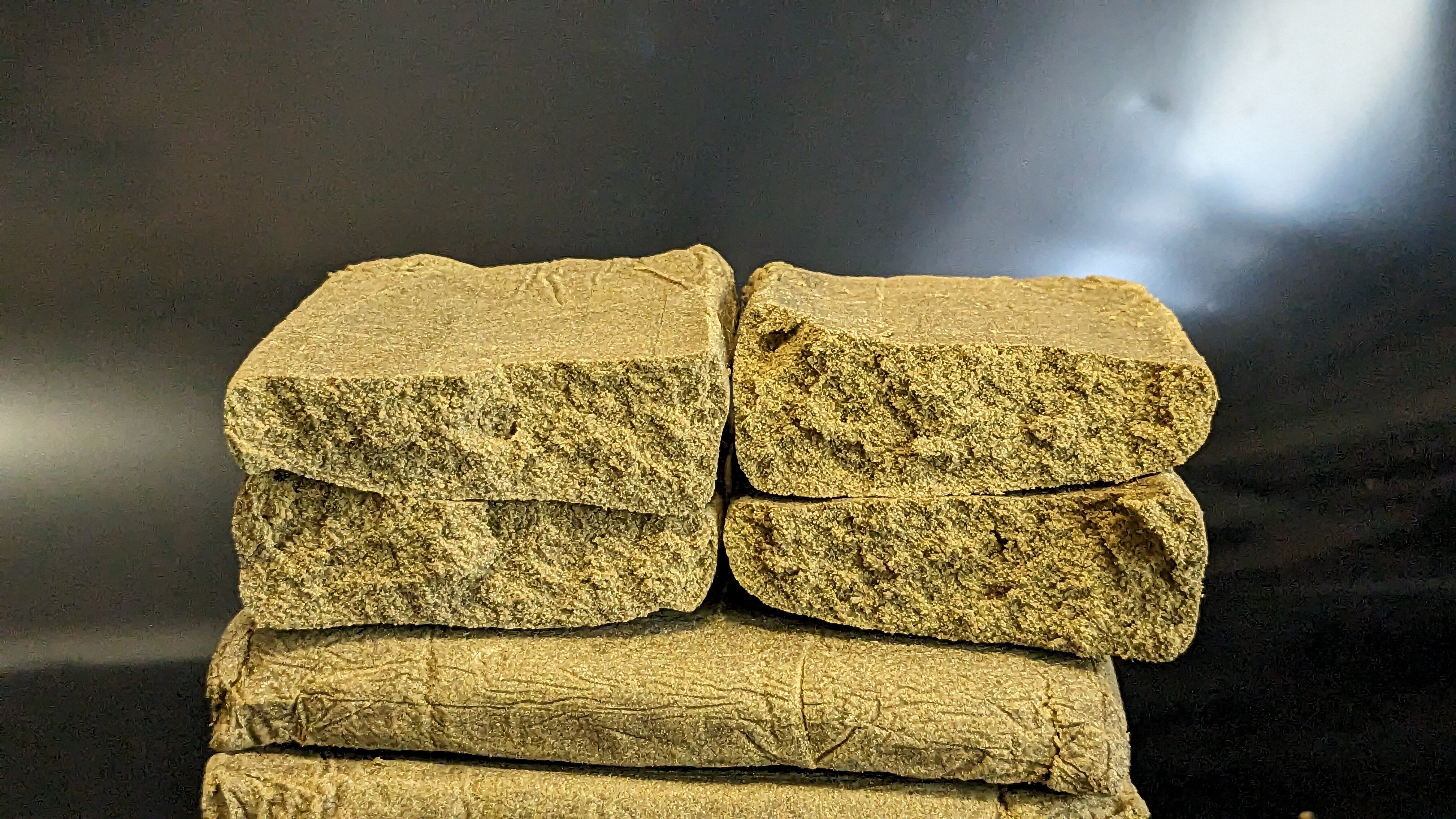
Do not carry medical cannabis, CBD oil, THC capsules, vape cartridges, or cannabis-based food into Indonesia, regardless of a foreign prescription, doctor’s letter, or legal status in Canada, the United States, Thailand, or Germany. Indonesian Customs treats marijuana and related narcotic substances as prohibited imports. This rule applies at I Gusti Ngurah Rai International Airport, Jakarta, and domestic transit points.
Products such as Sativex, Epidiolex, imported CBD tinctures, and cannabis extracts require written clearance before travel; ordinary prescription paperwork does not create automatic permission. Travelers carrying controlled medicine should contact the Indonesian embassy or consulate before departure, verify the active ingredients, keep the product in original packaging, and carry a physician’s letter in English or Bahasa Indonesia. The Indonesian Ministry of Foreign Affairs advises that narcotic medicines must be declared through the All Indonesia system and must not exceed the quantity needed for the visit.
Possession of prohibited narcotics can lead to 4–12 years in prison and fines ranging from Rp800 million to Rp8 billion. Larger quantities may trigger life imprisonment, while trafficking allegations can carry a death sentence. Indonesian National Narcotics Board officers, Indonesian Customs, police, and immigration authorities cooperate at airports and ports, so a transit itinerary through Singapore or Kuala Lumpur does not remove the risk.
Do not rely on dispensary claims, hotel advice, online sellers, or a foreign medical-card program. If treatment is needed, ask an Indonesian hospital or licensed physician about lawful alternatives after arrival. Keep copies of prescriptions for non-narcotic medicines, but exclude cannabis products from checked and cabin baggage unless Indonesian authorities have issued written authorization before departure.
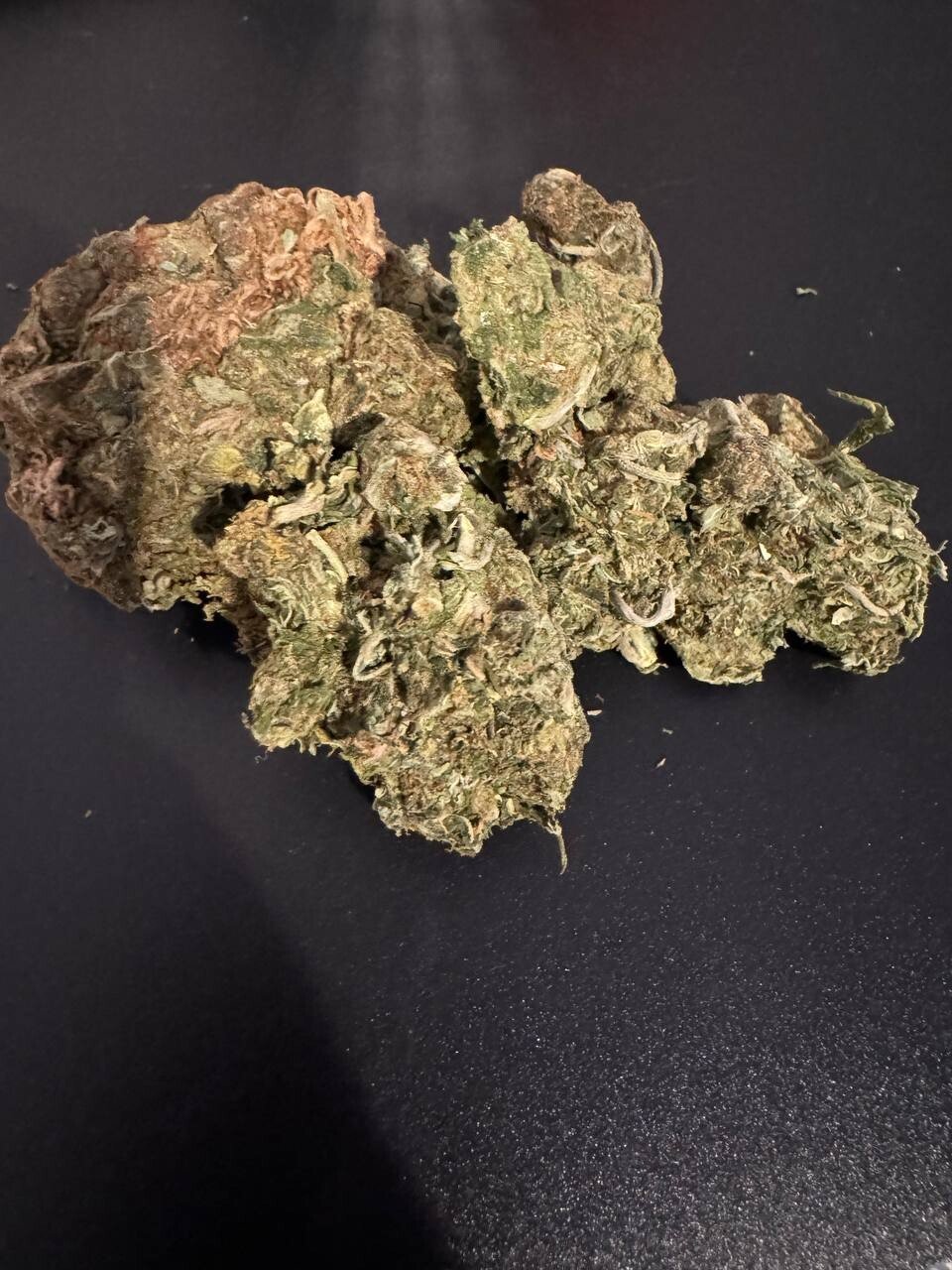
Carry prescription medicine in its original pharmacy packaging, inside hand luggage, with a doctor’s letter and a copy of the prescription. The patient’s name must match the passport, while the letter should state the generic name, strength, daily dose, treatment purpose, and confirmation of personal use. Declare all prescription medicines through the All Indonesia arrival system and show the documents to officers from the Directorate General of Customs and Excise (DJBC) if requested.
For ordinary solid medicines, up to 30 tablets, capsules, or pills per product may enter without a prescription. Larger quantities require a prescription and cannot exceed a 90-day supply. Creams, liquids, and aerosols are limited to three units per product without medical documentation; with a prescription, the limit is generally 90 days. These rules come from Indonesia’s Food and Drug Authority, BPOM Regulation No. 28 of 2023. Medication categoryPassenger baggage ruleMaximum period
| Standard tablets | Prescription required above 30 units | 90 days |
| Liquids, creams, aerosols | Prescription required above 3 units | 90 days |
| Psychotropic medicines | English prescription; foreign nationals only | 60 days |
| Narcotic medicines | Not permitted by BPOM guidance | None |
Psychotropic products may be carried only by foreign nationals, with an English-language prescription and no more than 60 days of treatment. Do not mail these medicines; BPOM allows direct passenger carriage only. Narcotic medicines cannot be imported under BPOM guidance. Products such as Adderall and Vyvanse may create additional risk, while cannabis, THC, and CBD products remain prohibited regardless of a medical prescription. Confirm each active ingredient with BPOM before departure; Indonesian customs makes the final admission decision.
Choose a supervised yoga retreat in Ubud, paired with breathwork, massage, or an Ayurvedic consultation, for a calm, structured reset without intoxicants.
Thermal bathing at Tirta Empul, sound healing, herbal treatments, and guided meditation offer practical ways to support sleep, mobility, and stress control. Select licensed practitioners, confirm treatment ingredients, and avoid unverified supplements. These options provide relaxation while keeping your plans clear, safe, and culturally respectful.
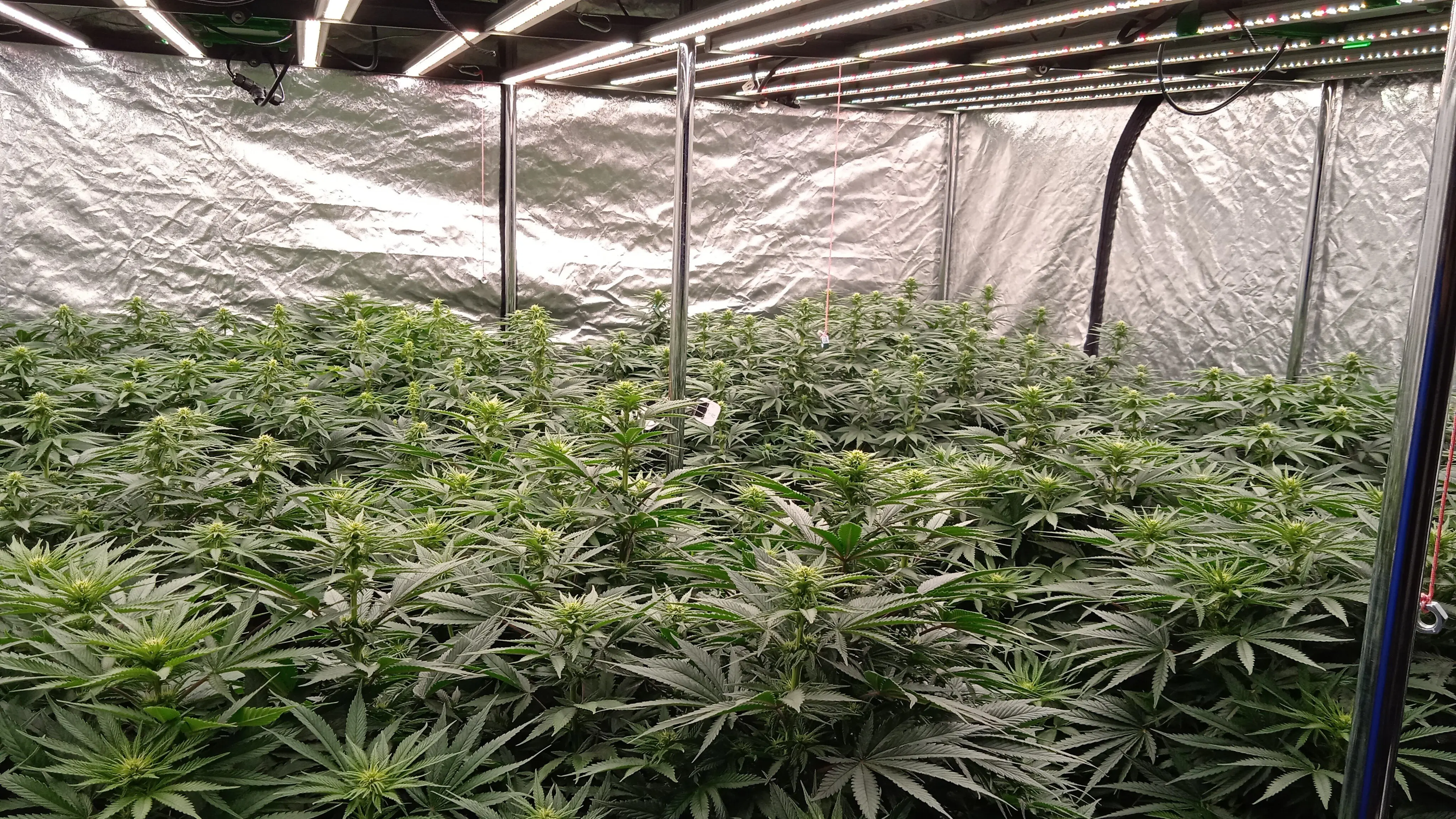
No. Cannabis, marijuana, hash, THC products, CBD products, and edibles are illegal in Bali and throughout Indonesia. There are no licensed recreational cannabis shops for visitors. Buying, possessing, using, or carrying these products may lead to arrest, imprisonment, heavy fines, deportation, or more severe penalties.
Any seller offering cannabis delivery in Bali is operating outside Indonesian law. Online advertisements, private messages, hotel delivery offers, and social media accounts do not make a transaction lawful. Such offers may also involve scams, police operations, contaminated products, or theft. Do not place an order, share passport details, or agree to meet a seller.
Visitors should not bring or buy CBD in Bali. Official travel guidance states that products containing CBD or THC are illegal in Indonesia, and a prescription from another country does not make them lawful there. This can include oils, gummies, capsules, creams, vape liquids, and other products labelled as hemp or cannabis-based.
A small quantity does not guarantee a minor response. Indonesian authorities may treat possession or use as a serious drug offence, with possible detention, court proceedings, prison, fines, and deportation. Drug trafficking offences can carry extremely severe penalties, including life imprisonment or the death penalty. The exact result depends on the facts of the case, the substance, and the court.
Speak with your doctor before travelling and ask about treatment options that comply with Indonesian law. Do not assume that a prescription, medical card, CBD label, or sealed package will protect you at the border. For any medicine, check Indonesian entry rules in advance, keep it in its original packaging, carry supporting documents, and contact the Indonesian embassy or a qualified local lawyer if you need a definitive answer.
No. Cannabis, cannabis products, and other narcotic substances are prohibited in Indonesia, including Bali. Buying, possessing, using, selling, or bringing cannabis into the country can lead to arrest, imprisonment, fines, deportation, and other serious penalties. A product described as “local,” “natural,” or “for tourists” is not automatically permitted.
Tourists should not bring cannabis, THC products, edibles, vape cartridges, or CBD oil to Bali unless they have received written confirmation from the relevant Indonesian authorities. Rules that may apply to prescription medicines in other countries do not create an automatic exception for cannabis-based products. Before travelling, check Indonesian embassy guidance and ask the airline about declaring any prescribed medication.
Online listings may be scams, attempts to collect payment details, or traps connected with illegal sales. A seller may send a different substance, demand extra money, threaten the buyer, or share personal information with others. The presence of an advertisement does not show that the service is licensed. Do not send money, identification documents, hotel details, or copies of your passport to an unverified seller.
Decline calmly, leave the area, and avoid touching or carrying any package offered to you. Do not agree to store a bag for another person or accept a parcel as a “favor.” If you feel threatened, contact your hotel, local security staff, or the Indonesian police. Travellers should also keep their passports secure and contact their consulate if they are questioned or detained.
Visitors with a medical need should speak with a licensed doctor before travelling and bring only medicines that Indonesian authorities permit. Ask for written instructions, the original pharmacy packaging, and supporting medical records. Do not substitute cannabis with products sold informally in Bali, since their contents may be unknown and possession can still create legal problems. For current requirements, consult an Indonesian diplomatic mission or the official Indonesian narcotics authorities before departure.






