Buy Weed Cancun is not a legal retail option: Mexico has no licensed recreational dispensary market, and informal sales can expose visitors to arrest or counterfeit products. The U.S. Department of State warns that possession or importation–including medical marijuana–can be illegal, while the Guardia Nacional reported a drug seizure at Cancún International Airport in February 2026.
For a safer plan, check COFEPRIS requirements before carrying any prescribed cannabinoid medicine, keep documentation with the original packaging, and never cross the border with cannabis products. Mexico’s Supreme Court decision from June 28, 2021 addressed administrative restrictions on personal use; it did not create a retail system for visitors.
Do not purchase marijuana from street sellers, beach vendors, taxi drivers, or social-media contacts in Cancún. Mexico’s Suprema Corte de Justicia de la Nación removed the absolute prohibition on adult personal use on June 28, 2021, but its ruling did not create licensed recreational shops or authorize commercial sales. COFEPRIS may issue personal-use permits for adults, while importing, selling, supplying, or distributing marijuana remains outside that permission.
Tourists face added exposure because a purchase can involve counterfeit products, theft, extortion, police detention, or an accusation of possession for distribution. The five-gram threshold in Mexico’s General Health Law is not a retail license or a guarantee against arrest. Do not carry flower, vape cartridges, edibles, or oils through Cancún International Airport, across the Belize border, or on an international flight; the U.S. Embassy states that drug possession and importation, including medical marijuana, are illegal in Mexico. OptionRisk levelPractical guidance

| Street purchase | High | Avoid; no reliable testing or legal receipt |
| COFEPRIS personal-use permit | Lower legal risk | Applies to an authorized adult, not tourist retail sales |
| Prescription medicine | Lower | Carry the prescription and original packaging |
| Non-intoxicating wellness products | Variable | Check THC content and Mexican labeling before purchase |
Safer choices include licensed pharmacies, hotel wellness services, snorkeling near Isla Mujeres, museums in Zona Hotelera, and organized visits to Xcaret or Museo Maya de Cancún. Avoid public consumption at Playa Delfines, hotel pools, and nightlife venues; never drive, rent a scooter, or operate water equipment after using any intoxicant. Keep passports secure, use official taxis or hotel-arranged transport, and contact local authorities rather than negotiating with sellers.
Do not carry cannabis, edibles, vapes, CBD products, or seeds through Mexican airports or borders. Visitors arriving in Playa del Carmen, Tulum, Cozumel, Puerto Morelos, or Chetumal remain subject to federal law, not a separate tourist policy. Mexico’s Supreme Court, the SCJN, removed the absolute administrative ban on adult personal use in its June 28, 2021 decision, but this did not create licensed retail shops or authorize commercial sales.
Article 479 of the General Health Law lists 5 grams as the reference quantity for personal possession. Possession above that amount can produce criminal exposure, although courts may examine the circumstances, location, amount, and personal use rather than apply the figure mechanically. Smoking near children, in public areas, hotels, beaches, clubs, or shared resort spaces may create additional problems. A COFEPRIS authorization is designed for adults and private self-consumption; it does not authorize supply to visitors, sales, or public consumption. SituationPractical rule
| Entering Mexico with cannabis | Do not carry it; importation is prohibited. |
| Personal possession | 5 g is the statutory reference point, not a retail allowance. |
| Medical products | Bring only with required prescription or permit documents. |
| Local purchase | No regulated visitor-facing retail system should be assumed. |
Authorities at the airport have seized imported CBD shipments, including approximately 1,500 envelopes intercepted at the international airport serving Quintana Roo in 2022. Medical travelers should carry the original prescription, supporting documentation, and any Mexican authorization; Mexico’s medicinal-cannabis regulation specifically addresses international passengers carrying prescribed products.
Do not carry cannabis across the border, through Cancún International Airport, onto beaches, or into hotels. For anyone searching “Buy Weed Cancun,” the practical rule is simple: Mexico’s federal framework remains risky for visitors. Article 479 of the General Health Law lists 5 grams of cannabis as the reference quantity for strict, immediate personal use; it is not a guaranteed legal allowance or immunity from detention.
The Supreme Court of Justice of the Nation (SCJN) removed the absolute administrative ban on adult recreational self-use in its June 28, 2021 decision, but the ruling did not legalize retail sales, street distribution, public consumption, or cross-border transport. COFEPRIS authorization procedures also do not create a tourist retail market. Consumption must not affect third parties, involve minors, or occur in public places without consent. SituationPractical riskRelevant figure or authority
| Personal possession | Police contact and seizure remain possible | 5 g reference amount; Article 479 |
| More than 5 g | Potential criminal investigation for simple possession | Articles 477–479 |
| Sale or multiple packets | Possible narcomenudeo case | FGE Quintana Roo |
| Airport importation | Confiscation, arrest, and customs proceedings | ANAM and Guardia Nacional |
Enforcement in Quintana Roo is active around Playa del Carmen, Tulum, Puerto Morelos, bus terminals, highways, and tourist zones. FGE Quintana Roo reported arrests for alleged narcomenudeo in January and June 2026, while ANAM and Guardia Nacional seized about 1,500 CBD packets at the airport in 2022. U.S. consular guidance also warns that possession and importation, including medical products, may lead to fines or imprisonment.
Refuse street offers and purchase nothing from sellers near the Zona Hotelera, Avenida Tulum, or nightlife areas around Mandala Beach Club. An online search phrase such as Buy Weed Cancun can lead visitors toward unlicensed sellers, but a roadside transaction removes basic safeguards: no verified product origin, no reliable dosage, and no clear way to recover money after a dispute.
Street sellers may work in groups, use aggressive sales tactics, or direct travelers to isolated apartments and vehicles. A product advertised as cannabis could contain synthetic cannabinoids, excessive THC, mold, or unknown additives. Mixing an unverified substance with alcohol at Coco Bongo, The City, or a resort bar can produce panic, fainting, vomiting, or impaired judgment. Never show your hotel key, passport, wallet, or phone during a street negotiation.
Travelers should also avoid carrying substances across state or international borders. Quintana Roo authorities and Mexican federal agencies apply local and national laws, while consular assistance from the U.S. Embassy cannot erase arrest, extortion, injury, or missed-flight risks. If threatened, move toward a hotel lobby, pharmacy, or staffed business, contact 911, and avoid confrontation.
Reject any cannabis product lacking a sealed package, batch number, production date, ingredient list, and verifiable certificate of analysis (COA). A QR code alone proves nothing: scammers can redirect it to a copied laboratory report. Check the laboratory name, sample ID, testing date, cannabinoid results, and contaminant panels. A trustworthy report should cover pesticides, heavy metals, bacteria, yeast, and mold. The FDA has reported concerns about mislabeled cannabinoid products and contamination involving pesticides, heavy metals, THC, bacteria, and fungi.
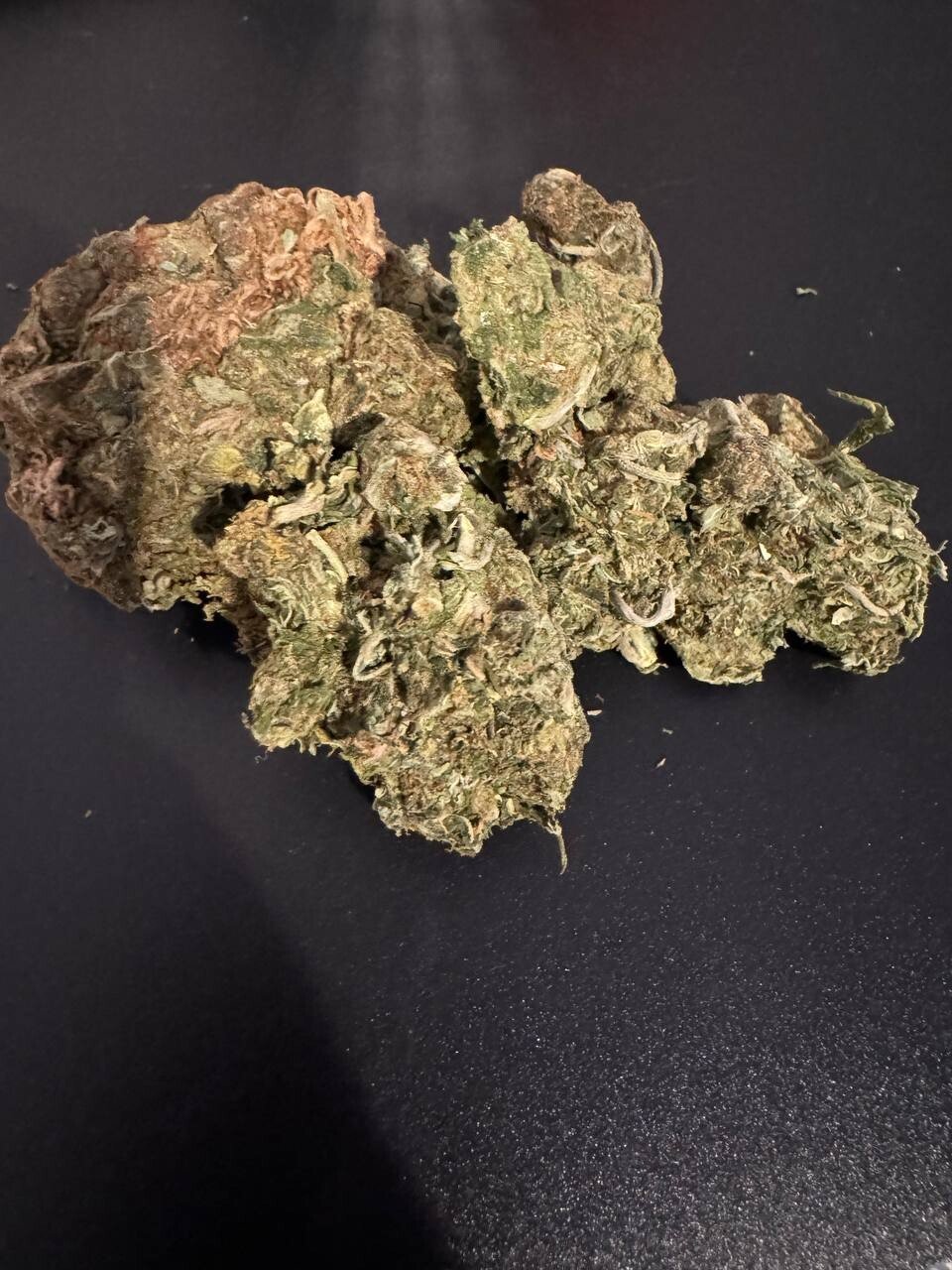
Do not use flower with gray or green fuzz, web-like threads, damp clumps, ammonia-like odor, or unusually oily residue. Brown discoloration alone is not proof of mold, while artificial fragrance, neon color, oversized crystals, and claims such as “100% pure” are warning signs. Vape cartridges deserve extra caution: the CDC notes that concentrates may contain additives or unknown substances, and vaping has been linked to lung injury. Avoid cartridges with leaking oil, loose hardware, burnt plastic odor, or no manufacturer address. Warning signPossible issueAction
| Missing batch number | Untraceable origin | Do not purchase |
| Copied or unverifiable COA | False potency or safety data | Verify with the laboratory |
| Fuzz, musty odor, damp texture | Fungal contamination | Discard; do not smoke or vape |
| Unsealed cartridge or harsh chemical taste | Additives or solvent residue | Stop use immediately |
FDA-approved Epidiolex is a prescription product, not a benchmark for informal products sold by beach vendors or social-media accounts. COFEPRIS states that recreational self-use remains regulated under Mexican law; visitors in Quintana Roo should avoid street sellers and unlicensed delivery services. People with asthma, weakened immunity, or respiratory symptoms should seek medical care after exposure, since mold can irritate the lungs and, in vulnerable patients, cause serious infection.
Choose only sealed products with batch-specific laboratory results, a clear THC amount per serving, and a manufacturer’s contact details. Unverified oils, gummies, brownies, and vape cartridges can contain far more tetrahydrocannabinol than stated, plus pesticides, solvents, heavy metals, or other cannabinoids. The CDC warns that THC concentration on edible labels may be inaccurate or difficult to measure.
Unknown strength raises the chance of panic, confusion, vomiting, severe drowsiness, rapid heart rate, impaired coordination, and accidental injury. Edibles may take up to two hours to produce noticeable effects, so taking another portion too soon can cause prolonged intoxication. High-concentration extracts may also increase the risk of cannabis use disorder, while vaping products can expose the lungs to additives or contaminants. Product typePotential problemSafer check
| Unlabeled gummy | Unknown dose; delayed effects | Reject without batch testing |
| Vape cartridge | Concentrated THC and contaminants | Verify laboratory report and ingredients |
| Homemade brownie | Uneven distribution between pieces | Avoid products without measured servings |
| Licensed edible | Still may cause overconsumption | Follow the stated serving size |

The FDA reported 10,448 single-substance exposure cases involving edible THC products between January 1, 2021, and May 31, 2022; children represented a large share of these incidents. Keep all products locked away from children and pets. Do not combine unknown-strength THC with alcohol, sedatives, or driving. Seek urgent medical help for chest pain, seizures, breathing problems, fainting, extreme agitation, or inability to wake the person. A 2014 Colorado case described a fatal event after consumption of an edible labeled at 65 mg THC, showing why dose uncertainty can carry serious consequences.
Do not smoke or vaporize cannabis on hotel grounds, balconies, pool decks, lobbies, restaurants, or resort beaches unless management gives clear written permission. The Hard Rock Hotel in Quintana Roo prohibits introducing, possessing, selling, or consuming illegal drugs anywhere on its property and beach area. A violation can lead to removal, a cleaning charge, or a police call.
Public beaches such as Playa Delfines remain federal public areas, not private extensions of nearby resorts. The Supreme Court of Justice of the Nation has stated that authorized personal use cannot take place in public areas without consent from other people, in front of minors, while driving, or near activities that create risk. The ruling does not create a retail market or permission for open smoking beside hotel guests.
Keep any product sealed and out of sight while walking through the Hotel Zone, using taxis, entering beach clubs, or passing security checkpoints. Do not share it, sell it, or carry large quantities. COFEPRIS authorization is a separate administrative matter and should not be confused with permission to consume beside families, hotel employees, or tourists who have not agreed.
Smoking restrictions also affect tobacco and nicotine devices: many resorts designate only marked outdoor areas, while beaches, restaurants, and common spaces may be smoke-free under Mexico’s health-control rules. Ask the front desk for the property’s written policy before using any smoking area, and follow posted signs at Playa Delfines, Playa Tortugas, and nearby beach clubs. Public visibility, complaints, minors, and possession near security staff can quickly turn a private-use issue into an enforcement matter.
Do not carry cannabis, THC edibles, vape cartridges, CBD packets, or related products through Aeropuerto Internacional de Cancún, Mexican customs, or any land crossing. Mexican authorities treat drug possession and importation as offenses, including medical cannabis that is legal under a U.S. prescription. Airport screening can involve X-ray equipment, canine units, ANAM customs officers, and Guardia Nacional personnel.
A traveler caught with a small amount may face confiscation, questioning, detention, fines, or criminal investigation; larger quantities, concealed packages, or evidence of distribution can lead to much more serious charges. In February 2026, Guardia Nacional officers used X-ray screening at Cancún International Airport to locate 25 suspected cocaine packages and detained the luggage owner. A 2022 operation also seized about 1,500 CBD envelopes arriving from Miami, Florida, with the shipment referred to Mexico’s Fiscalía General de la República.
Returning to the United States creates a separate risk. U.S. Customs and Border Protection may seize cannabis or related products, question the traveler, delay entry, or refer the matter for enforcement. A state-issued medical card, dispensary receipt, sealed packaging, or a legal purchase connected with Buy Weed Cancun does not authorize international transport. The U.S. Department of State specifically warns that products legal in a traveler’s home state may still cause arrest or detention abroad.
At roadside checkpoints near Playa del Carmen, Tulum, or the Belize border, keep luggage closed, answer officers calmly, and never attempt to hide or discard a product. If detained, request a lawyer and contact your consulate; do not sign documents you cannot understand.
Do not carry cannabis products across the Mexican border based solely on a foreign prescription. Verify requirements with COFEPRIS before departure and obtain any required import authorization.
Keep the original prescription, physician’s letter, dosage details, and sealed pharmacy packaging available for inspection. Mexican customs may reject or confiscate products, and possession can lead to legal penalties despite authorization in your home country.

No. Cancun does not have a legal recreational cannabis retail market for visitors. Mexican authorities have stated that personal-use rulings do not create permission to sell, supply, transfer, or distribute cannabis. Possession and use can also lead to legal trouble, while rules may depend on the amount, circumstances, and local enforcement. A tourist should not treat offers from street sellers, taxi drivers, beach vendors, or online contacts as licensed sales.
The confusion comes from court decisions concerning adult personal use and health authorizations. Those decisions did not establish a commercial dispensary system or give visitors a general right to purchase cannabis. COFEPRIS stated in July 2026 that the relevant rulings did not authorize commercialization, sale, supply, or distribution. A personal-use authorization, where applicable, is not the same as permission to buy from an unknown seller in Cancun.
Travelers should not bring cannabis products into Mexico. The U.S. Department of State warns that importing drugs, including medical marijuana, is illegal under Mexican law. CBD products can also create problems because Mexican customs has seized cannabis-derived products at Cancun International Airport. This applies to flower, oils, gummies, capsules, vape cartridges, and products that appear to contain little or no THC. Check Mexican customs and health rules before traveling with any medication or supplement.
Decline the offer, do not hand over your passport or payment details, and do not agree to follow the person to another location. Some offers may involve scams, theft, counterfeit products, or pressure to purchase other substances. If a person becomes aggressive, move toward hotel staff, security personnel, or a busy public area. Do not accept a package for someone else, since carrying an unknown substance can create serious problems at checkpoints, airports, or border controls. Local authorities and your consulate can provide help if you are threatened or detained.
For relaxation, choose activities and products that are clearly permitted by the hotel, venue, and local authorities, such as spa services, non-intoxicating beverages, or ordinary wellness products from reputable businesses. For pain, anxiety, sleep, or another medical issue, speak with a licensed doctor and ask about medicines that may legally be used in Mexico. Do not assume that a prescription or doctor’s letter from the United States allows a controlled product to enter Mexico. Avoid driving, swimming, boating, or using recreational equipment after taking any substance that may affect alertness.
No. Tourists should not assume that cannabis is sold legally in Cancun. Mexico’s rules are complex, but possession and use can still lead to arrest, fines, or jail. The U.S. Department of State warns that marijuana remains illegal in Mexico, even when it is permitted in a traveler’s home state. Avoid street sellers, informal delivery services, and offers made near hotels, clubs, or beaches.
The outcome may depend on the amount, the circumstances, and the authorities involved. A visitor could face questioning, confiscation, arrest, fines, or criminal proceedings. Resort areas are not exempt from drug laws, and being a foreign visitor does not provide protection from local enforcement. If police stop you, stay calm, do not argue, and ask for a lawyer and consular assistance. Do not sign documents you cannot understand.
Do not pack cannabis, THC products, or vape cartridges for a trip to Mexico unless you have confirmed written authorization from the relevant Mexican authorities. A U.S. prescription or medical-cannabis card does not automatically make the product acceptable at the border. The U.S. Department of State states that importing drugs, including medical marijuana, is illegal under Mexican rules. Customs officers may inspect luggage at airports, including Cancun International Airport.
The safest choice is to avoid buying or carrying cannabis during a Cancun trip. Travelers who use cannabis for medical reasons should speak with their doctor before departure and ask the Mexican embassy or consulate about current entry requirements for any prescribed medicine. Keep all approved medication in its original packaging, carry the prescription and supporting paperwork, and confirm that the product is permitted before flying. Never take cannabis across an international border, use it in public, or accept an unlabeled product from a stranger. If you feel pressured or threatened by a seller, leave the area and contact hotel security or local emergency services.






