Buy Weed Aqaba is not a legal or safe option: Jordan prohibits the use, possession, and distribution of marijuana, including its derivatives. The U.S. Department of State warns that these rules are strictly enforced across the country, including Aqaba.
Travelers arriving through King Hussein International Airport should avoid informal sellers, online offers, and unverified products. For prescribed controlled medicines, contact the Jordan Food and Drug Administration before travel and carry approved documentation; its guidance covers medicines containing narcotic or psychotropic substances for personal use.
Do not seek cannabis, hashish, or THC products in Jordan. Possession, use, distribution, and importation of marijuana and its derivatives are illegal, and the U.S. Department of State warns that Jordan enforces strict drug laws. Drug cases may lead to arrest, detention, prosecution, travel restrictions, deportation, or denial of re-entry.
Tourists face added risks from counterfeit products, unknown strength, contamination, theft, extortion, and police operations. A seller’s promise of privacy offers no legal protection. Carrying a package for another person is also unsafe, especially near King Hussein International Airport, border crossings, hotels, and the Red Sea waterfront. Prescription medicines such as tramadol, pregabalin, and codeine products may also require advance verification and original packaging.
Choose lawful activities offered through recognized operators instead. The official tourism authority lists snorkeling and scuba diving, while ASEZA manages the Aqaba Marine Reserve and promotes regulated marine tourism. Ayla Golf Course provides an 18-hole, par-72 option, and licensed Bedouin guides run desert excursions in Wadi Rum. Petra offers a lawful cultural day trip with official opening hours and ticketing. OptionLegal statusPractical choice
| Cannabis or hashish | Illegal | Avoid possession and purchase |
| Prescription medicine | Conditional | Carry packaging, prescription, and approval documents |
| Marine Reserve tour | Lawful when booked through an operator | Snorkeling or diving |
| Wadi Rum excursion | Lawful through licensed guides | Jeep tour or overnight camp |
If approached by a seller, decline, leave the area, and contact hotel security or local authorities. If detained, request a lawyer and consular assistance; U.S. citizens can contact the U.S. Embassy in Amman at +962-6-590-6000.
Do not carry, consume, purchase, sell, or transport cannabis in Jordan. The amended Narcotic Drugs and Psychotropic Substances Law No. 24 of 2021 applies to foreign visitors in the same way as Jordanian nationals. Marijuana, hashish, THC oils, edibles, vapes, seeds, and plant material may create criminal exposure at King Hussein International Airport, Jordan Customs, the Port of Aqaba, or the Wadi Araba Crossing.
Jordan’s 2021 amendment states that certain first-time drug offenses may not be recorded as a criminal precedent or security record. This does not make possession or use lawful, and it does not prevent arrest, investigation, detention, court proceedings, confiscation, or removal from the country. The exception covers conduct such as use, possession, purchase, transport, import, export, storage, and cultivation when intended for personal use.
Visitors should treat all cannabis products as prohibited at border controls, including CBD products whose labels claim zero THC. Jordan Customs operates inspection facilities connected with the southern seaport and land crossings, while the U.S. Embassy in Amman warns that Jordan enforces strict drug rules and prohibits marijuana and its derivatives. A prescription from the United States, Canada, or Europe does not automatically authorize entry with cannabinoid medication.
For prescribed medicines such as tramadol, pregabalin, or codeine products, check Jordan’s Ministry of Health requirements before departure. Keep permitted medicine in original packaging with the prescription and supporting physician letter. Do not place cannabis-related products in checked luggage, hand luggage, a vehicle, or hotel storage.
Jordanian authorities treat cannabis, hashish, extracts, and related plants as controlled narcotic materials. Under Law No. 23 of 2016, possessing or purchasing a substance for personal consumption may carry one to three years’ imprisonment and a fine of 1,000–3,000 Jordanian dinars when the substance falls within Schedules 1, 2, 4, 5, or 6. The Jordanian Narcotics and Psychotropic Substances Law does not create a tourist exception for visitors, hotel guests, or foreign passport holders.
The 2021 amendment, Law No. 24, provides limited relief for a first personal-use case: the act is not treated as a criminal precedent or security record. A court may also order treatment instead of the listed penalty. A person who voluntarily reports to Jordan’s Anti-Narcotics Department, an official treatment center, or a security center before being caught may avoid public prosecution for use or addiction-related conduct. This does not protect a person accused of supplying others. ConductStatutory exposure
| Personal possession or purchase | 1–3 years; JOD 1,000–3,000, depending on the schedule |
| Promotion or mediation | At least 5 years’ temporary hard labor; fine from JOD 5,000 |
| Supply involving a minor | At least 10 years; fine from JOD 10,000 |
| Trafficking-related purchase, sale, or storage | At least 15 years; JOD 10,000–20,000 |
Distribution, brokering, sale, storage, transport, or purchase with intent to trade can trigger Article 19, carrying at least 15 years and a fine of 10,000–20,000 dinars. Repeat conduct, use of a minor, or involvement of an enforcement employee can raise the sentence to life imprisonment and a 20,000–30,000-dinar fine. Article 20 permits capital punishment where international trafficking gangs or another international crime is involved.
Reject unsolicited offers immediately, including messages using the phrase Buy Weed Aqaba. In tourist zones near Tala Bay, the Corniche, King Hussein International Airport, and hotels such as InterContinental Aqaba, scammers may pose as taxi drivers, nightlife promoters, guides, or fellow travelers. They often offer a “private” delivery, request a deposit through cash or cryptocurrency, then demand extra money after claiming the package is larger, delayed, or held by customs.
A common setup uses several accomplices: one person makes contact, another appears as a supplier, and a third pretends to be police or a hotel employee. Some victims receive herbs, tobacco, or tablets advertised as cannabis; others receive nothing. A more serious variation involves placing an unknown packet in a car, backpack, or hotel room, followed by threats of arrest, deportation, or exposure to relatives. Do not hand over a passport, unlock a phone, or travel to an isolated desert location near Wadi Rum.
Jordan treats controlled substances under Drug and Psychotropic Substances Law No. 23 of 2016, and official foreign-travel guidance warns that drug offences can lead to imprisonment. A tourist should preserve chat logs, payment records, usernames, vehicle details, and photographs without touching suspicious material. Ask hotel security to contact the Public Security Directorate; Jordan’s emergency service is 911, while its Anti-Narcotics Department lists [email protected] for contact.
Never pay a second demand to “close the case.” Move to a staffed place such as a hotel lobby, airport desk, police station, or established business, and request an interpreter before signing any statement. Prescription medicines should remain in original packaging with a doctor’s letter, since rules for medicines can differ from those in the United States.
Reject any Buy Weed Aqaba message that demands a deposit before a meeting, promises delivery through a hotel concierge, or insists on Bitcoin, Binance, Western Union, or gift cards. Fraudsters often use copied photos, disposable WhatsApp numbers, Telegram usernames, and prices such as JOD 50 for “premium” material without naming a registered business. A seller who changes the meeting point from a public lobby at Kempinski Hotel Aqaba to an isolated street near the port is creating a serious personal-safety risk.
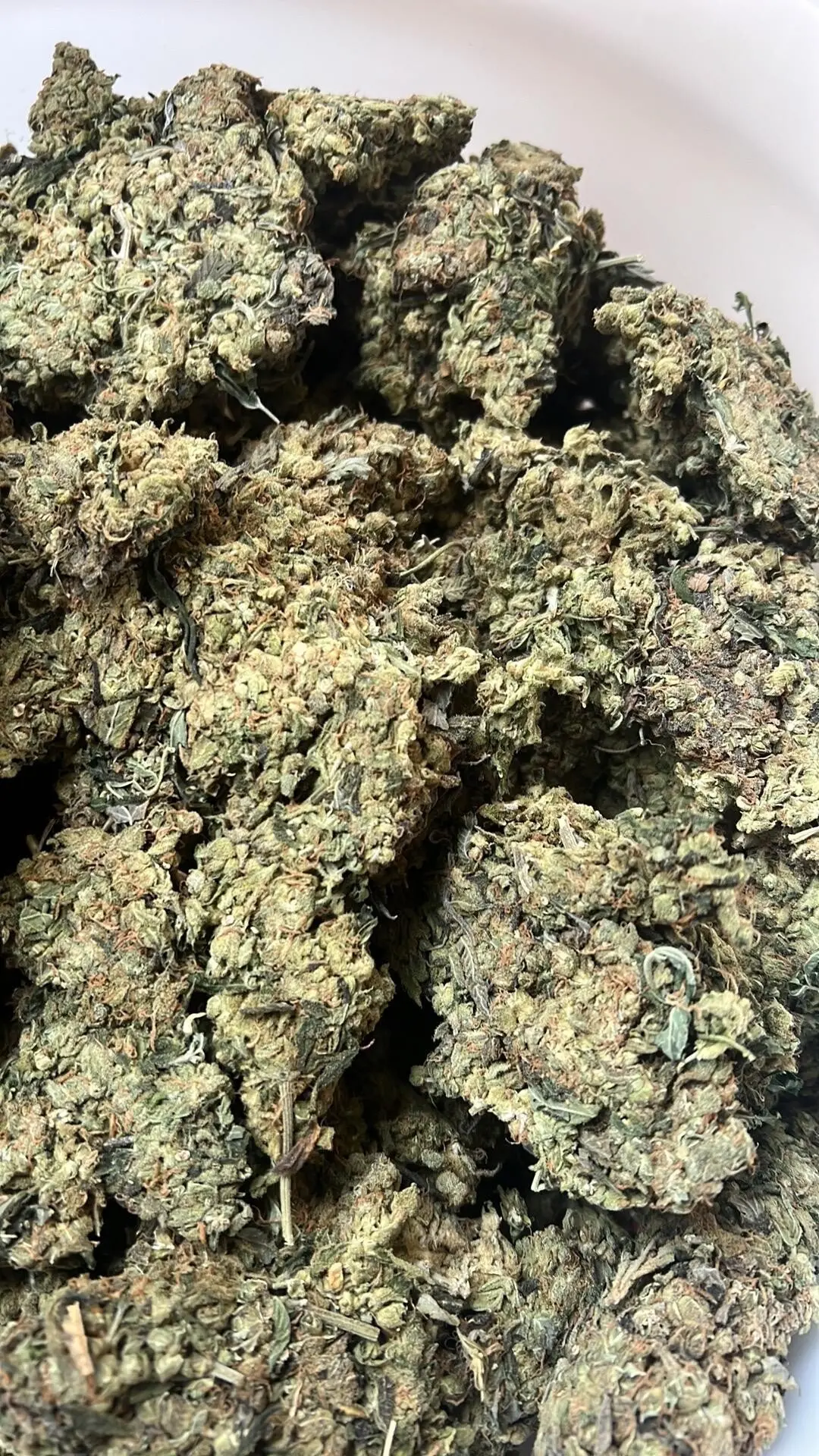
Do not share passport scans, hotel-room numbers, live location, banking details, or photographs of cash. Refuse any request to carry a package across the King Hussein International Airport, the Wadi Araba crossing, or into Saudi Arabia or Egypt. A claim that a courier, police officer, tour guide, or “local fixer” can protect you has no credibility. The Jordanian Public Security Directorate has reported narcotics arrests in the Aqaba Governorate, including cases involving multiple suspects and prepared quantities for sale.
Other warning signs include sealed bags with no labeling, unexplained tablets or powders, threats after you request a refund, and sellers who refuse a verifiable identity. Do not taste, smoke, or mix an unknown substance with alcohol, prescription medicine, or energy drinks. Leave the area, contact hotel security, and report suspicious messages to Jordan’s Public Security Directorate Drug Enforcement Administration; its published contact email is [email protected].
For patients searching Buy Weed Aqaba, the safe legal route is to contact a licensed physician and verify every prescription through the Jordan Food and Drug Administration (JFDA). Jordan’s Narcotic Drugs and Psychotropic Substances Law No. 23 of 2016 regulates controlled medicines, while the JFDA publishes controlled-substance schedules and maintains a registered-medicines database. A social-media seller, hotel contact, delivery service, or unlicensed dispensary is not an authorized medical channel.
Ask the doctor to confirm whether the requested cannabinoid product is registered for use in Jordan, whether a special prescription is required, and which licensed pharmacy can dispense it. Bring a passport or Jordanian identification, the diagnosis, prior treatment records, and the original prescription. Do not carry imported oils, flowers, capsules, or vape cartridges across Queen Alia International Airport or any border without written authorization. The JFDA has issued guidance covering the personal entry, export, and import of medicines containing narcotic or psychotropic substances, but that guidance does not create a general retail market for cannabis products. ChannelWhat to verifyRisk level
| Licensed physician | Diagnosis, prescription, approved product | Lowest |
| JFDA-registered pharmacy | Product registration, batch, receipt | Lowest |
| Ministry of Health directorate | Referral and regulatory guidance | Low |
| Online seller or informal dealer | No reliable legal verification | High |
The Ministry of Health lists regional health directorates, including the local health authority for the southern governorate. Patients should request written confirmation before paying, travelling, or accepting a shipment. Keep the prescription, invoice, packaging, and physician’s contact details together during treatment.
Carry every medicine in its original, pharmacy-labelled container, together with a signed prescription and a doctor’s letter. The letter should state your diagnosis, dosage, treatment dates, and the generic name of each product. Keep these items in your cabin baggage, not checked luggage, and bring enough for the full stay plus several extra days for delays. U.S. Department of State guidance recommends this format for travelers entering Jordan.
Before departure, ask the Embassy of the Hashemite Kingdom of Jordan in Washington, D.C., or a Jordanian consulate to confirm whether your medicine requires prior authorization. A prescription issued in the United States does not automatically permit importation. This check matters for opioids, stimulants, sedatives, injectable treatments, and cannabis-based products. Jordan applies strict controls to prohibited substances, and possession can lead to arrest or detention. DocumentWhat to includeRecommended format

| Prescription | Patient name, medicine, strength, dosage, quantity | Original plus printed copy |
| Doctor’s letter | Diagnosis, treatment need, generic medicine names | Signed and dated, on clinic letterhead |
| Pharmacy label | Matching name, instructions, prescriber details | Unaltered container |
| Authorization | Required approval for restricted medicines | Written confirmation from Jordanian authorities |
Carry a copy of your passport, insurance details, and the contact number for the U.S. Embassy Amman at Al-Umayyaween Street. Keep medication records accessible during airport screening. If treatment must continue after arrival, use a licensed provider in Amman or the medical facilities serving the Red Sea coast; do not replace a prescription through informal sellers, since counterfeit products may contain the wrong strength or harmful ingredients.
No. Jordanian law prohibits the use, possession, sale, and distribution of marijuana and its derivatives, including in Aqaba. A tourist should not treat informal offers, private contacts, or social-media listings as legal retail options. Drug laws are enforced, and a suspected purchase can lead to arrest, questioning, prosecution, fines, or imprisonment.
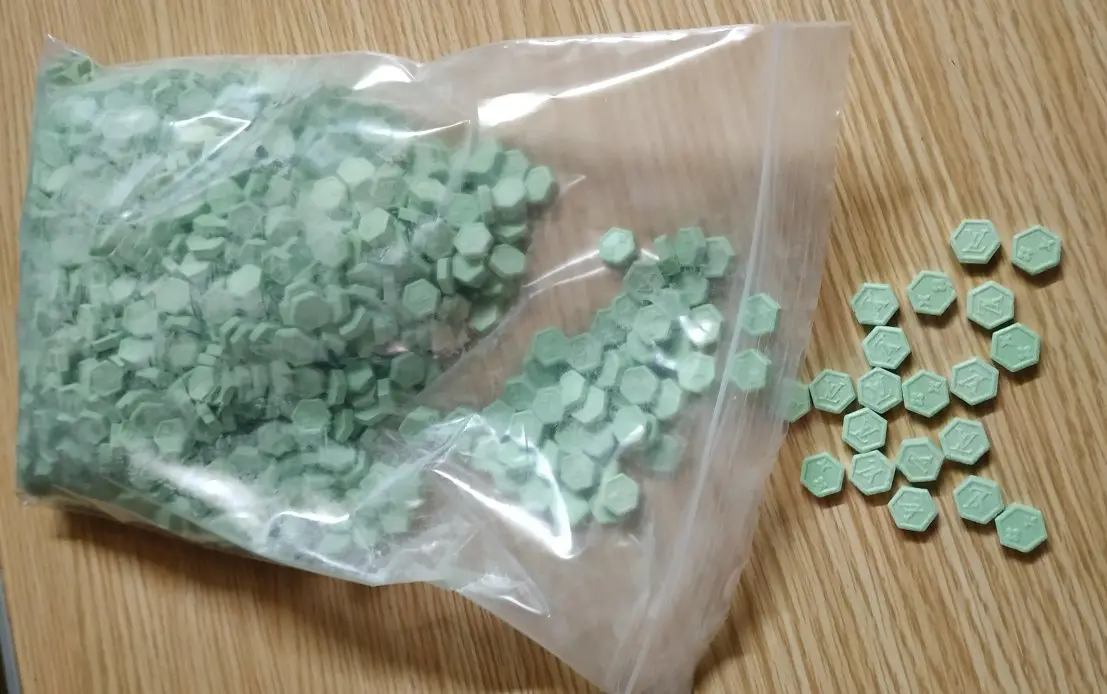
Aqaba does not have a legal recreational cannabis market like some cities in North America or Europe. Shops, hotel staff, taxi drivers, or online sellers who claim to provide weed are not proof that the product is authorized. Buying from an unlicensed person also creates risks of scams, adulterated products, police action, and difficulty obtaining help if money or personal information is taken.
Do not assume that CBD products, gummies, oils, or medical cannabis are permitted simply because they are sold legally in the country where you bought them. Jordan regulates medicines containing narcotic or psychotropic substances, and travelers may need approval and supporting documents before entering with certain medicines. Ask the Jordan Food and Drug Administration or a Jordanian embassy before travel, and keep the medicine in its original packaging with a valid prescription.
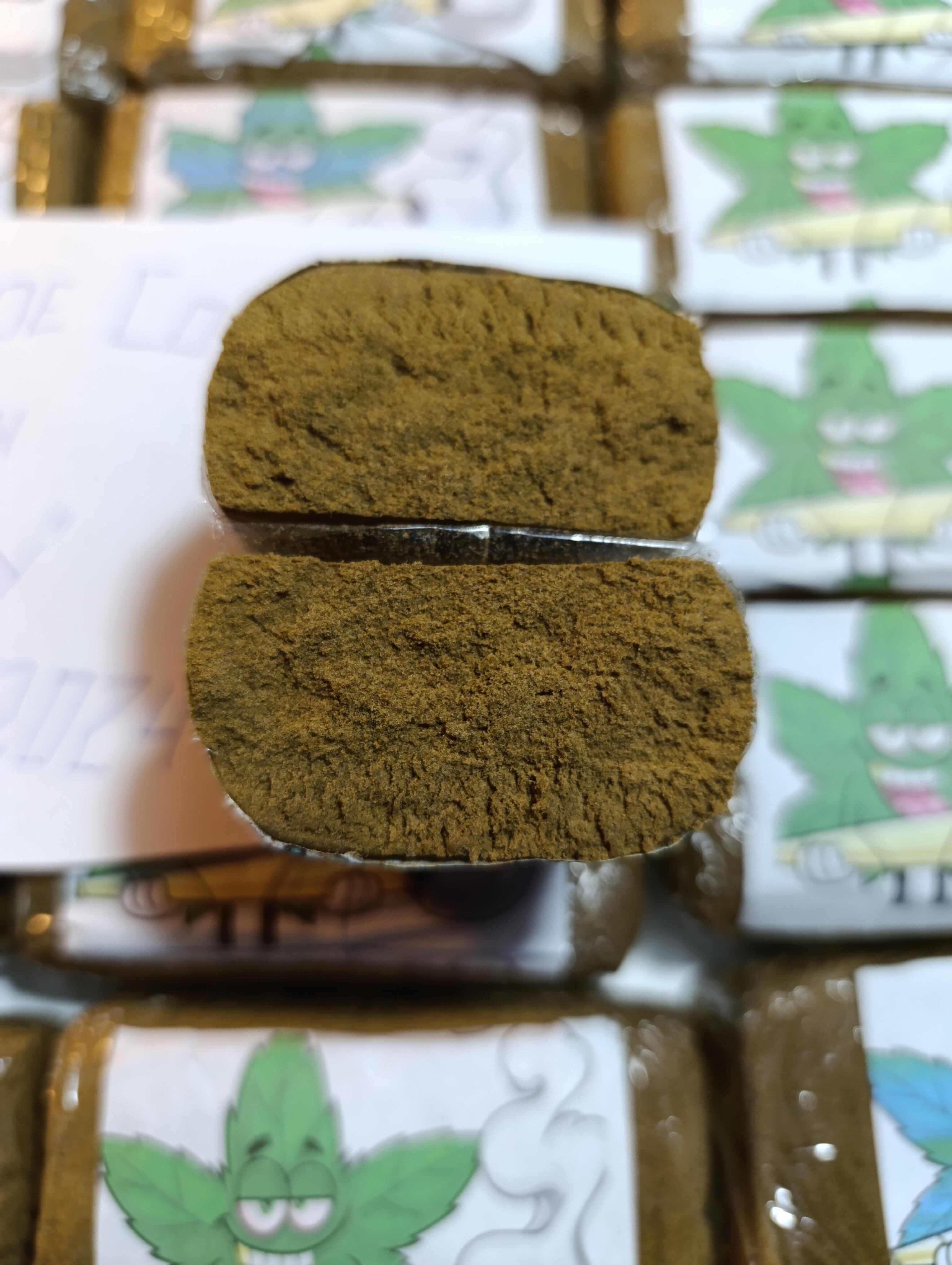
Decline without arguing, do not inspect or carry the product, and leave the area. Avoid taking packages for another person or accepting a “free sample,” since possession can create serious legal trouble even when the substance was not purchased by you. If you feel threatened, contact your hotel, local police, or your embassy. Keep messages and payment records if someone is attempting a scam or making threats.
Visitors can choose activities such as swimming, snorkeling with a licensed operator, a glass-bottom boat trip, a walk along the waterfront, a spa treatment, or a quiet evening at a hotel or restaurant. If you use prescription medicine, ask a local doctor or pharmacist about lawful options available in Jordan. Avoid carrying cannabis across borders, using it in a hotel, or driving after taking any substance that may impair concentration.
No. Aqaba is governed by Jordanian national law, and purchasing, possessing, transporting, cultivating, or selling cannabis can lead to legal trouble. Jordan’s Narcotic Drugs and Psychotropic Substances Law covers these activities, while licensed handling of controlled plants is limited to regulated cases.
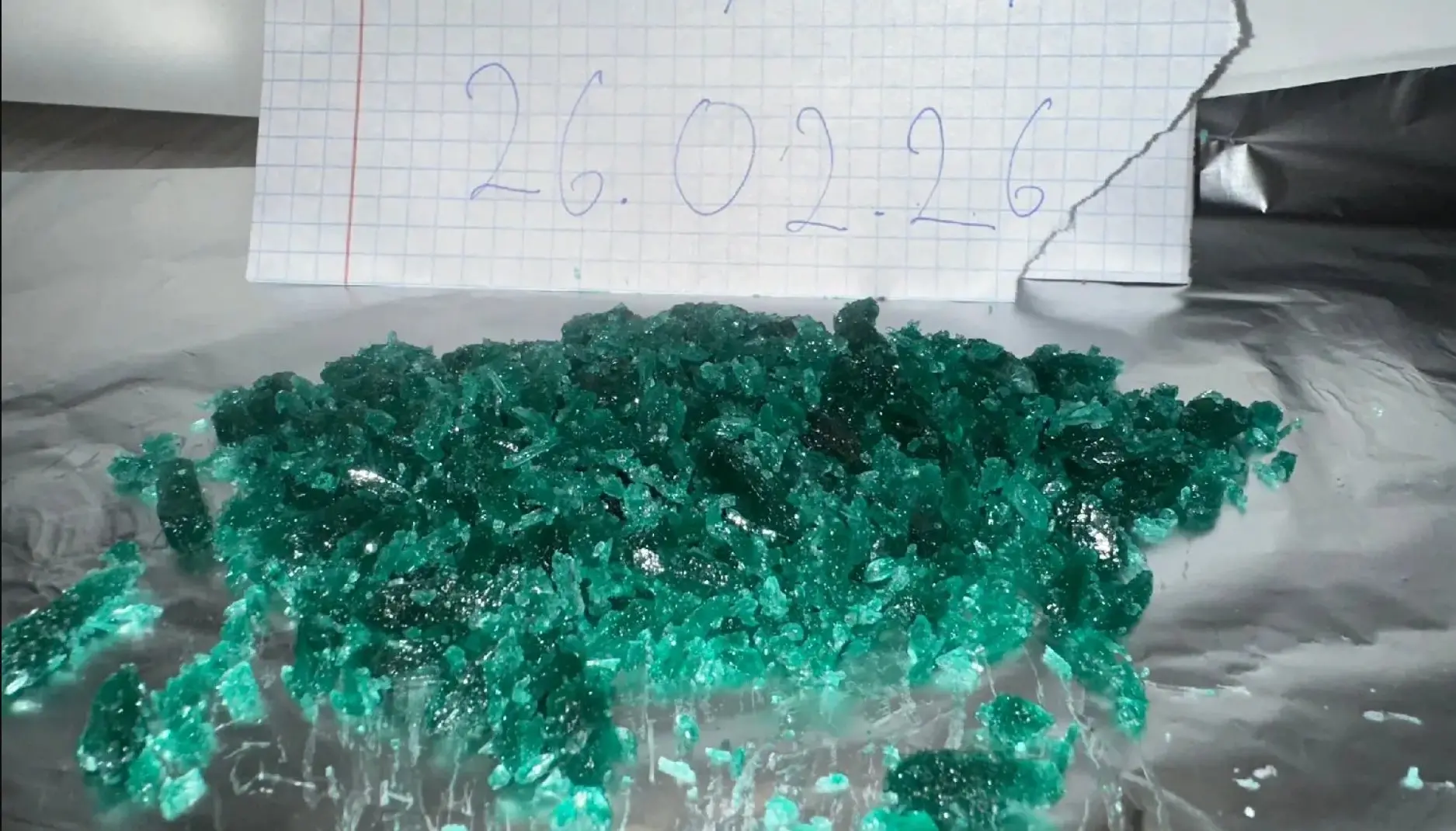
Tourists do not receive a general exemption from Jordanian drug laws. A seller’s promise that cannabis is “safe for foreigners” has no legal value. Possession may result in questioning, arrest, court proceedings, fines, detention, or removal from the country. Do not carry cannabis through the airport, across the border, or into hotels and other public places.
There is no general recreational cannabis retail system in Aqaba. Websites, social-media accounts, and street sellers advertising weed may be operating illegally or attempting to defraud visitors. I cannot help identify sellers, delivery services, prices, or meeting points. A licensed pharmacy or medical provider is the proper place to ask about lawful treatment options.
Decline the offer, avoid handling the substance, and leave the area calmly. Do not agree to carry a package for another person, since you may be held responsible for its contents. If you feel threatened or think a seller is trying to extort you, contact your hotel, a trusted local authority, or the nearest police station.
Speak with a qualified doctor or licensed pharmacist in Jordan and describe the symptoms clearly. Ask about medicines that are legally available in the country, and bring prescription documents for any medication you already use. Do not assume that a product sold as CBD, hemp, hashish, or an edible is permitted; product labels and online claims may not match Jordanian rules. The 2021 amendment to Jordan’s drug law changed how some first-time cases may be recorded, but it did not create a recreational cannabis market.
No. Buying, possessing, using, or distributing cannabis is illegal in Aqaba and throughout Jordan. I can’t help locate sellers or arrange a purchase. Visitors may face arrest, questioning, prosecution, and serious travel problems, including issues at airports or border crossings. Do not bring cannabis, CBD products, edibles, or related items into Jordan or take them across the border. If you use a prescribed medicine that contains a controlled substance, contact the Jordan Food and Drug Administration or a licensed doctor before traveling, since foreign prescriptions may not be accepted automatically.






