For “Buy Weed Amsterdam,” choose licensed coffeeshops such as Boerejongens, Grey Area, or The Bulldog, then compare strain menus, THC levels, prices, and customer limits before ordering. Carry a valid ID and keep purchases within the Dutch tolerance limit of 5 grams per person.
Boerejongens is known for detailed product information, while Grey Area attracts visitors seeking small-batch varieties. Check opening hours, payment options, and local rules before visiting; public consumption, street dealing, and resale can lead to fines or police attention.
Choose Coffeeshop Central at Prins Hendrikkade 89 for the shortest walk from Central Station, usually around 3–4 minutes. The Store at Singel 14 is another nearby option, about 5–7 minutes away, while The Bulldog No. 90 on Oudezijds Voorburgwal offers a well-known brand and a busier tourist setting. Confirm the green-and-white coffeeshop sign, displayed permit details, age rule, and current opening hours before entering. Local authorities regulate these premises through municipal permits and tolerance statements.
For visitors searching Buy Weed Amsterdam, identification is required, and shop policies may differ on payment, product limits, indoor use, and foreign customers. Carry a passport or national ID, use cash or a Dutch debit card where requested, and avoid street sellers around Damrak or the station. Staff should provide a printed menu with strain names, weights, and prices; do not accept sealed packets without labeling. The city has about 165 coffeeshops, but the central area is crowded, so queues are common after 18:00. ShopAddressApprox. walkBest for
| Coffeeshop Central | Prins Hendrikkade 89 | 3–4 min | Quick stop |
| The Store | Singel 14 | 5–7 min | Compact menu |
| The Bulldog No. 90 | Oudezijds Voorburgwal | 8–10 min | Recognisable brand |
| Siberië | Brouwersgracht 11 | 15–18 min | Quieter canal setting |
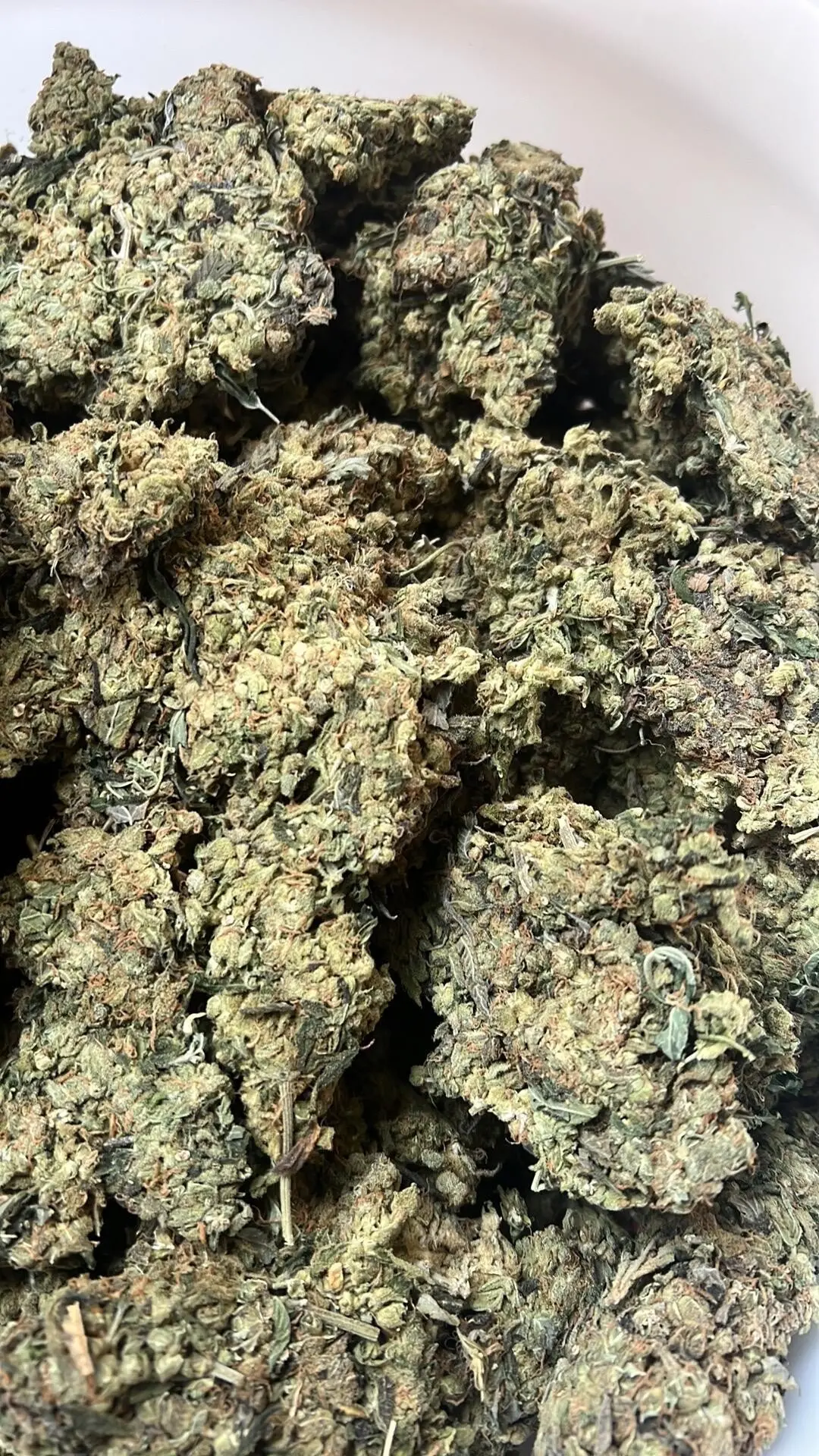
Compare at least three current menus before choosing a product. Barney’s Coffeeshop, The Bulldog, and Green House commonly list flower, hash, pre-rolled joints, and CBD options, but stock, cultivar names, and prices can change within hours. Treat menu percentages as estimates: ask whether THC and CBD figures come from laboratory testing or staff assessment. Regulated products supplied through the Dutch controlled-chain experiment must display THC and CBD information on the packaging, while ordinary menu listings may provide less detail.
Use potency ranges to narrow the choice rather than selecting the highest number. A beginner may prefer flower around 10–15% THC or a balanced CBD:THC option; experienced users may look at 20–25% THC, while hash often feels stronger because resin contains concentrated cannabinoids. Strains such as Jack Herer, White Widow, Gelato, and Amnesia Haze can appear across several shops, yet the same name does not guarantee identical genetics or strength. Request the harvest date, terpene profile, and package weight before paying. Product typeTypical menu detailPractical check
| Flower | THC estimate, price per gram | Ask about freshness and curing |
| Hash | Traditional, dry-sift, or filtered | Check texture, aroma, and origin |
| Pre-roll | Flower, tobacco-free, or mixed | Confirm contents and weight |
| CBD flower | Low THC, higher CBD | Request the exact cannabinoid ratio |
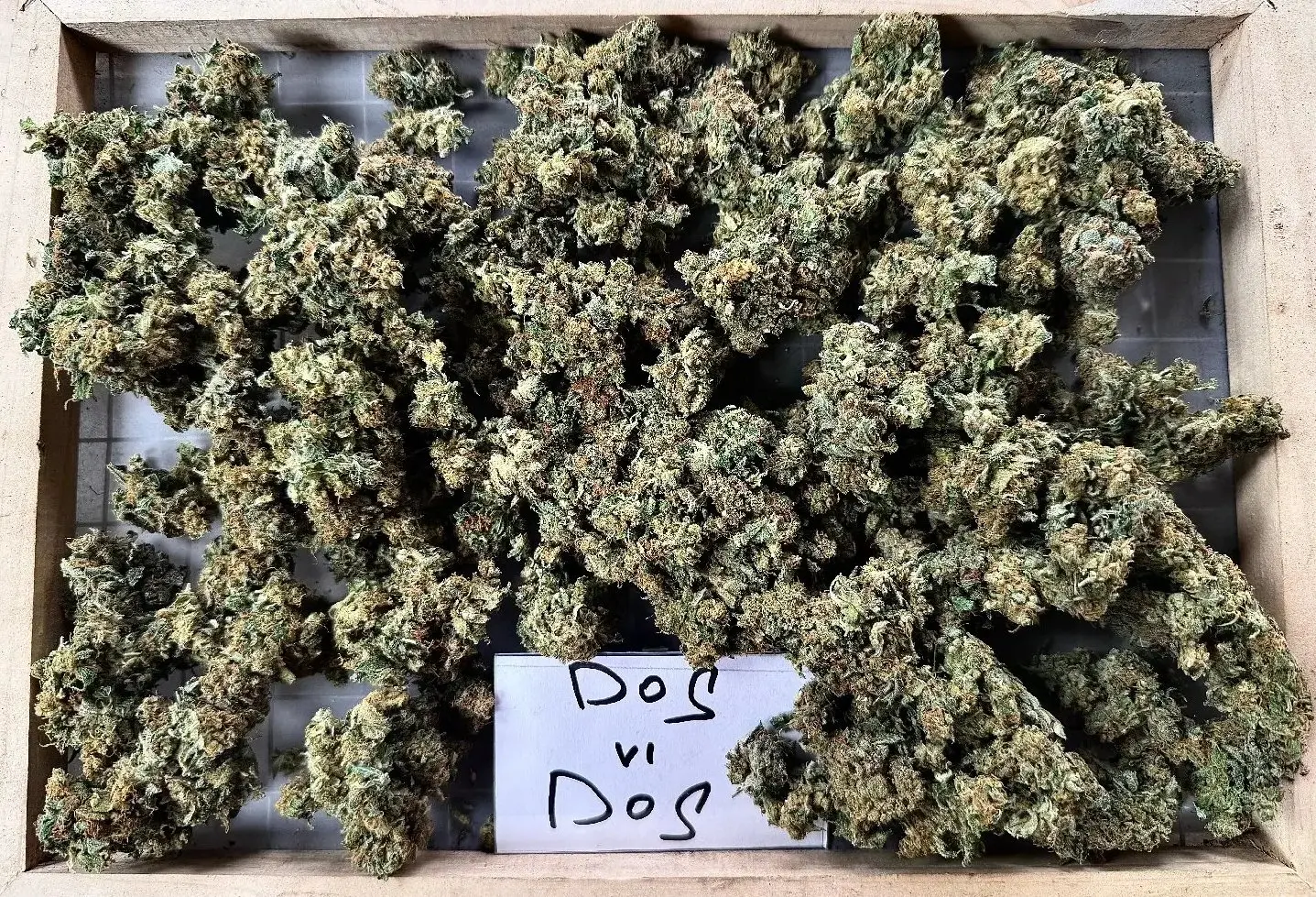
Check the legal conditions before entering: Dutch coffeeshops operate under a tolerance policy, sales are limited to adults, and the national framework permits a maximum of 5 grams per transaction. Resident-access rules can vary by municipality, so verify the policy at the specific shop.
Plan around 5 grams per person per day, with no more than 5 grams sold in one transaction. This ceiling applies to marijuana and hash at licensed coffeeshops. Possession of up to 5 grams is generally not prosecuted, but the substance remains illegal under Dutch law; tolerance is not the same as full legalisation. Buyers must be at least 18 and should carry a valid passport or national identity card.
Visitor access is not uniform across the country. Since January 1, 2013, national policy has limited coffeeshop sales to residents of the Netherlands, yet enforcement is decided locally and differs by municipality. The Government of the Netherlands identifies Breda, Heerlen and Maastricht as border municipalities where shops may not sell to people living outside the Netherlands. In the capital, individual operators may admit tourists, but no visitor should assume entry or purchase is guaranteed. A shop such as The Bulldog or Boerejongens can apply its own proof-of-age and customer rules. RulePractical meaning for visitors
| 5 grams | Maximum sale to one person per day and transaction |
| 18+ age limit | Passport or national ID may be requested |
| Residence criterion | Foreign visitors may be refused, depending on local enforcement |
| Border municipalities | Breda, Heerlen and Maastricht exclude non-residents |
Do not split a larger purchase among companions to bypass the limit: staff may refuse the sale, and separate transactions do not create a lawful allowance above 5 grams per person. Keep products discreetly stored, avoid public consumption where local rules prohibit it, and never carry cannabis across the Dutch border. Search results for “Buy Weed Amsterdam” often mix legal tolerance with retail advertising, so rely on the shop’s current policy and municipal rules.
Choose flower for the clearest flavour control, hash for a denser and heavier session, pre-rolls for convenience, and edibles for a smoke-free option. Barney’s is known for strains such as Laughing Buddha, while Boerejongens often attracts visitors seeking carefully presented flower and resin. Flower usually costs about €8–18 per gram, with potency and terpene quality varying sharply between shelves.
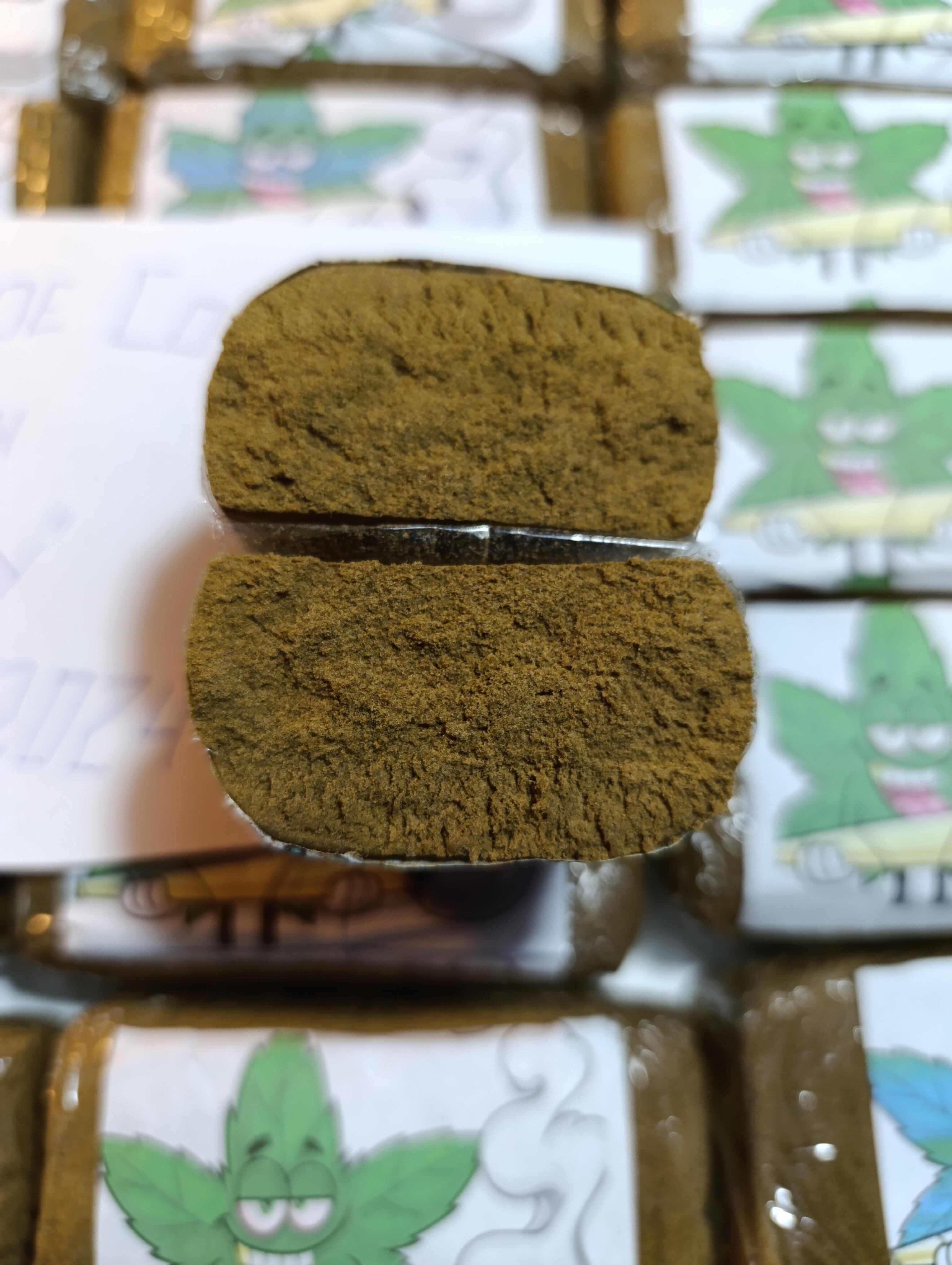
Hash, including Moroccan-style resin and products such as Caramello at Barney’s, generally delivers a richer texture and stronger body effect per small amount. Pre-rolls are easier to use but may contain tobacco or lower-grade trim, so check the label before paying. Edibles require the most restraint: effects can appear after 30–120 minutes and may last several hours. During the Dutch controlled-supply trial, participating shops may sell edibles made with raw cannabis, while extract-based food products are excluded. ProductTypical priceBest forMain drawback
| Flower | €8–18/g | Flavour, strain choice, adjustable dose | Requires papers, grinder, or vaporizer |
| Hash | €10–25/g | Dense smoke and stronger texture | Harder to dose for beginners |
| Pre-roll | €5–10 each | Fast, simple use outdoors | Contents and tobacco mix may vary |
| Edible | €5–12 each | No smoke and discreet consumption | Delayed, longer-lasting effects |

For a first purchase, a small flower portion from The Bulldog or Boerejongens offers better dose control than an edible. Experienced users may prefer hash, while pre-rolls suit short visits. Check packaging, ask whether a joint contains tobacco, and wait at least two hours before considering another edible portion. Menu listings for Barney’s show all four formats, with prices and stock changing regularly.
Carry a valid government-issued photo ID in its original form. A passport is the safest choice for visitors from outside the European Union; an EU national identity card may also be accepted. Check that the document remains valid throughout your stay, and keep it accessible rather than packed in checked luggage. A phone photo or photocopy may not satisfy age checks at licensed coffeeshops.
Visitors must be at least 18 years old to purchase cannabis products legally. Staff at venues such as The Bulldog, Barney’s Coffeeshop, and Grey Area can request identification before discussing available products. Rules and accepted documents may differ by venue, so verify each shop’s current policy before leaving your accommodation.
Card acceptance is not uniform: some shops accept debit cards, while others operate with cash-only counters or restrict card use for certain products. Do not rely solely on Apple Pay, Google Pay, or a foreign credit card. ATMs near Schiphol Airport, Centraal Station, and major GVB transport hubs can be convenient, but withdrawal limits and exchange rates vary. Avoid carrying more cash than needed for the day, and keep your passport separate from your wallet while moving between shops.
Ask staff whether smoking is permitted before opening any product, then use only the area they indicate. At Boerejongens, house rules apply both inside and near the shop, so keep voices low, remain at your table, and avoid blocking the entrance or pavement. The Bulldog Ex-Police Station also operates as a busy visitor venue; do not photograph other guests, handle display items, or pass a joint to strangers without consent.
Carry valid identification and follow the 18+ entry rule. Dutch toleration policy limits a single purchase to 5 grams per person, while local authorities and individual venues may add conditions. Alcohol, hard drugs, aggressive behavior, dealing, and nuisance can lead to refusal of service or removal.
At Barney’s Coffeeshop or any smaller lounge, order before occupying a seat, respect time limits during crowded periods, and leave space for other guests. If staff say consumption is takeaway-only, seal the product and use it only where local rules permit; carrying cannabis across the national border can result in fines or imprisonment.
Choose a low-potency flower or a small pre-rolled joint rather than hash, concentrates, or strong edibles. Ask staff at established coffeeshops such as Boerejongens, Dampkring, or The Bulldog for products with THC near 10–15%. A first purchase of 1 gram is usually enough for several sessions, while a pre-roll offers a fixed portion and less handling.
Check the label for THC and CBD levels, strain name, weight, and production date. Blueberry and White Widow are often easier starting points than high-THC varieties such as Amnesia Haze. Use one or two small inhalations, then wait at least 15 minutes before taking more. Avoid combining cannabis with alcohol, driving, cycling, or crowded nightlife. People taking prescription medicines, or those with a personal or family history of psychosis, should ask a doctor before use. ProductTypical THCStarter portionSuitable for
| CBD-dominant flower | 1–8% | 1–2 small puffs | Minimal intoxication |
| Balanced THC/CBD flower | 8–12% | 1–2 small puffs | Gentle first trial |
| Standard flower | 10–15% | 1 small puff | Controlled indoor use |
| Strong flower or hash | 18–30%+ | Best avoided initially | Experienced consumers |
Select a quiet setting, keep water nearby, and avoid taking more because the first effect feels mild. If anxiety appears, move to a calm place, breathe slowly, and wait; the sensation usually passes as the dose wears off.
Do not respond to people approaching visitors near Centraal Station, Nieuwendijk, Dam Square, or the Red Light District. Street sellers may offer fake cannabis, unknown pills, or products containing harmful substances. They may also demand extra cash, follow customers, or create pressure after an initial refusal. Walk into a recognised coffeeshop instead, check the shop’s posted rules, and keep the receipt.
Use the Dutch Government’s basic limits as a safety check: customers must be at least 18, coffeeshops may sell no more than 5 grams per person per day, and hard drugs, alcohol, and sales to minors are prohibited. A seller who offers cocaine, MDMA, unusually cheap “premium” products, home delivery from the pavement, or a secret meeting is outside the tolerated system. SellerWarning signsSafer response
| Street dealer | Unsolicited approach, cash pressure, no receipt | Refuse, leave, contact venue security if followed |
| Unverified delivery | Advance payment, personal address request, no business details | Do not send money or identification |
| Established coffeeshop | Age check, menu, house rules, visible staff | Ask about origin, packaging, and serving size |
Check packaging before leaving the counter. During the Controlled Cannabis Supply Chain Experiment, participating shops use products supplied by designated growers, with packaging and traceability requirements. Staff should provide product information and explain available assistance. This does not make every product risk-free, so avoid mixing substances, driving, or consuming in public areas where local restrictions apply.
Do not hand over a passport, bank card, phone, or hotel key to a stranger. If threatened, enter a staffed hotel, shop, or police station and call 112 for immediate danger. Report persistent street dealing to local authorities rather than confronting the seller.
Keep purchased cannabis in its sealed coffeeshop packaging, inside a closed bag, and carry only a modest personal amount. Do not open or consume it on GVB trams, trains, ferries, or busy streets.
Use a direct route, avoid cycling while carrying loose items, and store products away from children, heat, and sunlight. If questioned, stay calm and follow local instructions; safe, discreet transport reduces delays and prevents unnecessary attention.

Amsterdam coffeeshops operate under the Dutch tolerance policy, but cannabis remains illegal under national law. The national rule says coffeeshops may sell cannabis only to residents of the Netherlands, although enforcement differs by municipality. Amsterdam shops may apply their own entry checks, so visitors should carry a valid passport or EU identity card and ask the shop about its current policy before joining the queue. Street dealers are not a legal alternative and may sell fake or unsafe products.
A coffeeshop may sell no more than 5 grams of cannabis to one person in a single transaction, and the tolerated possession limit is also 5 grams. Staff may ask for identification and can refuse a sale if a customer appears intoxicated, behaves aggressively, or does not meet the shop’s entry rules. Buying from several shops to exceed the daily limit can create legal problems, so it is safer to stay within the 5-gram limit.
Yes. Customers must be at least 18, and coffeeshops can ask for a valid passport, national identity card, or another accepted document. A photograph of an ID may not be accepted. Bring the original document, keep it with you, and expect the shop to check it at the entrance or before payment. Rules can differ between businesses, so check the shop’s entry policy before visiting.

Smoking cannabis is forbidden in public areas of Amsterdam’s city centre, including streets and busy tourist zones. A violation may lead to a fine. Consumption inside a coffeeshop depends on that business’s house rules, while hotels, hostels, rental apartments, parks, terraces, and public transport may ban smoking or cannabis use. Check the signs at your accommodation and ask staff where consumption is allowed.
Choose a licensed coffeeshop rather than approaching sellers on the street. Read the menu carefully, ask staff about strength and serving size, and avoid mixing cannabis with alcohol. New users should consider a small amount and wait before taking more, since the effects may take time to feel. Keep the product in its original packaging, do not carry it across national borders, and avoid driving or cycling after use. Amsterdam’s coffeeshop system does not make cannabis risk-free or permit unrestricted possession and sale.
Amsterdam coffeeshops may sell cannabis under the Dutch tolerance policy, but national rules state that only residents of the Netherlands may enter coffeeshops and buy cannabis. Enforcement of this residence rule can differ by municipality. Visitors may be asked for a valid ID and proof of registration in a Dutch municipality, so tourists should check the current policy of a specific shop before making plans. Cannabis bought in a coffeeshop should not be taken across the Dutch border.
A coffeeshop may sell no more than 5 grams of cannabis to one person in a single day. Possession of up to 5 grams is generally not prosecuted, but cannabis remains illegal under Dutch law. Staff may also set a lower limit, refuse a sale, or apply house rules about payment, identification, and product availability. Carrying a larger amount can create legal problems, so visitors should not combine purchases from several shops.
Use a licensed coffeeshop rather than accepting offers from people in the street. Street sellers operate illegally, and Amsterdam authorities warn that visitors may be offered fake or unknown substances. A legitimate coffeeshop should display its rules, check age and identification, and sell cannabis in a controlled setting. Do not buy from souvenir shops, hotel intermediaries, or anyone who approaches you near nightlife areas.
No. Smoking cannabis is forbidden in public areas of Amsterdam’s city centre, and the city is introducing further restrictions on cannabis use in busy central areas. A coffeeshop may allow consumption on its premises, but this depends on the shop’s own policy. Smoking in a hotel, rental apartment, public transport, near children, or beside other people can lead to complaints, removal, or a fine. Check the local signs and ask staff where use is permitted before lighting anything.
A first-time buyer can ask whether the product is weed or hash, how strong it is, whether it contains tobacco, and how much the staff recommend for someone with little experience. Start with a small amount and wait before using more, since the effects may take time to feel. Do not mix cannabis with alcohol, avoid driving or cycling after use, and seek medical help if you experience severe anxiety, chest pain, confusion, or loss of consciousness. Products may differ in quality and strength, so clear advice from trained staff is preferable to guessing from a menu.






