For readers searching “Buy Weed Belgrade,” the safest recommendation is to avoid unlicensed sellers: Serbia applies strict penalties for possession and trafficking, including cannabis.
Check guidance from Serbia’s Ministry of Health and ask a licensed doctor or pharmacy about lawful cannabinoid medicines. Do not carry cannabis products through Nikola Tesla Airport or across the border; Serbian law restricts possession, trade, and cultivation, while hemp above 0.3% THC is prohibited.
Do not carry cannabis, THC oils, edibles, or vape cartridges through Nikola Tesla Airport or any Serbian land border. Search phrases such as Buy Weed Belgrade do not describe a lawful retail market: unauthorized sale, transport, cultivation, and distribution are criminal offences under Article 246 of Serbia’s Criminal Code, with prison terms from 3 to 12 years.
For personal possession, Article 246a covers a “small quantity” intended for personal use. The possible penalty is a fine or imprisonment of up to 3 years, and a court may release the offender from punishment; the statute does not provide a safe gram limit. Police may seize the substance, open a criminal case, and involve the public prosecutor.
Visitors should not rely on a foreign prescription, medical-card program, or packaging from Canada, Germany, or the United States. The U.S. Department of State specifically warns that medical marijuana and THC products cannot be brought into Serbia. Travelers carrying controlled medication should obtain written confirmation from Serbia’s Medicines and Medical Devices Agency (ALIMS) and the Serbian Customs Administration before arrival; a prescription alone may not authorize import.
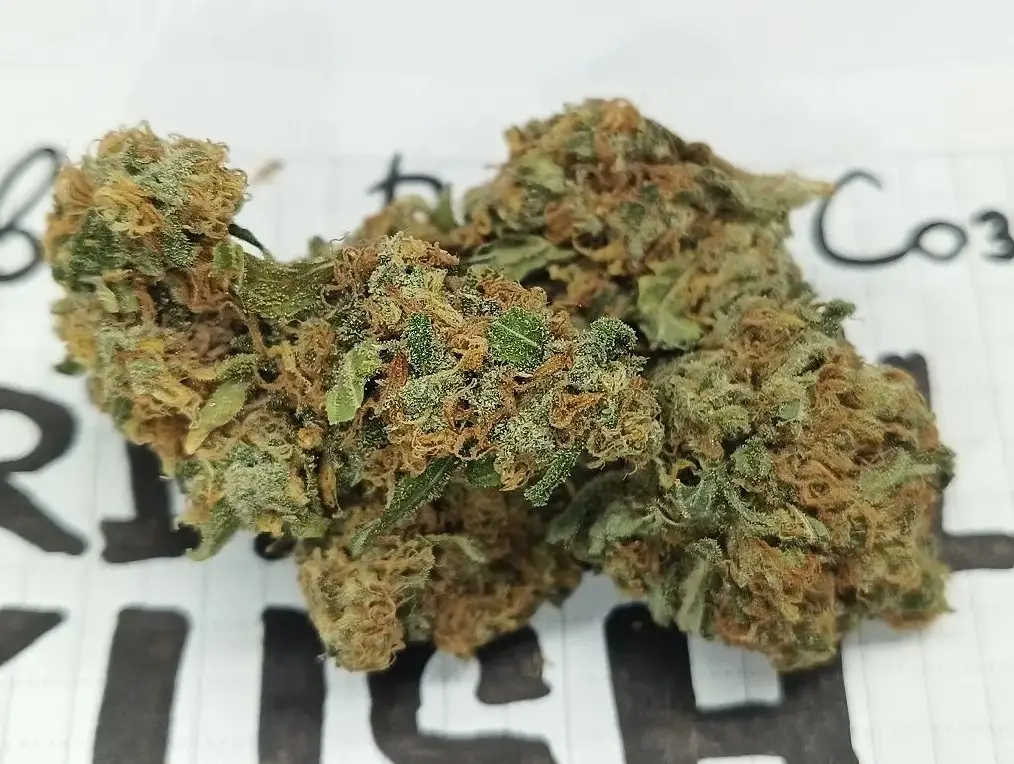
Residents face the same rules as tourists. Registered medical treatment does not create a general pharmacy or café purchase system for dried cannabis. Hemp varieties containing more than 0.3% THC are restricted, while authorized handling of controlled substances falls under the Ministry of Health and licensing rules. Do not consume in Kalemegdan, on public transport, at clubs, or in rented accommodation without the owner’s permission; public use can trigger police attention and additional charges.
Eligibility depends on a licensed medicinal product, a documented diagnosis, and a Serbian physician’s prescription; there is no general patient card or broad right to obtain raw cannabis. Under Serbia’s Law on Medicines and Medical Devices, the Medicines and Medical Devices Agency of Serbia (ALIMS) determines whether a product is prescription-only and sets its dispensing conditions. A pharmacy may supply it only when the prescription follows the applicable rules.
Searches for “Buy Weed Belgrade” do not create legal access. Patients should consult a neurologist, oncologist, pain specialist, or another physician treating the relevant condition. The doctor must assess symptoms, prior therapies, contraindications, interactions, and the status of any approved product. Serbian rules also distinguish ordinary prescriptions from special prescriptions for medicines containing controlled psychoactive substances or products carrying a significant misuse risk.
CBD oils, flowers, cartridges, and extracts purchased from unlicensed sellers should not be treated as prescribed therapy. Packaging, laboratory claims, or a foreign recommendation does not replace Serbian authorization. Before carrying any cannabinoid product across the border, obtain written confirmation from ALIMS, the Ministry of Health, and the prescribing physician.
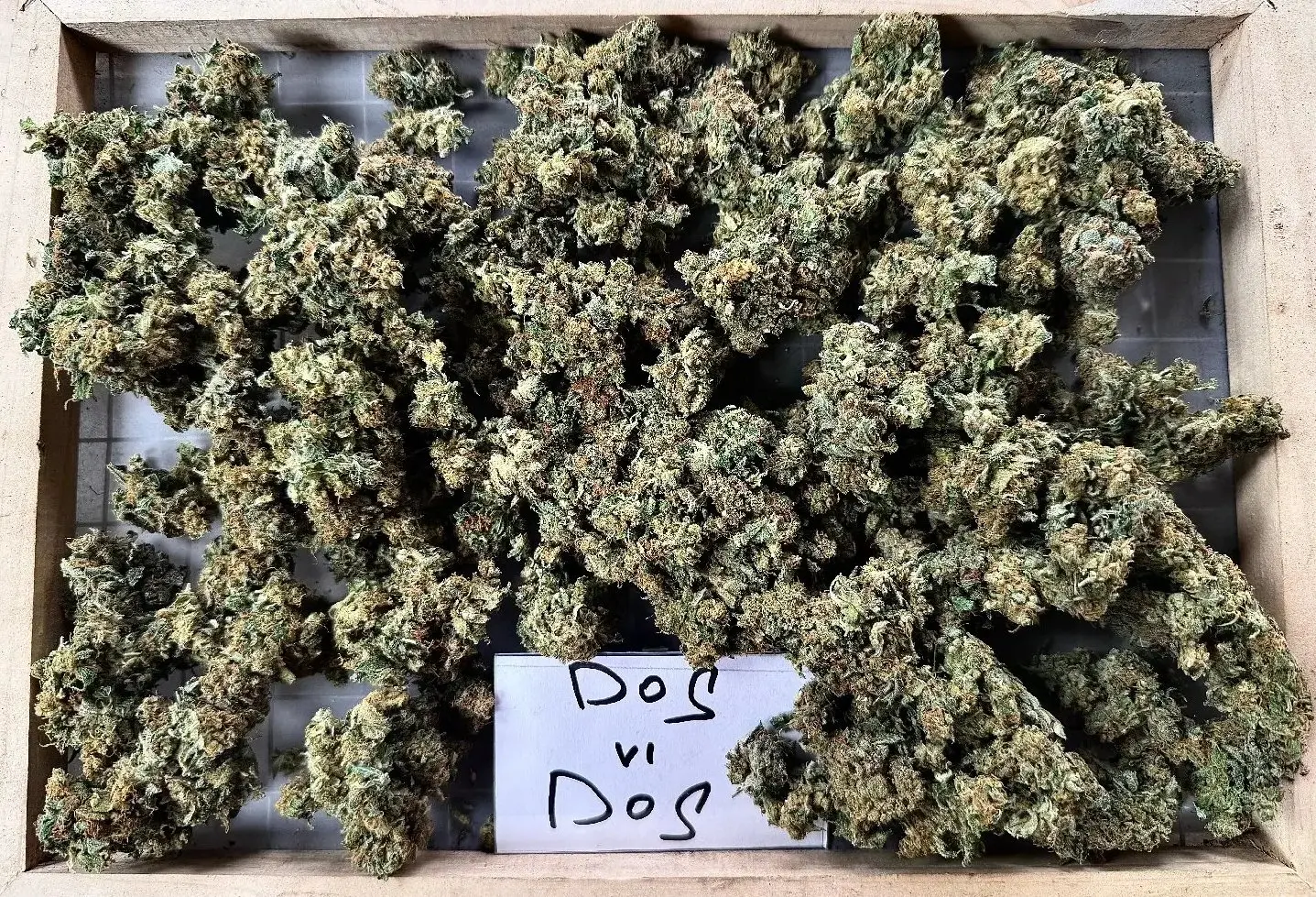
Choose a Serbian-registered medicine or a documented import route rather than unverified plant products. Ask a neurologist, oncologist, pain specialist, or psychiatrist at the University Clinical Centre of Serbia or Military Medical Academy (VMA) to assess symptoms, current medicines, and contraindications. The Medicines and Medical Devices Agency of Serbia (ALIMS), located at Vojvode Stepe 458, maintains the official database of authorized human medicines, including manufacturer, dosage form, prescription status, and authorization number.
For seizure disorders, Epidyolex is a prescription purified-cannabidiol oral solution authorized in the European Union for Lennox–Gastaut syndrome and Dravet syndrome in patients aged two years and older, with treatment supervised by an experienced epilepsy physician. Its Serbian availability must be checked directly in the ALIMS register; an EU authorization does not automatically mean local marketing approval. OptionMain useAccess route
| Epidyolex | LGS and Dravet seizures | Prescription; verify ALIMS status |
| Nabiximols/Sativex | Multiple-sclerosis spasticity | Specialist review; verify Serbian authorization |
| Magistral preparation | Patient-specific formulation | Pharmacy compounding under prescription |
| Unregistered medicine | When no authorized Serbian product exists | Doctor-supported import procedure |
Serbian prescribing rules permit a doctor to prescribe a medicine without a Serbian authorization when the legal import procedure applies; the prescription remains valid for 30 days, while dispensing must occur through a pharmacy or hospital pharmacy. A magistral preparation may be made for one named patient when no authorized product is available. Do not rely on CBD oils, internet sellers, or informal delivery claims: request the batch number, Serbian leaflet, importer details, and ALIMS confirmation before use.
Do not carry cannabis for another person, accept a package for resale, or store it in a rented flat. Under Serbia’s Criminal Code, Article 246 covers production, sale, purchase for resale, transport, mediation, and other forms of unauthorized distribution. The basic penalty is three to twelve years in prison. Drugs and production equipment may also be confiscated. The Ministry of Interior of the Republic of Serbia, including the Police Directorate and local stations, can submit a criminal complaint after a search or seizure.
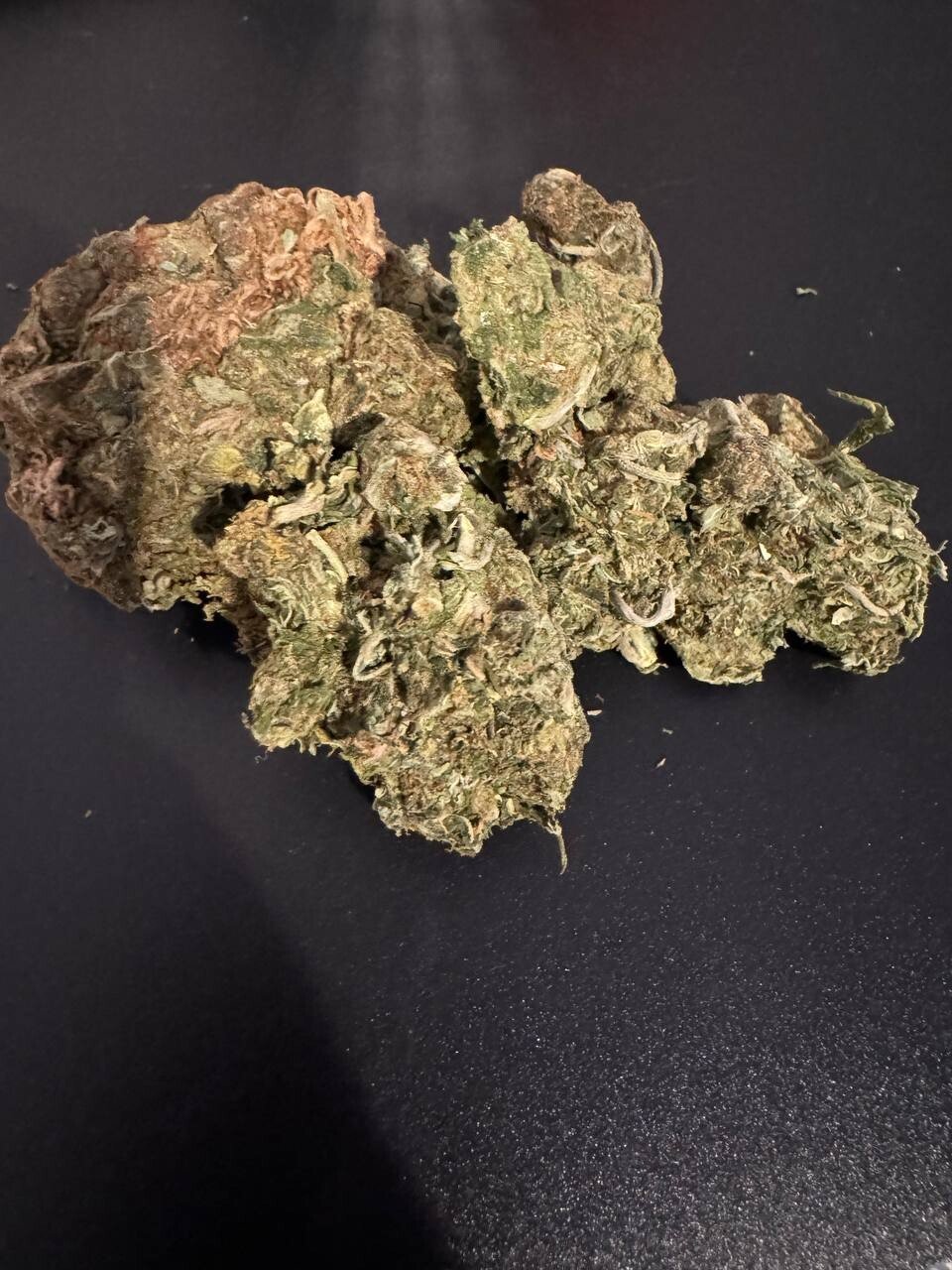
Article 246a separates personal possession from commercial conduct. A smaller quantity intended for personal use may bring a fine or imprisonment of up to three years, and the court may waive punishment. Serbian law does not set a universal gram threshold; judges assess quantity, packaging, messages, cash, scales, and other evidence. Possession of a large quantity carries three to ten years. The substance is confiscated in either case. ConductStatutory penalty
| Small quantity for personal use | Fine or up to 3 years’ imprisonment |
| Large quantity | 3–10 years’ imprisonment |
| Sale or distribution | 3–12 years’ imprisonment |
| Group or reseller network | 5–15 years’ imprisonment |
Distribution to a minor, inside or near an educational institution, at a public event, or through an organized criminal group triggers higher exposure. Group activity or a reseller network raises the range to five to fifteen years; an organized criminal group carries at least ten years. Giving a substance to another person for consumption may also fall under Article 247, punishable by six months to five years, or two to ten years in aggravated cases. A suspect should request a Serbian criminal-defense lawyer before making substantive statements to police or prosecutors.
Treat any page targeting “Buy Weed Belgrade” as unverified unless the seller provides a traceable business identity, verifiable laboratory documentation, and a clear return or complaint process. Fraud signals include Telegram-only contact, pressure to pay by cryptocurrency, copied product photos, changing usernames, unusually low prices, and claims such as “100% safe” or “medical grade” without batch details. A seller who refuses to provide a legal name, physical address, or independent test report should be avoided.
Check every certificate of analysis for a batch number, sampling date, laboratory name, cannabinoid profile, pesticides, heavy metals, residual solvents, mold, yeast, and bacteria. New Jersey Cannabis Regulatory Commission guidance identifies these contaminant categories as standard testing targets, while California’s Department of Cannabis Control requires licensed laboratories to follow standardized methods. A photograph of a certificate is not proof: compare the laboratory name, report number, QR code, and batch data with the laboratory’s own records.
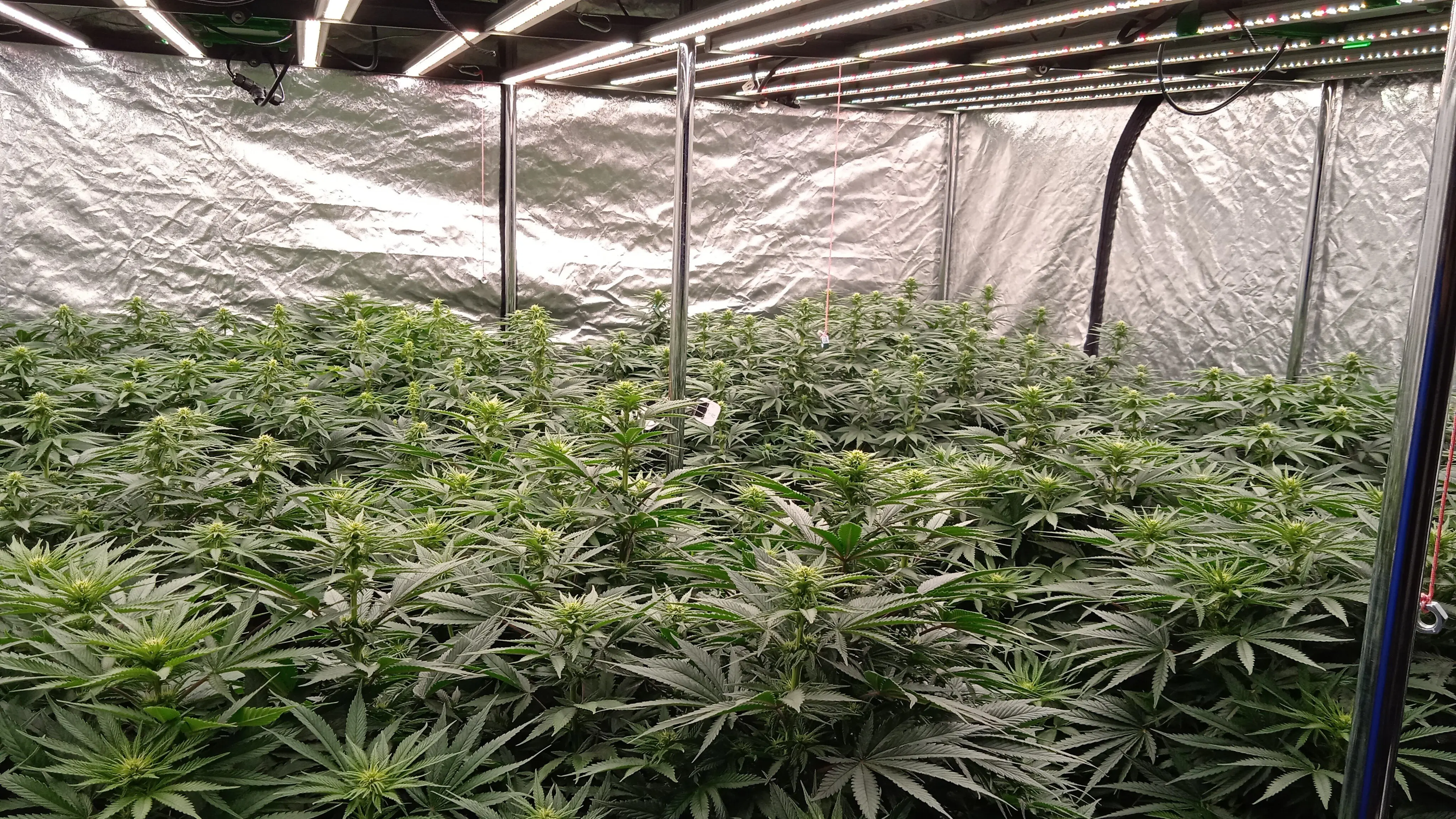
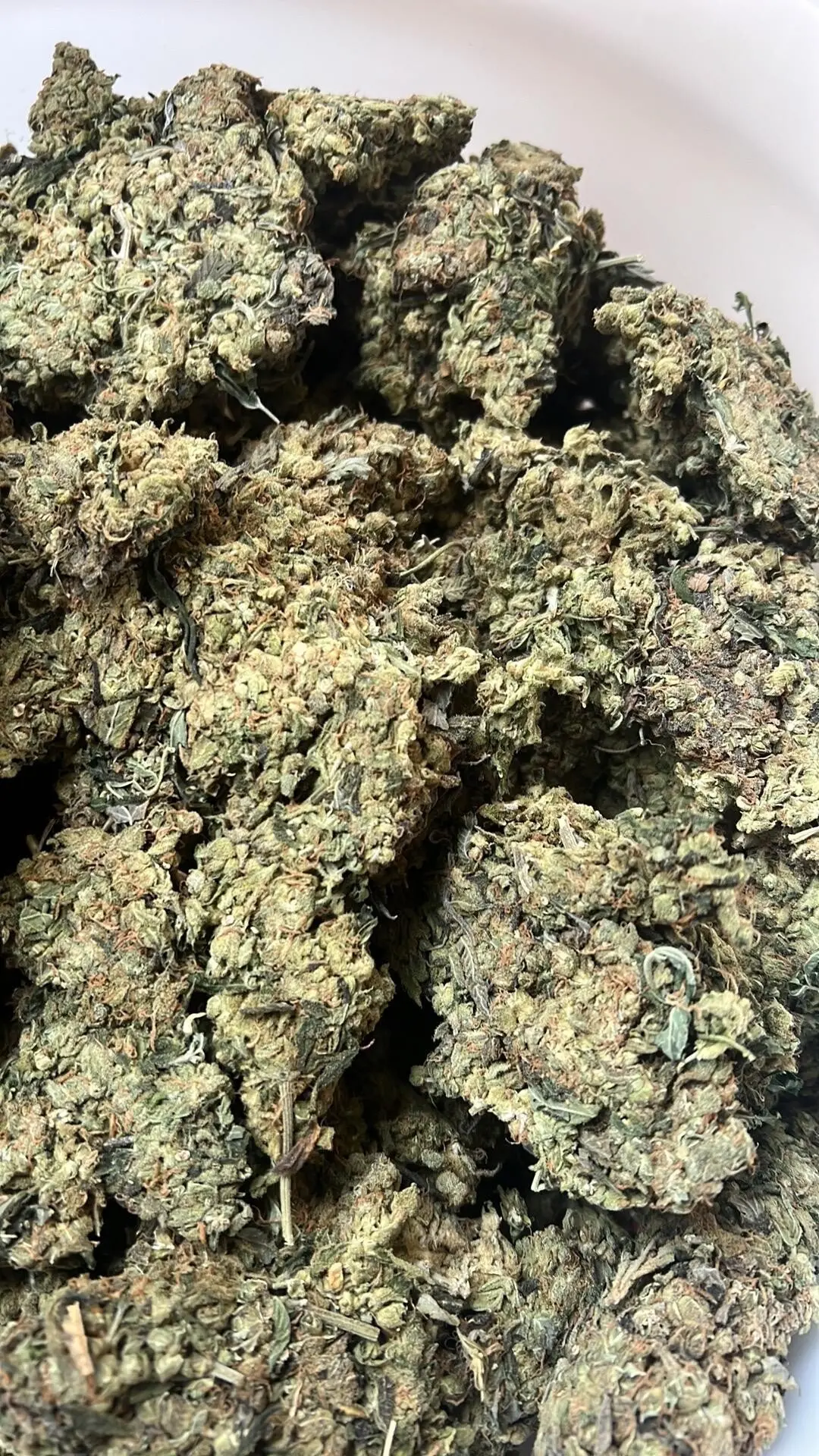
Reject material with fuzzy growth, grey or brown patches, ammonia-like odor, oily residue, artificial perfume, or unexplained colored crystals. Do not rely on appearance to detect pesticides or synthetic cannabinoids; the CDC warns that sprayed synthetic cannabinoids can resemble dried plant material and produce unpredictable effects.
For suspected poisoning–chest pain, seizures, severe confusion, loss of consciousness, breathing difficulty, or repeated vomiting–call Serbia’s emergency number 194. Preserve the packaging, messages, payment record, and remaining sample. Contact the Institute of Public Health of Serbia “Dr Milan Jovanović Batut” or the Medicines and Medical Devices Agency of Serbia (ALIMS) for guidance; do not consume another portion to “test” it.
Avoid untested cannabis products, especially loose flowers, oils, cartridges, and sweets with no laboratory certificate. Unregulated batches may contain pesticides, heavy metals, bacteria, fungi, or residual solvents. The U.S. Food and Drug Administration has reported contamination concerns involving CBD products, while the CDC links high-THC products with stronger cannabis-use-disorder symptoms and impaired memory, attention, reaction time, and coordination.
Mislabeling creates a separate danger: a package may state one cannabinoid concentration while containing a different amount or an undisclosed synthetic compound. EUDA reported that 5% of seized herbal samples in western Piedmont, Italy–11 of 213 samples–were adulterated with synthetic cannabinoids, including MDMB-4en-PINACA. Such substances can trigger severe anxiety, hallucinations, seizures, chest pain, psychosis, or fatal poisoning. Products containing HHC and highly potent edibles present added risks because their effects are less predictable and may last for many hours. Product typeMain hazardSafer response
| Loose flower | Mold, pesticides, unknown THC level | Do not use without verified testing |
| Vape cartridge | Solvents, metals, lung injury | Avoid anonymous cartridges |
| Edible sweet | Delayed overdose, synthetic cannabinoids | Seek medical help after severe symptoms |
| CBD oil | Heavy metals, bacteria, incorrect labeling | Check batch testing and ingredients |
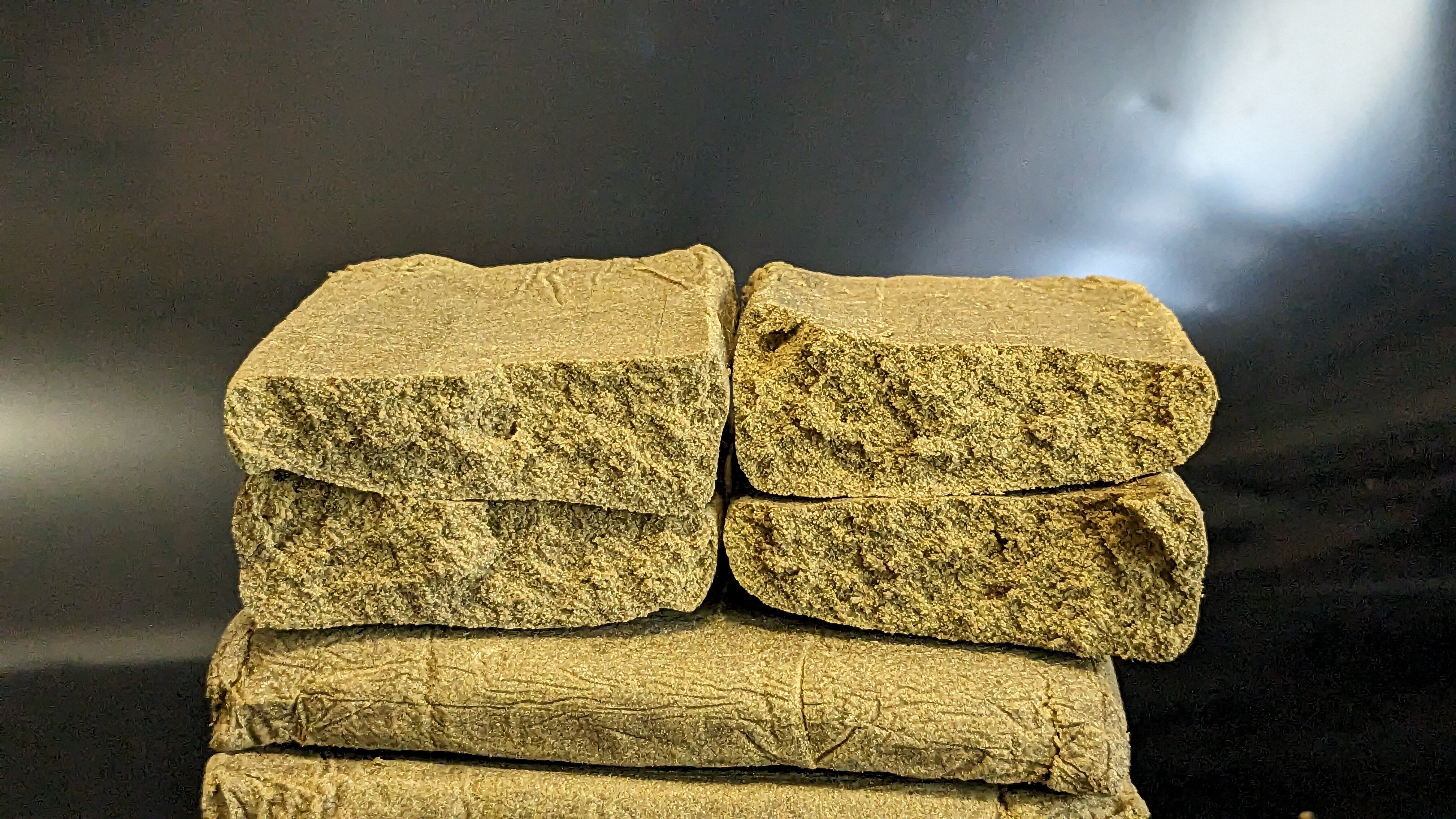
Pregnant or breastfeeding people should avoid cannabis products; FDA warnings include possible risks from THC and contamination with pesticides, heavy metals, bacteria, and fungus. Seek emergency care for breathing difficulty, seizures, loss of consciousness, severe confusion, or persistent vomiting. Do not drive after consumption.
Do not follow strangers to private flats, parked cars, or isolated courtyards. Searches such as “Buy Weed Belgrade” can lead to scams, robbery, contaminated products, or police attention. Meet only in busy, licensed venues such as Drugstore, KST, Dom Omladine, or established bars around Savamala. Keep your passport, phone, and bank cards secured; carry a small amount of cash and share your location with a trusted friend.
Refuse pills, powders, vapes, or drinks with unclear origins. Never accept an opened bottle, leave a glass unattended, or mix unknown substances with alcohol. A simple response–“No, I’m fine”–is enough. If someone becomes aggressive, move toward staff, security cameras, or a crowded area near Skadarlija or Beton Hala. Do not argue, display cash, or photograph a suspicious person. Use licensed taxis or transport arranged through your accommodation, especially after midnight.
At Nikola Tesla Airport, bus stations, and late-night clubs, avoid anyone promising private access, “special prices,” or a shortcut to a supplier. Leave the area, contact your accommodation, and keep communication with unknown people minimal.
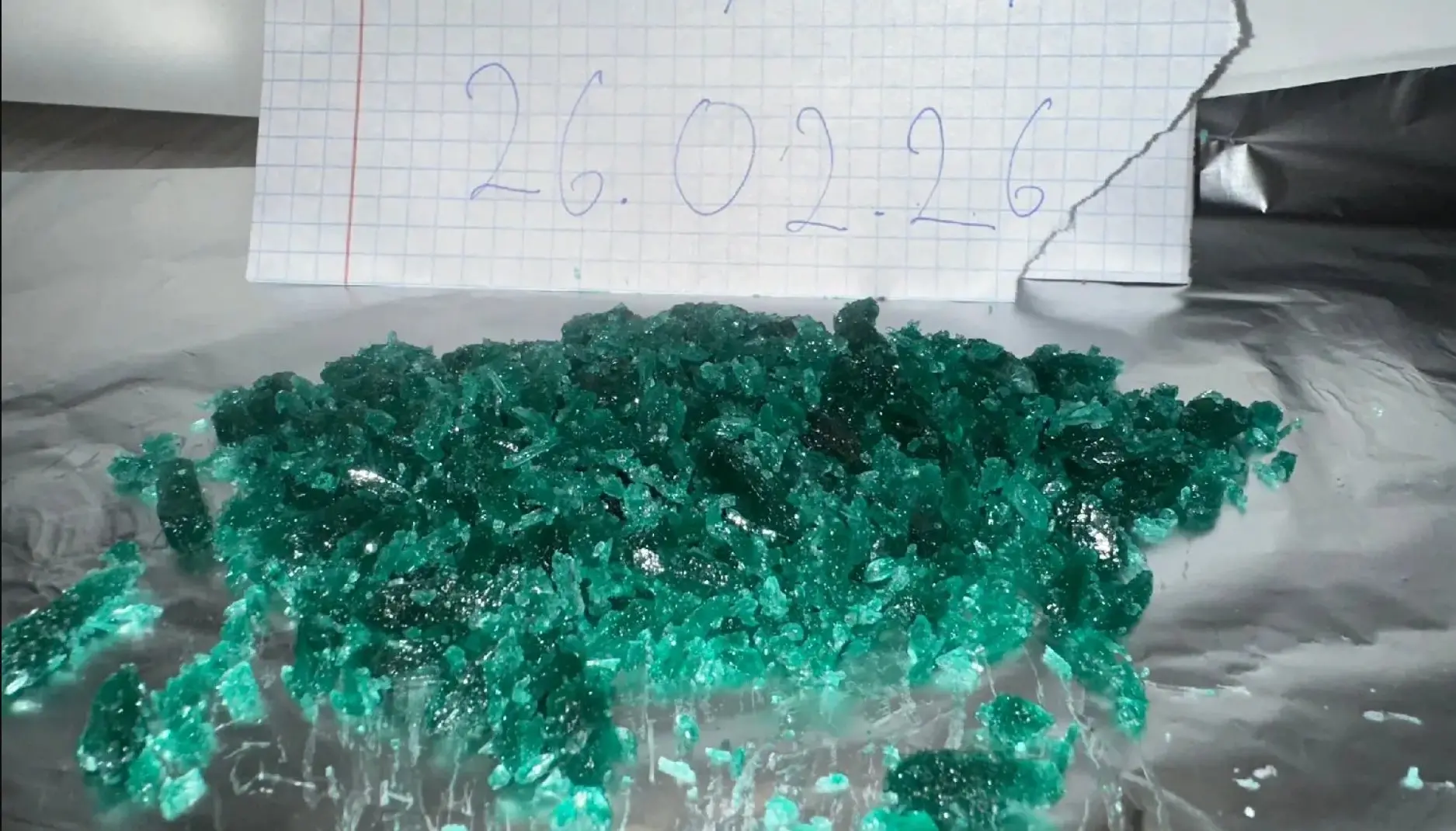
Do not carry cannabis, THC oils, edible products, vape cartridges, or CBD items across Serbian borders, even when purchased legally abroad. The U.S. Department of State states that Serbia prohibits the import of medical marijuana and THC products. Travelers researching Buy Weed Belgrade should treat airport transit, road crossings, and checked luggage as subject to the same restriction.
At Nikola Tesla Airport, land checkpoints, and ferry terminals, Serbian Customs Administration officers may inspect baggage and request prescriptions for controlled medicines. A foreign medical authorization does not automatically permit entry. Customs rules allow ordinary therapy for no longer than 15 days without medical documentation; psychoactive medicine is limited to one package containing up to 30 tablets, unless supporting documents and prior approval apply.
Recent enforcement shows the risk. On June 8, 2025, officers at the Đerdap 2 border crossing found two bottles of cannabis oil and approximately 15 grams of cannabis flowers in foreign travelers’ luggage. A court imposed fines, and the items were permanently confiscated. Similar treatment may apply to hashish, resin, THC gummies, plant material, and cartridges labeled “hemp.”
Separate customs limits also apply: travelers must declare cash of EUR 10,000 or more, while temporary personal goods must match the declared purpose and duration of the visit.
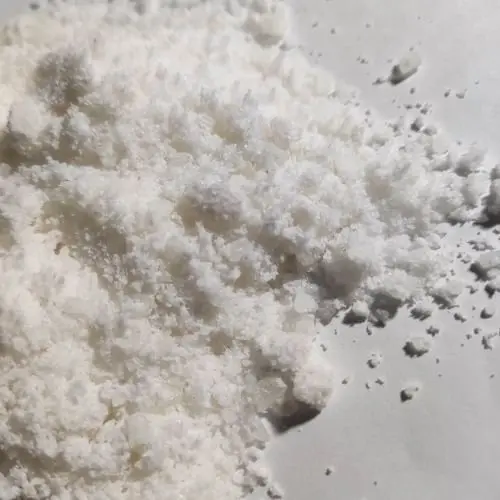
No. Recreational cannabis is not legally sold in Belgrade, and buying it from an individual, social-media account, website, or street seller can expose you to criminal penalties. Serbian police list unauthorized possession, sale, production, and enabling drug use as offences under the Criminal Code. There are no licensed recreational cannabis shops for ordinary customers.
Tourist status does not create an exemption from Serbian drug laws. Possession of a small amount may still lead to police action, questioning, seizure of the substance, and criminal proceedings. A foreign visitor may also face travel disruption, immigration problems, or difficulty leaving the country while a case is being handled. Do not rely on claims that cannabis is “tolerated” in certain parts of the city.
Do not bring medical cannabis, THC products, or cannabis-based preparations into Serbia without written confirmation from the relevant Serbian authorities. The U.S. Department of State states that bringing medical marijuana or THC products into Serbia is illegal and advises travelers to check with the Serbian Medicines and Medical Devices Agency or Serbian Customs before carrying medication across the border. CBD products may also raise questions about their ingredients, labeling, and THC content, so a foreign prescription alone may not be enough.

Speak with a licensed doctor in Serbia rather than searching for an informal seller. The doctor can assess your symptoms and discuss medicines or treatments that are authorized for use in the country. Serbian medicines are regulated under the national Law on Medicines and Medical Devices, and products outside the regulated supply chain may be counterfeit, contaminated, or incorrectly labeled. Do not assume that a product sold as CBD, hemp extract, or medical cannabis has been tested or approved.
Do not purchase or consume an unknown substance, and avoid meeting sellers alone or sending money to an anonymous account. If you have already taken something and develop chest pain, trouble breathing, severe confusion, seizures, loss of consciousness, or intense vomiting, call emergency services at once and tell medical staff what was taken, if you know. If police have become involved, ask for a lawyer and contact your embassy or consulate. Do not attempt to carry the substance through an airport or across a national border.
No. Cannabis remains a controlled substance in Serbia, and recreational possession, use, sale, and distribution can lead to criminal penalties. Serbian authorities do not treat Belgrade as a legal cannabis market, so visitors should not assume that small quantities are tolerated.
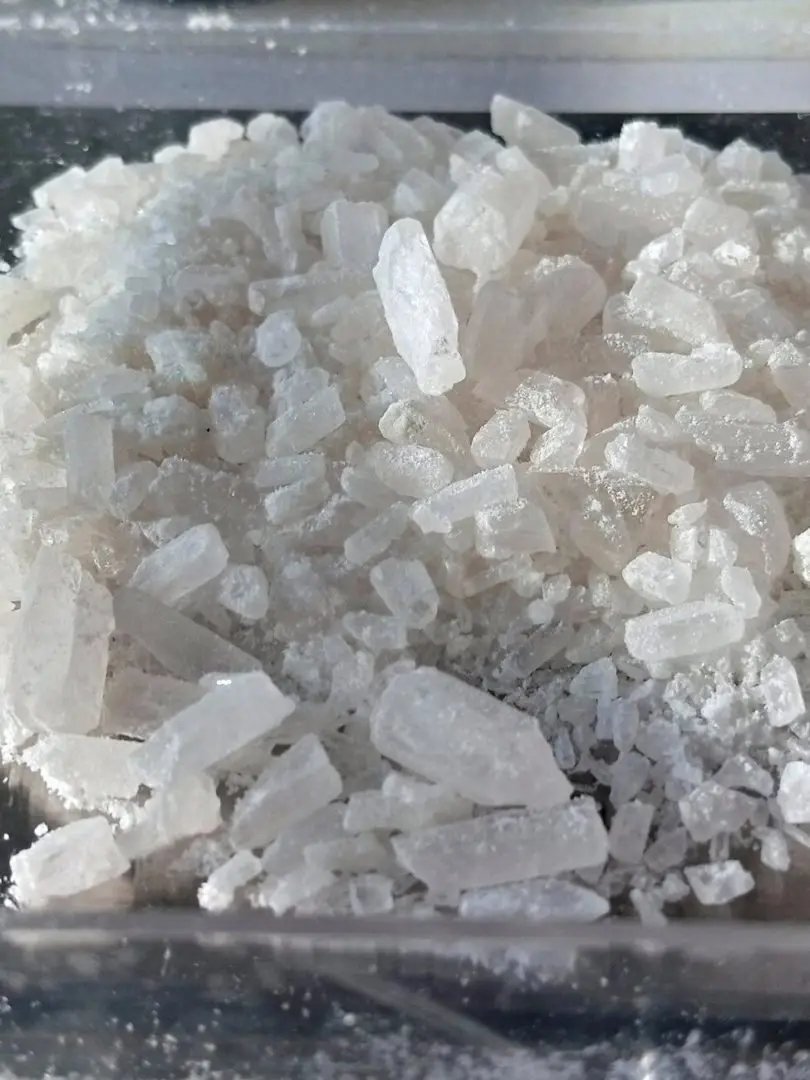
There is no legal retail system for recreational cannabis in Belgrade. Buying from an informal seller can expose a visitor to arrest, fraud, violence, or a product containing unknown substances. Police checks and border controls also create serious risks for anyone carrying cannabis around the city or taking it out of Serbia.
The result depends on the facts, including the amount, the circumstances, and whether authorities suspect personal possession or supply. Serbian law includes offences for unauthorized possession, production, and placing narcotic drugs into circulation. A small quantity does not guarantee that a person will avoid criminal proceedings, a fine, detention, or other penalties. Anyone facing police action should request a lawyer and avoid signing documents they do not understand.
Travelers should not bring medical marijuana or THC products into Serbia without written confirmation from the relevant Serbian authorities. The U.S. Department of State specifically warns that medical marijuana and THC products are prohibited at the Serbian border. CBD products may also raise questions depending on their ingredients, labeling, and THC content, so travelers should check with Serbian customs or the Medicines and Medical Devices Agency before departure.
A visitor can speak with a licensed doctor or a registered pharmacy about lawful treatment options. Serbian pharmacies can advise on non-controlled medicines, while a doctor can assess symptoms and refer the patient for appropriate care. People worried about cannabis use or dependence can contact the Institute for Mental Health’s addiction clinic in Belgrade or the Clinic for Addiction Diseases at the Special Hospital for Addiction Diseases. In an emergency, call 112 or contact local police at 192.
No. Recreational cannabis sales and possession are prohibited in Serbia, and purchasing from street sellers, social media accounts, or private contacts can lead to criminal proceedings. Serbian authorities treat unauthorised production, distribution, and possession as drug-related offences. Penalties can vary according to the amount, circumstances, and alleged purpose of possession. Visitors should not assume that informal sales are tolerated because cannabis may be available in some areas.
Do not bring medical cannabis, THC oils, edibles, or similar products into Serbia without written confirmation from the relevant Serbian authorities. A prescription issued abroad does not automatically permit entry, possession, or use. The U.S. Department of State specifically warns that medical marijuana and THC products cannot be brought into Serbia. Before travelling, contact the Serbian embassy or the Medicines and Medical Devices Agency of Serbia, provide the exact product name and ingredients, and request a written decision. Keeping cannabis products in checked luggage, hand luggage, or a vehicle may still create legal problems at the border.






