For Buy Weed Istanbul, the only safe recommendation is to avoid unlicensed sellers and street offers. Türkiye prohibits unauthorized possession, sale, import, and export of cannabis products; penalties can include arrest and lengthy imprisonment, including during transit at Istanbul Airport.
Do not carry THC, CBD, or plant material through Taksim, Sabiha Gökçen Airport, or any border crossing. Turkish Law No. 5237 addresses personal possession, while the Ministry of Foreign Affairs and U.S. State Department advise travelers to obtain prior approval for any controlled medicine and carry supporting prescriptions.
Do not carry, use, or seek cannabis products in Türkiye; the phrase "" creates no legal exception. Turkish law treats cannabis, resin, THC, CBD products, edibles, oils, vape cartridges, and related derivatives as controlled substances. Article 191 of Law No. 5237 provides a prison penalty of two to five years for purchasing, receiving, possessing, or using narcotic or psychotropic substances for personal use. A first investigation may involve a five-year postponement of prosecution with probation and treatment conditions, but breaching those conditions can lead to criminal proceedings.
Never pack these products in checked baggage or hand luggage, including during an airport connection. The U.S. Department of State specifically lists marijuana, cannabis, CBD, and THC derivatives as banned and warns that even small quantities may result in arrest and lengthy imprisonment. The UK Foreign, Commonwealth & Development Office reports possible sentences of four to 24 years and heavy fines for possession, use, or smuggling, including transit cases. Turkish Customs may also treat imported prescription products as prohibited controlled drugs.
Do not rely on a foreign medical card, a California prescription, or packaging marked “hemp.” Travelers carrying controlled medicines should contact a Turkish consulate and Türkiye’s Ministry of Health before departure, obtain written approval where required, and carry the original prescription and doctor’s letter. Do not accept a package from another passenger or leave luggage unattended; possession of a parcel can trigger investigation under Article 188, which covers supply, transport, storage, and trafficking. For police or medical emergencies, call 112 and request a lawyer before answering detailed questions.
Do not carry, purchase, consume, or share cannabis in Türkiye. Under Article 191 of the Turkish Penal Code, buying, receiving, or possessing narcotic substances for personal use carries two to five years’ imprisonment. A first investigation may be deferred for five years, usually with at least one year of probation and possible treatment. If the person uses or reacquires the substance during that period, prosecutors may open a criminal case.
The legal classification can change sharply if police allege supply rather than personal use. Article 188 covers selling, offering, transporting, storing, purchasing, or possessing narcotics for distribution, with a minimum sentence of ten years in prison and a judicial fine of up to 20,000 days. Selling or delivering to a minor raises the minimum imprisonment term to 15 years. Heroin, cocaine, morphine, and basemorphine cases receive a 50% increase; conduct near a school, hospital, dormitory, barracks, place of worship, or another public facility within 200 metres can trigger the same increase.
Authorities may treat messages, scales, packaging, multiple portions, cash, or contact with customers as evidence of distribution. Three or more participants can face a 50% increase, while organized criminal activity can double the penalty under Article 188(5). A foreign visitor arrested near Taksim Square, Kadıköy, Antalya, or Ankara may face detention, prosecution, confiscation, immigration consequences, and difficulty obtaining future Turkish visas. The U.S. Department of State warns that even small quantities can lead to long prison terms.
Do not transport cannabis through Istanbul Airport or carry it across a border, even during a flight connection. If detained, request a lawyer and an interpreter, avoid signing documents you cannot understand, and contact your consulate without discussing the facts publicly.
Do not carry, use, or transport cannabis in Türkiye; searches linked to “Buy Weed Istanbul” can lead to serious legal exposure for visitors and locals. Turkish National Police may conduct checks around Taksim Square, Istiklal Street, Kadıköy nightlife areas, Istanbul Airport, and Sabiha Gökçen International Airport. Official travel guidance warns that cannabis remains prohibited, including in small quantities, and that possession, use, smuggling, or transit through an airport may result in arrest, heavy fines, and prison sentences of 4 to 24 years.
Tourists can face passport retention, questioning, detention, court proceedings, removal orders, and problems obtaining future Turkish visas. A foreign passport does not create an exemption, and legal status in Canada, Germany, the Netherlands, or any U.S. state has no authority in Türkiye. Residents may also experience workplace searches, housing concerns, court supervision, and reputational harm. Police attention can increase after public consumption, disorderly behavior, or contact with street sellers near entertainment districts.
If officers stop you, remain calm, avoid physical resistance, request an interpreter, and ask to contact your embassy or consulate. U.S. citizens can request assistance from the U.S. Consulate General in Istanbul; British nationals can contact the British Consulate-General Istanbul. Consular staff cannot cancel charges or arrange release, but they can provide lawyer lists and explain local procedures. Call 112 for immediate emergencies, and do not sign a statement you cannot understand. Controlled medicines should remain in original packaging with a prescription and supporting medical documentation; verify approval before travel through Turkish authorities.
Do not send money, passport details, or a deposit before seeing a verifiable product and a legitimate business location. Anonymous sellers around Taksim Square, Kadıköy, Sultanahmet, and İstiklal Avenue often use Telegram or WhatsApp accounts with copied photos, newly created usernames, and urgent claims about limited availability. A request for cryptocurrency, gift cards, Western Union, or payment through a stranger should be treated as a likely fraud attempt.
Check whether the seller’s phone number, profile image, and wording appear across several unrelated accounts. Reverse-image search can reveal photos taken from licensed dispensaries in Canada or the United States. Fake accounts may also impersonate recognizable names such as Leafly, Sensi Seeds, or local delivery services without any verified connection. Never send a photograph of an identity document, hotel reservation, or bank card. Meetups proposed inside apartment blocks, parked vehicles, stairwells, or isolated streets create additional risks. Warning signTypical tacticSafer response
| Upfront deposit | “Courier” fee before details | Stop contact |
| Copied images | Foreign dispensary photographs | Reverse-search the image |
| Pressure | Five-minute payment deadline | Do not respond under urgency |
| Secret location | Hotel room or vehicle meetup | Leave and contact trusted support |
Keep screenshots, usernames, phone numbers, payment receipts, and meeting details. If money or personal data has already been sent, contact the bank or payment provider immediately, report the account to Telegram or WhatsApp, and call Turkey’s emergency number, 112, if threats, extortion, or physical danger are involved.
Do not use cannabis products without a sealed package, batch number, laboratory certificate, and verified producer. Unregulated flowers, oils, cartridges, and sweets may contain Aspergillus, Escherichia coli, or Staphylococcus aureus, along with pesticides, heavy metals, solvents, and unknown additives. The World Health Organization has reported microbial contamination in illicit plant material, while regulated supplies may undergo treatment that reduces this risk.
Before consuming any product, check the ingredient list and reject items with leaking cartridges, unusual coloring, chemical odors, missing dosage data, or handwritten labels. Unverified oils may contain vitamin E acetate or other thinners linked to severe lung injury. The U.S. Food and Drug Administration recorded more than 1,000 reports of lung injuries connected with THC vaping products, including deaths, and advised against cartridges obtained from informal sellers.
Synthetic compounds sold as K2 or Spice create a separate danger: their formulas can change between batches, and two packets carrying the same brand name may contain different chemicals. Reported outcomes include rapid heart rate, high blood pressure, chest pain, seizures, hallucinations, kidney injury, stroke, toxic psychosis, and death. A CDC review recorded 7,794 poison-center calls related to synthetic cannabinoids in 2015.
Seek emergency care after severe vomiting, breathing difficulty, confusion, fainting, seizure, chest pain, blue lips, or extreme agitation. Keep the package for clinicians and state the product type, amount, time of exposure, and seller location. Do not combine an unknown formulation with alcohol, opioids, sedatives, or prescription medicines, because interactions and potency cannot be predicted.
Do not send money or identification to anonymous sellers advertising cannabis through Telegram, WhatsApp, Instagram, or temporary websites. Such offers often use copied menus, stolen photos, fake customer reviews, and delivery promises that disappear after payment. A seller requesting cryptocurrency, gift cards, Western Union, or a “security deposit” provides no reliable buyer protection.
Unlicensed products may contain unknown concentrations of THC, synthetic cannabinoids, pesticides, mold, or other contaminants. Packaging can imitate recognized brands such as Cookies, Stiiizy, or California-based dispensary labels without proving origin. A logo, QR code, batch number, or laboratory certificate can be fabricated in minutes. Warning signLikely riskSafer response
| Payment before inspection | Non-delivery or theft | Do not transfer funds |
| “Customs” or “police” fee | Repeated extortion | Stop contact and save evidence |
| No verifiable license | Unregulated product | Use only lawful, licensed channels |
| Pressure to act quickly | Fraud or coercion | Pause and verify independently |
In Turkey, a social-media profile is not proof of authorization from the Turkish Ministry of Health or another competent authority. Google Maps reviews, follower counts, and screenshots of supposed deliveries can be manufactured. Never share passport scans, home access codes, banking details, or live location data. If money has already been sent, contact the bank, preserve usernames and transaction records, report the account to Telegram, WhatsApp, or Instagram, and contact local law enforcement. If an unknown product has been consumed and symptoms appear, call emergency services rather than accepting medical advice from the seller.
Use only a licensed physician, a TİTCK-authorized pharmacy, and a traceable prescription record. Search phrases such as Buy Weed Istanbul often lead to illegal sellers, counterfeit oils, or unverified clinics. Under Turkey’s controlled-substance framework, raw cannabis, flowers, resin, and informal THC products are not lawful medical supplies. Law No. 2313 remains the main narcotics-control reference, while the Turkish Medicines and Medical Devices Agency (TİTCK) supervises medicinal products.
The regulation published in Resmî Gazete on January 31, 2026 permits cannabis-derived medical products only after licensing, registration, and pharmacy distribution requirements are met. A patient must receive an assessment from an authorized doctor, obtain the required prescription through the Reçetem Bilgi Sistemi, and collect the product from a licensed pharmacy. Pharmacies cannot legally dispense these products without the relevant electronic prescription. RouteAuthorized bodyPatient requirement
| Domestic licensed medicine | TİTCK and a licensed pharmacy | Doctor’s evaluation and Reçetem prescription |
| Imported cannabinoid medicine | TİTCK, customs, and pharmacy channels | Prescription, medical report, and import approval where required |
| Research access | Ministry of Health and approved institution | Clinical-trial eligibility and informed consent |
Sativex, containing nabiximols with THC and CBD, is a named example of a prescription cannabinoid medicine internationally, but availability in Turkey must be confirmed through TİTCK and a pharmacy before treatment planning. Do not rely on social-media vendors, hotel deliveries, courier offers, or products labeled “CBD” without a Turkish license number.
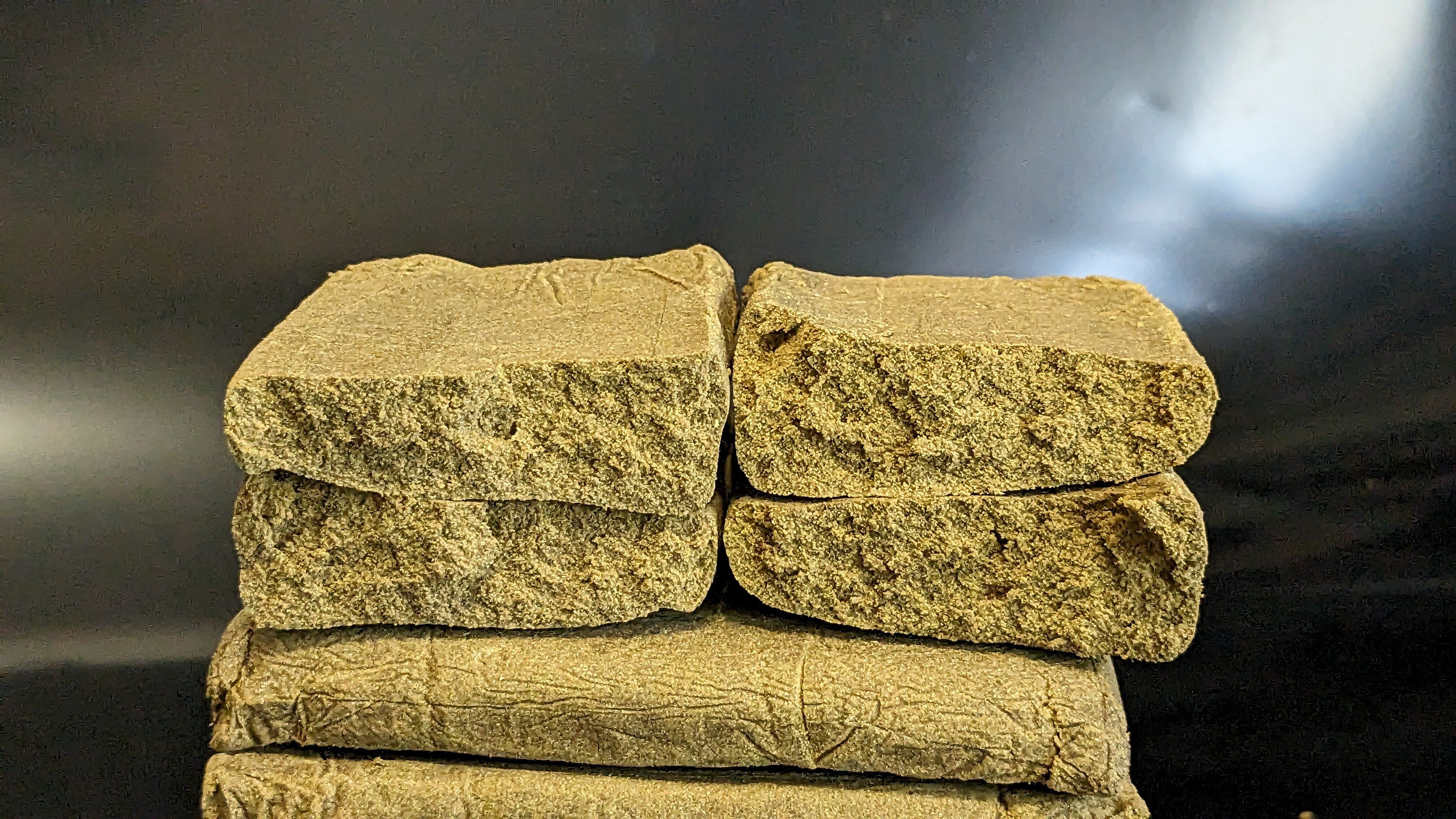
Do not place cannabis, THC oil, hashish, edibles, vape cartridges, or CBD products in checked or cabin baggage when flying to Türkiye. Turkish customs treats narcotic and psychotropic substances as controlled imports, while cannabis is specifically listed among prohibited goods. Foreign visitors may face arrest, confiscation, prosecution, and severe penalties; the UK Foreign, Commonwealth & Development Office warns that illegal drugs, including cannabis, carry severe consequences.
The phrase Buy Weed Istanbul should never be interpreted as permission to carry or purchase controlled products. A legal prescription from California, Canada, Germany, or another jurisdiction does not automatically authorize entry. For prescribed medicines, Türkiye’s Ministry of Trade states that travelers may need a doctor’s report, prescription, or medical document and may bring only a reasonable quantity for the stay. Obtain written approval from the Turkish Ministry of Health before departure, especially for cannabinoid-based treatment. ProductTravel positionRecommended action
| Flower, hashish, THC edibles | Prohibited or high-risk | Do not carry |
| CBD oil or gummies | Ingredient and THC status may trigger control | Leave behind unless formally approved |
| Prescription cannabinoid medicine | Documentation and authorization may apply | Contact Turkish authorities before flying |
| Empty vape hardware | Airline and battery rules apply | Check Turkish Airlines or Pegasus policies |
Transit creates a separate risk. A connection through Doha, Dubai, London Heathrow, or Frankfurt subjects baggage to the laws of the transit country, even when the final destination is elsewhere. Do not rely on labels such as “hemp,” “full-spectrum,” or “0% THC”; customs officers may inspect laboratory certificates, packaging, and contents. Keep ordinary prescription medicines in original packaging with supporting documents.
Choose a licensed hammam or hotel spa rather than an unregulated substance seller. The phrase “Buy Weed Istanbul” can lead to serious legal trouble: Turkish authorities treat cannabis possession, use, and smuggling as criminal offences, with possible prison terms of 4–24 years and heavy fines.
For a traditional reset, book Hürrem Sultan Hamamı near Hagia Sophia or Cağaloğlu Hamamı in Sultanahmet. A standard session usually includes heated marble, a kese exfoliation, foam wash, and rest time. Ask whether oil massage, private rooms, towels, and gratuity are included before payment. Prices change by season, package length, and currency. VenueAreaPublished optionApproximate price
| Hürrem Sultan Hamamı | Old City | 45-minute Pir-ü Pak ritual | From €110 |
| Cağaloğlu Hamamı | Sultanahmet | 45-minute scrub and foam package | About €90 |
| Four Seasons Bosphorus Spa | Beşiktaş | Traditional Turkish hammam, 45 minutes | €220 |
| Four Seasons Bosphorus Spa | Beşiktaş | Premium hammam, 60 minutes | €250 |
Four Seasons Hotel at the Bosphorus suits visitors who want a controlled hotel setting, treatment rooms, fitness facilities, and Pilates. Its menu lists a 45-minute traditional hammam at €220 and a 60-minute premium version at €250. For a lower-cost local experience, compare neighborhood baths in Üsküdar, Kadıköy, or Fatih, then confirm the current tariff directly with the venue.
No. Cannabis, marijuana, THC products, and related substances are prohibited in Türkiye, including Istanbul. Buying, possessing, using, or carrying cannabis can lead to criminal proceedings. Turkish law provides prison sentences for possession intended for personal use, while selling or distributing drugs carries much harsher penalties.
Tourists should not attempt this. A person offering cannabis may be trying to scam, rob, or involve the buyer in a police operation. Foreign visitors are subject to Turkish law, and their nationality does not create an exception. Do not ask taxi drivers, hotel staff, street sellers, or social-media accounts for cannabis.
A small quantity is not automatically treated as harmless or permitted. Under Article 191 of the Turkish Penal Code, buying, receiving, possessing, or using a drug for personal use may carry a prison sentence of two to five years. Courts may apply procedures such as supervised treatment or delayed prosecution in some cases, but the result depends on the facts and the authorities involved.
Do not bring cannabis-related products across the Turkish border unless you have confirmed written permission from the relevant Turkish authorities. Products sold legally in another country may still be banned in Türkiye. This applies to CBD oil, THC medicine, gummies, vape cartridges, flowers, and similar items. A prescription from another country does not by itself guarantee entry. The U.S. Department of State specifically warns that marijuana, CBD, THC products, and derivatives are banned in Türkiye.
Speak with your doctor before travelling and ask about lawful alternatives that can be carried with the required documents. Contact the Turkish consulate, your airline, and Turkish customs before departure for a written answer about any prescription medicine. Do not purchase cannabis from an unofficial seller, and do not carry another person’s package. If you are already in Istanbul and feel unwell after taking an unknown substance, call emergency services or go to a hospital, and tell medical staff what you consumed.
No. Buying, selling, possessing, or carrying cannabis in Istanbul is illegal. Turkish authorities also prohibit cannabis products containing THC, as well as CBD products and related derivatives. A small amount is not treated as safe for visitors, so tourists should not assume that rules from their home country apply in Türkiye.
There are no legal recreational cannabis shops for tourists in Istanbul. I can’t provide seller contacts, locations, prices, or instructions for obtaining illegal drugs. Street offers may involve scams, theft, police operations, or substances that are not what the seller claims. The safest choice is to avoid such offers and leave the area if someone pressures you.
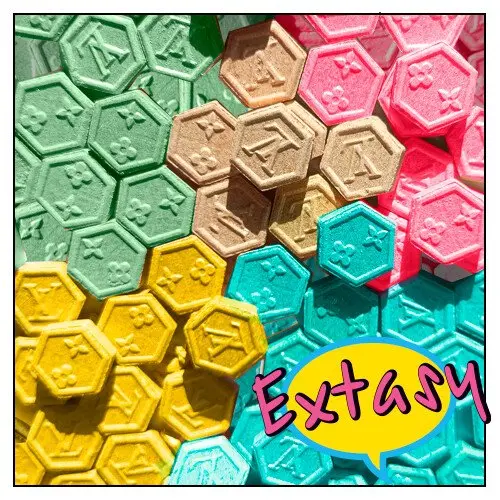
Do not bring them into Türkiye. Turkish customs lists narcotics and cannabis among prohibited goods, while U.S. travel guidance states that marijuana, CBD, THC products, and their derivatives are banned. This applies even when the product was purchased legally abroad or contains only a small amount. Airport and border checks can lead to detention, criminal proceedings, and serious travel problems.
Do not handle the product, agree to a meeting, or follow the person to another location. Say no, keep your phone and wallet secure, and move toward a busy public place such as a hotel lobby, staffed café, or police desk. If you feel threatened, contact local police or your country’s consulate. Visitors should also avoid photographing or publicly accusing the person, since that may increase the risk of confrontation.
Medical treatment in Türkiye is regulated and does not give visitors a general right to carry cannabis products. Before travelling, ask a Turkish consulate, the Turkish Ministry of Health, and your doctor about any prescribed medicine, required documents, and permitted quantities. Keep medicines in their original packaging and carry a prescription, but do not assume that a foreign prescription makes cannabis, CBD, or THC products lawful at the border.
No. Buying, possessing, using, or carrying cannabis in Istanbul is prohibited under Turkish law. This includes marijuana, hashish, CBD, THC products, and related derivatives. Foreign visitors are subject to the same rules as residents. Official travel guidance warns that drug offences may lead to arrest, heavy fines, and prison sentences ranging from 4 to 24 years, depending on the offence. Do not carry cannabis through an airport, across a border, or in personal luggage.
Refuse the offer, avoid handling the package, and leave the area. Street sellers may present unknown substances as cannabis, and accepting or carrying them can create legal and personal safety problems. Do not take cannabis into Türkiye or attempt to leave the country with it, including during an airport connection. If you use cannabis for a medical condition, speak with a licensed doctor before travelling and check the rules for any prescribed medicine with the Turkish consulate or your airline.
Каждая партия проходит контроль. Мы знаем, что продаём, и отвечаем за это.