For Buy Weed Marrakech, skip street sellers and rely only on information from Morocco’s National Agency for the Regulation of Cannabis Activities (ANRAC). Law No. 13-21 limits authorized cannabis activity to medical, pharmaceutical, and industrial purposes; recreational possession and use remain subject to serious legal risks.
In Guéliz, the Medina, and around Jemaa el-Fnaa, avoid unsolicited offers and counterfeit products. For trouble, contact Marrakech tourist police at 05 24 38 46 01 or 05 24 88 86 80; the lines operate 24 hours.
Visitors should not purchase, carry, consume, or transport recreational cannabis in the Red City, including around Jemaa el-Fnaa, the Medina, Gueliz, and Marrakech Menara Airport. Moroccan authorities treat unauthorized possession, use, sale, and trafficking as criminal matters; the UK Foreign, Commonwealth & Development Office warns that drug offences can result in long prison sentences and heavy fines, including during transit.
Law No. 13-21 did not legalize recreational access. It created a controlled framework for medical, pharmaceutical, and industrial activity supervised by the National Agency for the Regulation of Cannabis Activities (ANRAC). Licensed cultivation is limited to Al Hoceima, Chefchaouen, and Taounate, while non-medical industrial products must meet a THC limit of 1%. These rules do not authorize visitors to buy hashish from street sellers, riads, cafés, or informal guides. SituationVisitor positionRisk
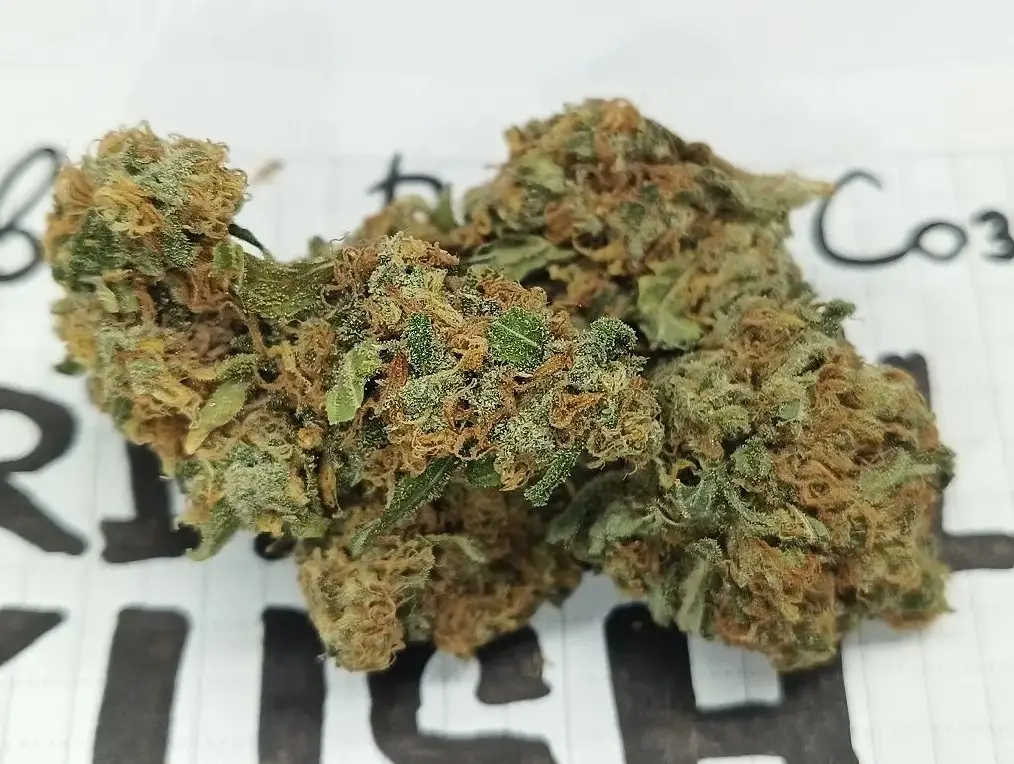
| Licensed medical or industrial product | Only through an authorized Moroccan operator | Check ANRAC labeling and authorization |
| Hashish bought in the Medina | Unauthorized recreational purchase | Arrest, prosecution, fines, imprisonment |
| Carrying products to Spain, France, or the United States | Illegal export and import exposure | Border seizure and criminal charges |
| Use in a hotel, villa, or public space | Not made lawful by private accommodation | Police action and possible detention |
Do not photograph police activity, accept packages for strangers, or leave any cannabis product in luggage. If questioned, request consular assistance and contact a Moroccan lawyer before signing documents. ANRAC-authorized products must display an authorization number, product details, sender, recipient, and official logo.
Choose only a sealed product sold through a verifiable medical, pharmaceutical, or industrial channel. Morocco’s Law No. 13-21 does not create a recreational retail market for hashish. The National Agency for the Regulation of Cannabis-Related Activities (ANRAC) authorizes cultivation, processing, transport, and marketing under controlled conditions, with traceability records required for licensed operators.
A legitimate package should identify the producer, Moroccan authorization details, batch or lot number, net weight, cannabinoid content, production date, and a route for verification. Medical products may also require registration linked to the Moroccan Agency for Medicines and Health Products (AMMPS). A loose resin block, handwritten label, anonymous pouch, or seller’s promise of “Ketama Gold” offers no reliable proof of origin. Products associated with Chefchaouen, Taounate, or Al Hoceima are not automatically licensed; location alone proves nothing. CheckLicensed productUnregulated product
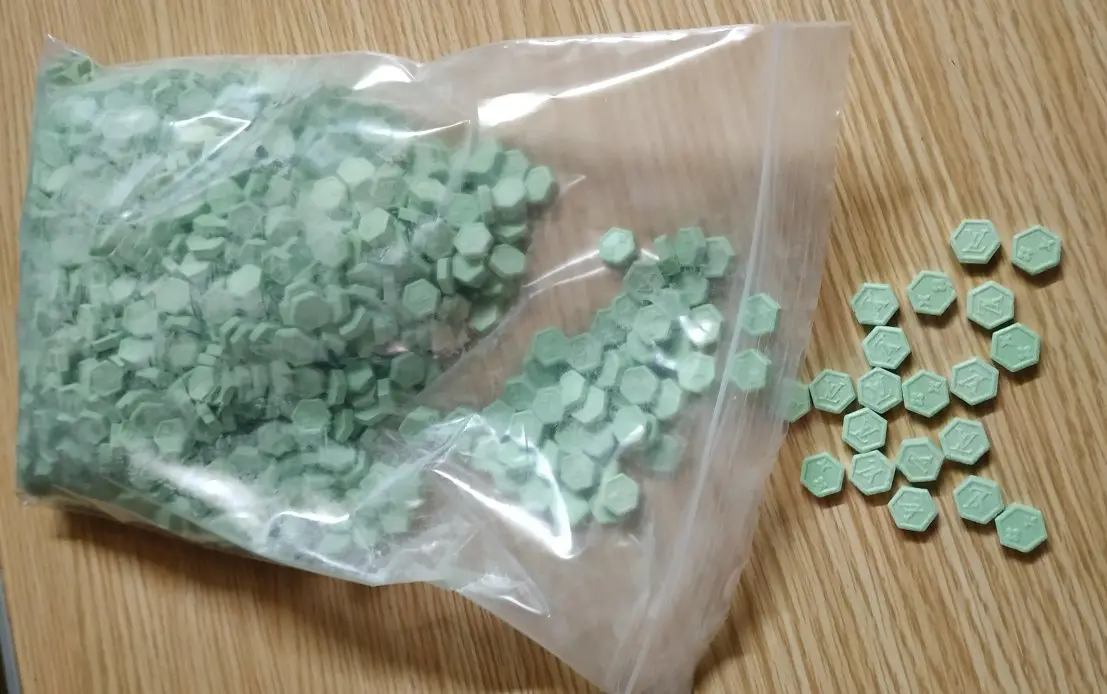
| Packaging | Sealed, printed, tamper-evident | Loose wrap, foil, or plastic bag |
| Traceability | Producer, batch code, dates, weight | No verifiable records |
| Claims | Medical, pharmaceutical, or industrial use | Recreational promises or “strongest” claims |
| Testing | Declared cannabinoid profile and quality controls | Unknown THC, CBD, contaminants, or additives |
Do not rely on color, aroma, softness, or a vendor’s claimed THC percentage: these features can be altered or misrepresented. Avoid any offer made in a riad, souk, taxi, hotel, or social-media chat. ANRAC states that products marketed as official cannabis goods must comply with Law No. 13-21; an unlicensed item can expose the holder to seizure, detention, and prosecution.
Refuse street offers near Jemaa el-Fnaa, Koutoubia Mosque, and the Gueliz nightlife area; walk into a hotel, café, or police-facing public space instead. A common setup begins with a stranger offering “premium hash” for 200–500 Moroccan dirhams, then leading visitors into a side street where extra people demand money, threaten exposure, or claim the product belongs to someone else.
Another scheme uses Instagram, Telegram, or WhatsApp profiles with stolen photos and names such as “Atlas Tours” or “Riad Kniza.” The contact requests a deposit through a cash-transfer service, promises delivery near La Mamounia, then disappears. Some sellers provide tobacco, herbs, or low-grade resin in branded packaging copied from California companies such as Cookies or Raw; logos and packaging prove nothing. Scam patternWarning signSafer response
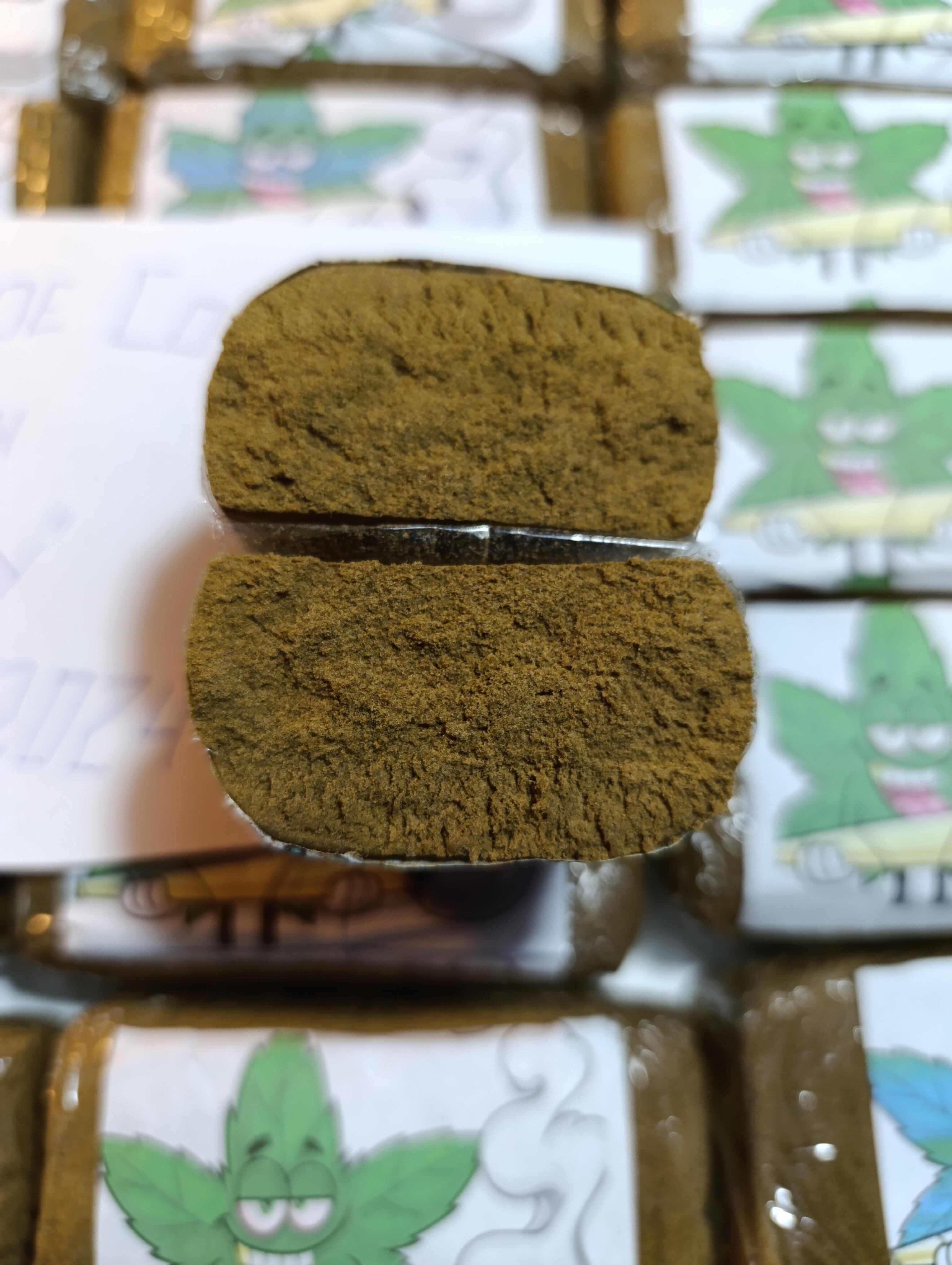
| Street escort | Demand to enter a car or alley | Decline and return to a busy venue |
| Online delivery | Advance payment or passport request | Stop contact; save screenshots |
| Police impersonation | Cash demand without identification | Ask for an official station and contact DGSN |
| Counterfeit product | Sealed pouch with copied branding | Do not consume it |
Do not carry packages for strangers, photograph alleged police credentials, or argue with a group. Keep your passport secured at your accommodation, share your location with a trusted person, and contact hotel staff or Morocco’s police service if threats arise. A genuine licensed guide will not promise prohibited products, demand secrecy, or pressure you to leave a public place.
Do not use an unlabelled cannabis product when its THC level, additives, or origin cannot be verified. Unknown strength makes dose control unreliable and can trigger panic, vomiting, fainting, rapid heartbeat, impaired coordination, or dangerous confusion. The CDC reports that concentrated THC products are associated with more severe cannabis use disorder symptoms, while edible products carry a higher poisoning risk because effects may appear slowly.
High-THC material can produce anxiety, paranoia, disorientation, hallucinations, and temporary psychosis. The CDC notes that links with psychotic disorders are stronger among people who begin early or use frequently. A person with a personal or family history of schizophrenia, bipolar disorder, severe anxiety, or heart disease faces added concern. Do not combine cannabis with alcohol, sedatives, stimulants, or prescription medicines without medical advice.
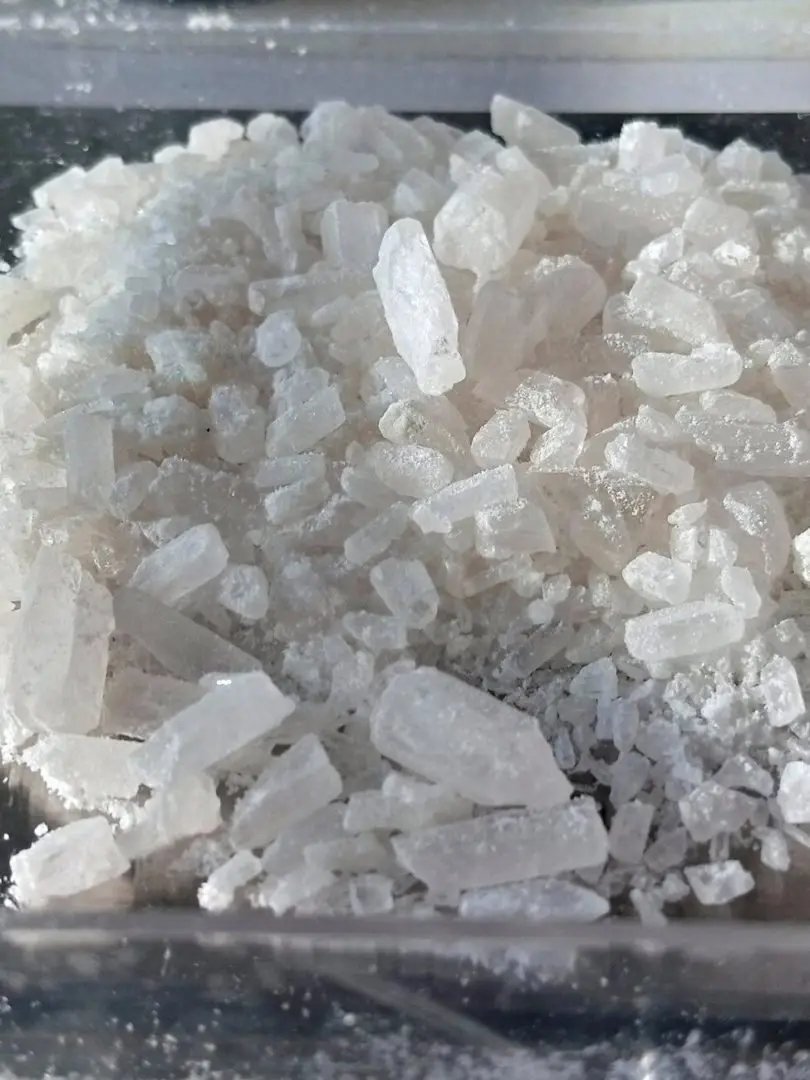
Unknown products may also contain synthetic cannabinoids such as K2 or Spice, pesticides, solvents, heavy metals, or other undeclared chemicals. CDC investigations associate synthetic cannabinoids with seizures, severe agitation, hallucinations, kidney injury, heart attacks, and respiratory depression. Their effects can be far less predictable than those of plant-derived THC.
Do not smoke or display cannabis in public areas such as Jemaa el-Fna, the Medina, Menara gardens, taxi ranks, cafés, or hotel entrances. Moroccan law treats unauthorized use as a criminal matter, and a visible act can attract police attention, witness reports, questioning, and a search. Article 8 of Dahir No. 1-73-282 provides for two months to one year in prison and a fine of 500–5,000 Moroccan dirhams, or either penalty, for unlawful use.
Law No. 13-21, adopted in 2021, did not create a recreational-use permit for visitors. It established licensed medical, pharmaceutical, and industrial activities supervised by ANRAC, the National Agency for the Regulation of Cannabis-related Activities. A product sold informally near Marrakech-Safi is not made lawful by a seller’s claim, packaging, or reference to “medical” use.
Public smoking can also turn a use allegation into a possession or supply investigation. Carrying several packets, sharing a joint, accepting cash, or storing material for another person may lead authorities to examine possession, facilitation, transport, or trafficking. The 1974 framework lists substantially harsher sanctions for unlawful holding, production, transport, or distribution than for use alone.
Tourists should keep all consumption-related behavior private and avoid carrying cannabis through Marrakech Menara Airport, train stations, ports, or border checkpoints. The UK Foreign, Commonwealth & Development Office warns that possession, use, and trafficking are serious offences with severe penalties; consular assistance cannot cancel Moroccan proceedings or secure release.
Say “No, thank you” once, keep walking, and avoid discussing quality, quantity, prices, or meeting points. Do not follow a seller into a side street, car, riad, café, or private apartment. Around Jemaa el-Fnaa, the Medina gates, and taxi ranks near Gueliz, keep your phone and wallet concealed, maintain distance, and stay beside companions. The phrase Buy Weed Marrakech can attract unsolicited approaches online and in person, but responding to such offers may expose visitors to serious legal and personal risks.
Do not touch packets, accept samples, photograph sellers, or allow anyone to place an item in your bag or pocket. If a person continues after refusal, use a firm sentence: “I am not interested. Please leave me alone.” Enter a busy, reputable location such as Café de France, La Mamounia, or the Royal Mansour rather than confronting the person. Tell hotel reception or a licensed guide what happened and note the time, clothing, and exact location without pursuing the seller. Possession, use, or trafficking of illegal drugs in Morocco can lead to severe penalties, including imprisonment.
Keep a charged phone, hotel address, passport copy, and travel-insurance details separate from your wallet.
Call 141 for SAMU Marrakech or 150 for ambulance and fire services if the person has trouble breathing, chest pain, seizures, severe confusion, repeated vomiting, fainting, or cannot be awakened. Give the operator the exact riad, hotel, street, or landmark. A person who is unconscious but breathing should be placed on their side, kept away from traffic and water, and watched continuously. Do not give alcohol, sedatives, more cannabis, or food to someone who is drowsy or vomiting.
For visitors searching “Buy Weed Marrakech,” an unexpected reaction may involve panic, rapid heartbeat, dizziness, hallucinations, or dangerous loss of coordination. Stay calm, reduce noise and bright light, speak in short reassuring sentences, and do not let the person travel alone or drive. Tell clinicians the product form, estimated amount, time taken, whether it was edible or inhaled, and any medicines, alcohol, stimulants, or unknown substances used. Do not hide consumption; accurate information helps clinicians assess poisoning and choose observation or treatment.
Go to a hospital without delay when symptoms worsen or last several hours. Public options include Hôpital Mohammed VI and other major facilities in the city; private transport may be faster where ambulance availability is limited. Morocco’s Allo Intoxication line is 0801000180. Keep the package, label, receipt, or a photograph of the product for medical staff. Travelers should carry identification, insurance details, and cash because treatment may require payment before discharge.
Choose a licensed rooftop café or book dinner at Le Comptoir Darna instead of seeking unregulated substances; keep your passport secured and use a registered taxi after dark. ""
For a calmer evening, visit Jemaa el-Fnaa with a local guide, attend a Gnawa performance, or schedule a hammam session. These options support legitimate businesses, reduce legal risk, and offer a more respectful experience for residents and visitors.
No. Buying, possessing, using, or selling cannabis is illegal in Morocco, including Marrakech. Moroccan authorities take a strict approach to drug offences, and visitors may face arrest, fines, imprisonment, or deportation. The fact that cannabis is associated with parts of Morocco does not make a purchase legal for tourists.
Some visitors may be approached by street sellers or hear claims about local cannabis products. Such offers are not proof that the transaction is permitted. They may involve scams, police operations, poor-quality substances, or pressure to pay extra money. A visitor has no reliable way to confirm the source or contents of an illegal product, so the safest choice is to refuse and leave the area.
Say no clearly, avoid showing interest, and continue walking toward a busy public place. Do not enter a vehicle, private room, or unfamiliar shop with the person. Do not accept a package, carry an item for someone else, or let anyone place something in your bag. If you feel threatened, contact your hotel staff, local police, or your embassy. Foreign travellers can be detained for suspected offences, including offences committed by mistake.

Do not assume that a prescription from another country is accepted in Morocco. Cannabis products, CBD preparations, oils, edibles, and related medicines may create problems at customs or during a police check. Before travelling, ask the Moroccan embassy or consulate about the exact product and carry only medicines that have been cleared under local rules. Never place cannabis products in checked luggage or hand luggage without written confirmation from the relevant authorities. U.S. travellers should also check the rules of every country on their route home.
Choose activities that do not involve prohibited substances, such as a licensed hammam, a guided food tour, live music at a lawful venue, a cooking class, a desert excursion, or a licensed restaurant serving alcohol. Keep alcohol inside permitted venues and follow local rules on public conduct. If you take prescription medicine, carry the original packaging and supporting documents, then confirm its status before departure. This approach reduces the risk of arrest, lost travel plans, and problems at the airport.
No. Recreational cannabis remains illegal in Marrakech and throughout Morocco. Possessing, using, selling, or transporting cannabis can lead to arrest, prison sentences, and heavy fines. Morocco’s regulated cannabis framework covers medical, pharmaceutical, cosmetic, and industrial uses under official authorization; it does not create a legal market for tourists to purchase weed for personal use.
The confusion comes from Law No. 13-21, which allows tightly controlled cannabis activities for medical, pharmaceutical, and industrial purposes. Cultivation is limited to designated provinces and licensed operators, with oversight from Morocco’s National Agency for the Regulation of Cannabis Activities. This system is separate from recreational sales in Marrakech, so a product connected with the legal industry should not be treated as permission to buy or smoke cannabis privately.
Decline calmly, avoid arguing, and continue toward a busy public place or your accommodation. Do not enter a car, shop, or unfamiliar building with a stranger, and do not accept a package or carry anything for another person. Unlicensed sellers may create risks of robbery, scams, police trouble, or exposure to an unknown substance. British travel advice states that possession, use, and trafficking of illegal drugs, including cannabis, are serious offences in Morocco.
You should not do so. Crossing a border with cannabis can create a separate customs and criminal matter, even if the substance is permitted where you live. This applies to flower, hashish, edibles, oils, vape cartridges, and some prescription products. Medication that is legal in the United States may still be restricted abroad, so travelers using medical cannabis should check with the Moroccan embassy or consulate before departure and carry only medicines approved for entry.
Some cannabis-based products may fall within Morocco’s regulated medical, pharmaceutical, cosmetic, or industrial system, but that does not mean every CBD oil, edible, cream, or vape sold to tourists is authorized. Ask for proof that the product comes from a licensed Moroccan operator and confirm its status with the relevant Moroccan health or cannabis authorities. Avoid products with unclear labels, unknown THC content, or claims that they can be used without a prescription or medical approval.
Каждая партия проходит контроль. Мы знаем, что продаём, и отвечаем за это.






