For Buy Weed Zagreb, start with Croatian law, not street sellers: possession for personal use is a misdemeanor, while supply and trafficking remain criminal offences. The Croatian Ministry of Justice confirms that no fixed personal-use quantity applies, so each case depends on the circumstances.
Medical cannabis follows a separate route through licensed healthcare providers and pharmacies under Ministry of Health rules. Products with up to 0.2% THC may qualify as industrial hemp, but that threshold does not legalize recreational sales. Travelers carrying prescribed medicine should keep medical documents; Croatia permits only limited quantities for treatment.
Choose only a licensed pharmacy and a doctor-approved treatment route. As of October 7, 2026, Croatia has no lawful retail channel for recreational THC flower, resin, or edibles. Personal possession is treated as a misdemeanour rather than a criminal offence, but it can still bring a fine of roughly €650–€2,600 or up to 90 days’ detention; Croatian authorities do not set a guaranteed “personal-use” quantity, so 5 grams is not a safe legal threshold.
For medical access, speak with a Croatian physician and use a pharmacy supplied through the regulated system overseen by the Ministry of Health and HALMED. Do not rely on street sellers, Telegram listings, hotel deliveries, or unsealed products: strength, contaminants, and THC content cannot be verified. Driving after use is also risky; police reports show drug-impaired driving can lead to separate traffic penalties and licence restrictions. Product typeAccess statusPractical advice

| Recreational THC flower or resin | Illegal retail sale | Avoid street transactions |
| Prescribed cannabinoid medicine | Medical route through a pharmacy | Carry the prescription and packaging |
| Industrial hemp | Permitted varieties up to 0.2% THC | Check batch documentation |
| CBD oil or extract | Food and supplement sales face EU Novel Food limits | Verify regulatory status before purchase |
HZJZ warns that CBD oils may contain undeclared THC, while Croatian drug schedules exclude only qualifying industrial-hemp varieties at or below 0.2% THC. The safest checks are a Croatian label, batch number, laboratory certificate, and a pharmacy receipt; absence of these signals should end the transaction.
Visitors should not carry cannabis across Croatia’s border, use it in public, or rely on foreign medical prescriptions without prior confirmation from Croatian authorities. Personal possession is generally treated as a misdemeanour rather than a criminal offence, but the penalty can reach EUR 650–2,600 or up to 90 days’ imprisonment. Croatian courts assess the quantity and circumstances; there is no publicly fixed “safe” personal limit.
Article 190 of the Croatian Criminal Code treats unauthorised production, import, export, cultivation, transport, or possession intended for sale as a criminal offence. Selling or supplying another person creates much greater exposure than simple possession. Article 191 also covers enabling another person’s consumption, including providing premises. These rules apply equally to tourists, temporary residents, Croatian citizens, and permanent residents. SituationPractical legal position
| Personal possession | Misdemeanour; fine of EUR 650–2,600 or possible detention up to 90 days |
| Sale, supply, or import for sale | Criminal offence; imprisonment may apply |
| Medical product for visitors | Carry only with prescription, medical history, and physician documentation; narcotic medicines are generally limited to five days |
| Medical product for Croatian residents | Residents travelling within the Schengen Area may carry up to 30 days’ supply with the prescribed Croatian certificate |
The Croatian Customs Administration requires documentation for medicines containing narcotic substances. A foreign prescription alone may not prevent seizure at Franjo Tuđman Airport, the Port of Split, or a land crossing. Residents should obtain the prescribed certificate before Schengen travel; visitors should contact Croatian Customs Administration and the Ministry of Health before arrival.
Eligibility begins with an assessment by a Croatian physician authorized to prescribe medicines. The patient should bring diagnostic records, previous treatment results, current medication details, and evidence of persistent symptoms. Licensed doctors may consider cannabinoid therapy for selected cases involving multiple sclerosis, cancer-related symptoms, epilepsy, or AIDS-related complications, especially where standard treatment has not produced sufficient relief. The Croatian Ministry of Health introduced regulated prescribing in 2015, while HZZO listed cannabidiol as a prescription medicine in 2026.
Use a provider recorded in the National Register of Healthcare Providers maintained by HZJZ. A private clinic or hospital may arrange the consultation, but the prescription must be issued by a doctor authorized under Croatian prescription rules. Dispensing takes place through a pharmacy, not an unlicensed seller or informal online source. Products may contain THC, CBD, or both; Sativex, containing nabiximols, is a recognized example used for multiple-sclerosis spasticity. Patient situationProvider reviewPossible route
| Multiple sclerosis | Neurological diagnosis and symptom assessment | Specialist recommendation; cannabinoid prescription may be considered |
| Cancer treatment | Oncology records and symptom history | Adjunct treatment for selected symptoms |
| Epilepsy | Seizure pattern and existing therapy review | Neurologist-led evaluation |
| CBD-only treatment | Medical indication and product suitability | Prescription medicine through a pharmacy |
Ask the provider to document the diagnosis, product name, THC/CBD strength, daily dose, treatment duration, driving restrictions, and follow-up date. HZZO reimbursement is not automatic; coverage depends on the medicine’s listing and applicable medical criteria. If the product is not covered, request the pharmacy’s current regulated price before accepting the prescription.
Choose a licensed pharmacy or clinic that requires a valid prescription, records the prescriber’s details, and issues a Croatian receipt. A legitimate provider will not promise instant access, sell controlled products through social media, or offer anonymous delivery. Search the Croatian Medical Chamber directory for the doctor’s name and valid licence; its public register lists physicians and their licensed fields.
For searches involving Buy Weed Zagreb, treat promotional websites as unverified until their legal identity is confirmed. The pharmacy should display its registered business name, physical address, telephone number, OIB, pharmacist’s name, and dispensing conditions. Prescription medicines in Croatia are supplied through pharmacies, while physicians must be authorised to prescribe them.
Provider signAuthorized serviceWarning sign
| Prescription | Required for controlled medicine | “No prescription needed” |
| Product details | Batch, expiry, leaflet, receipt | Unlabelled oil or flowers |
| Doctor verification | Listed in the HLK register | Anonymous consultant |
| Premises | Registered pharmacy address | Telegram-only sales |
Recognized pharmacies may include branches operated by Zagreb City Pharmacy, a medical institution contracted with the Croatian Health Insurance Fund. Product availability can change, so call the branch before visiting and ask whether the prescribed item is currently stocked.
For any Buy Weed Zagreb search, verify the label before considering a cannabis-derived product: it should state the exact THC and CBD quantity, product type, net weight or volume, batch number, producer, country of origin, and laboratory test date. THC is psychoactive; CBD is non-intoxicating, but hemp extracts may still contain measurable THC. A generic “full-spectrum” claim is not a substitute for cannabinoid figures or a certificate of analysis.
In Croatia, industrial hemp refers to Cannabis sativa L. with total THC of 0.2% or less under the national framework. Food labeling also follows EU controls for Δ9-THC equivalents. Regulation (EU) 2022/1393 sets maximum levels of 3.0 mg/kg for hemp seeds and processed seed products and 7.5 mg/kg for hemp-seed oil. HZJZ states that CBD oils and hemp extracts are not authorized for food or food supplements as novel-food ingredients, while registered cannabidiol medicines such as Epidyolex follow pharmaceutical rules. Product categoryLabel details to checkRegulatory point
| Hemp seeds | Origin, lot, net weight, Δ9-THC compliance | EU limit: 3.0 mg/kg |
| Hemp-seed oil | Volume, batch, THC result, storage advice | EU limit: 7.5 mg/kg |
| CBD cosmetic | INCI ingredients, responsible person, volume, expiry or PAO, batch | No therapeutic claims; EU Cosmetics Regulation applies |
| Prescription medicine | Active ingredient, strength, dose, authorization holder, leaflet | Pharmacy-only controls may apply |
Cosmetic packaging should identify the responsible person, nominal content, precautions, batch reference, product function, and ingredients using INCI names, as required by Croatia’s Ministry of Health. Do not rely on “0% THC” unless an independent report confirms the result and the testing method is stated.
Do not smoke cannabis on streets, in squares, parks, public transport areas, or outside venues. Ban Jelačić Square, Tkalčićeva Street, Maksimir Park, Jarun Lake, and the area around Zagreb Main Station are public spaces where visible consumption can attract police attention, complaints, or a public-order procedure. Croatian authorities treat drug possession for personal use as a misdemeanour rather than a criminal offence, but consumption in public can also be assessed as conduct disturbing peace, movement, or ordinary public life.

Police may confiscate the substance and related items during a procedure. Croatian law does not set one fixed personal-use quantity; officers and courts assess the circumstances, packaging, location, and suspected intent. A small amount does not automatically remove legal risk, especially near schools, youth facilities, sports grounds, or places used by children. The Criminal Code provides prison penalties for enabling another person’s use, with higher exposure when minors or educational settings are involved.
Private accommodation is less exposed than a pavement or park, yet landlords, hotels, hostels, and short-term rental operators may prohibit smoking, odors, or possession under house rules. Never use cannabis on a balcony facing a busy street, near children, or in shared corridors. Keep distance from schools such as XV Gymnasium and sports venues including Arena Zagreb. Driving after consumption creates a separate traffic-safety risk, while disorderly conduct may lead to a fine or detention of up to 30 days under public-order rules.
Use only authorized pharmacies, clinics, or regulated dispensaries that provide sealed packaging, batch numbers, ingredient details, and independent laboratory results. Avoid cash-only sellers, anonymous messaging accounts, and products with missing labels or unusually low prices.
Counterfeit cannabis may contain synthetic cannabinoids, pesticides, heavy metals, or excessive THC, causing poisoning, panic, or lasting health problems. Report suspicious products to Croatian authorities or the European Union Drugs Agency, and seek urgent medical care for chest pain, seizures, severe confusion, or breathing problems.
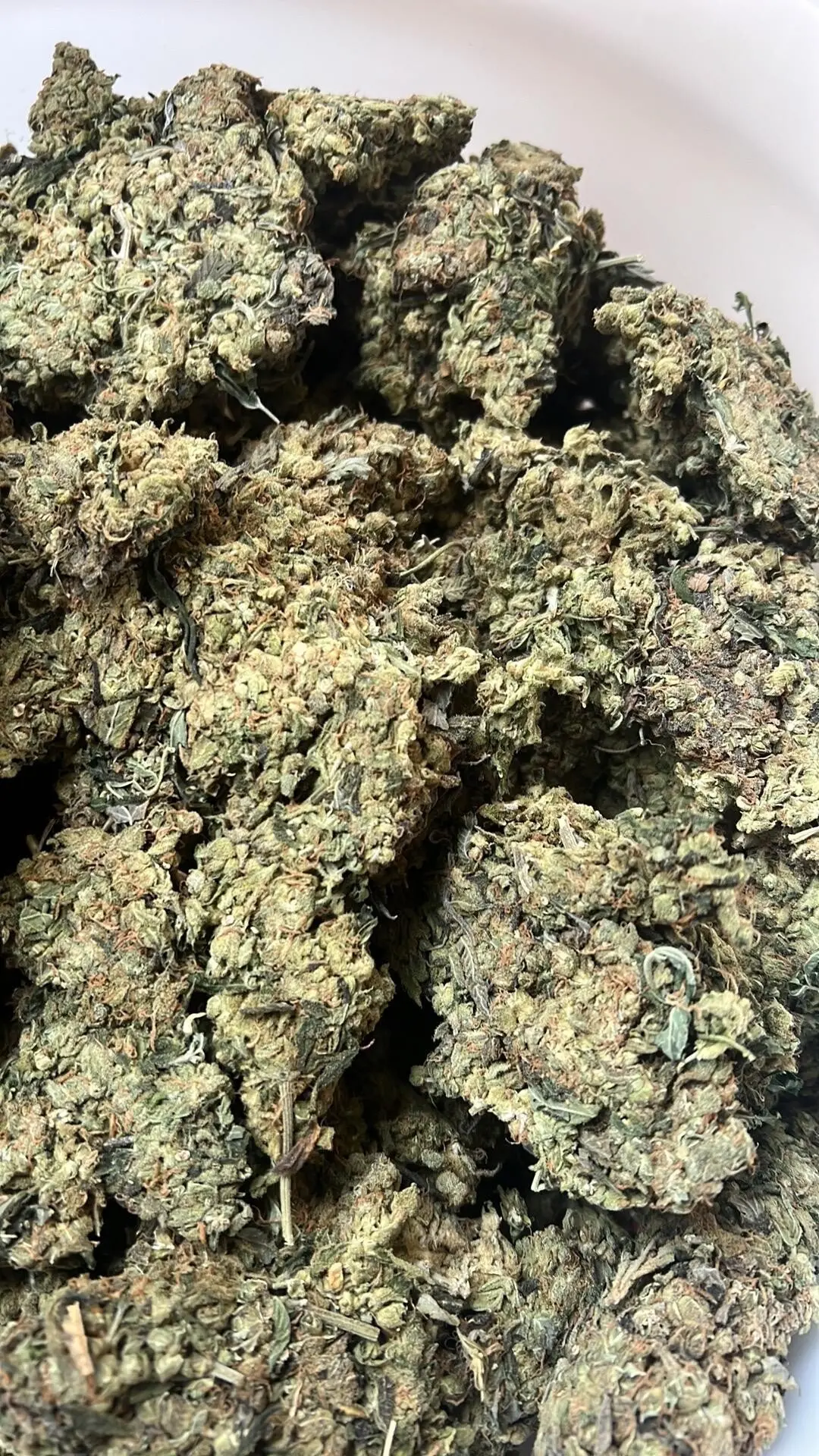
There is no legal retail market for recreational cannabis in Zagreb. Possession for personal use is treated as a misdemeanor, while selling, supplying, or encouraging drug use can lead to criminal penalties. Buying from an unknown seller also creates risks involving scams, contaminated products, theft, and police action.
Tourists should not rely on street contacts, social media accounts, messaging groups, or informal delivery offers. These channels are not licensed retail services, and a seller’s claims about strain, THC content, or product safety cannot be verified easily. A safer option is to avoid unregulated cannabis and ask a doctor or licensed pharmacy about lawful medical alternatives.
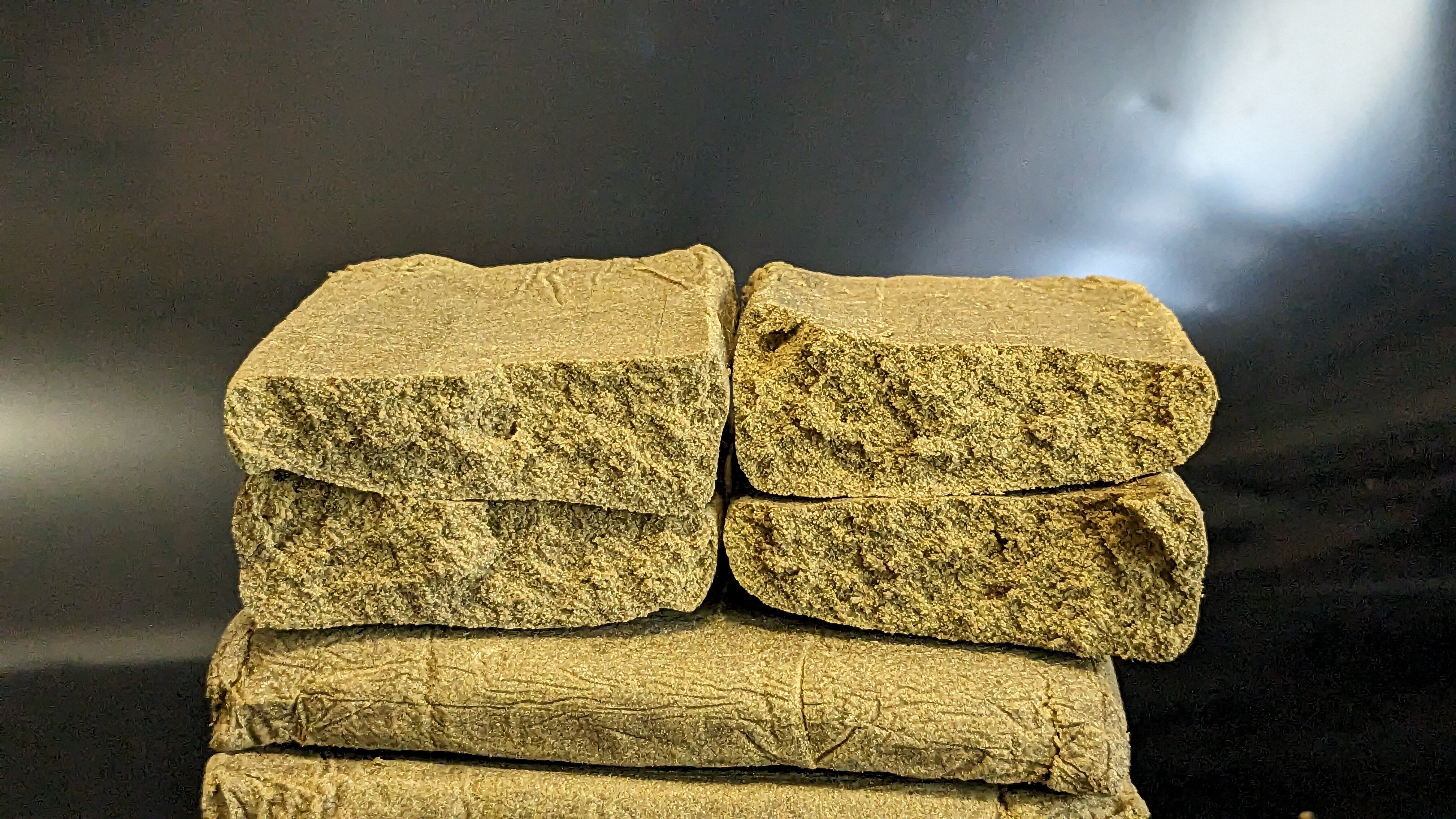
Some hemp-derived products may be sold legally when they meet Croatian and European Union rules, including limits on THC content and approved plant varieties. Labels should clearly state the ingredients, THC level, batch details, and the name of the responsible company. CBD products are not the same as high-THC cannabis, and a product sold online may not meet Croatian requirements.
Travellers carrying prescribed medicine that contains a controlled substance should have the prescription, medical records, and a doctor’s certificate with them. Croatian authorities set limits on the amount that may be brought across the border, and the permitted quantity can depend on the treatment and the traveller’s status. Check the current instructions from Croatian Customs before travelling, since carrying cannabis without the right documents can lead to serious problems at the border.
Speak with a doctor in Croatia and explain your diagnosis, current medication, and treatment history. Ask whether an approved cannabinoid medicine or another treatment is available through a lawful medical route. Do not buy products described only by street names or promises about strength. If you already use prescribed cannabis medicine, keep it in its original packaging and carry supporting medical documents with you.
No. Zagreb does not have a licensed recreational cannabis retail market. Cannabis, cannabis resin, and related extracts remain controlled substances in Croatia, while unauthorised possession, cultivation, and sale are prohibited. A website, social-media account, or private seller claiming to offer “legal weed” may be operating outside the law, so readers should not treat such claims as proof of legal status.
Personal possession is treated as a misdemeanour rather than a criminal offence, but it is still punishable. Croatian authorities do not set one fixed amount that automatically qualifies as personal use; police and courts assess the facts of each case. EUDA materials list possible penalties of a fine between €650 and €2,600 or detention of up to 90 days. This does not make recreational cannabis legal, and suspected sale or distribution can lead to much more serious criminal proceedings.
Tourists should not bring recreational cannabis across the Croatian border. A product bought legally in another country does not automatically become lawful in Croatia, and cannabis remains subject to Croatian drug-control rules. The rules for prescribed medicines are separate: travellers carrying a controlled medicine may need medical records, a prescription, and other documents, with limits on the amount allowed. Anyone travelling with prescribed cannabinoid medicine should check the requirements with Croatian authorities before departure.
Medical cannabinoid products may be prescribed for specific conditions under Croatian rules. The process begins with a consultation with a licensed doctor, who decides whether such treatment is suitable and which preparation and dose may be used. Croatian prescribing rules cover THC-containing preparations for conditions including multiple sclerosis, cancer, epilepsy, and AIDS, with limits on the prescribed amount and treatment period. These products must be obtained through the authorised medical and pharmacy system, not from an informal seller. Patients travelling with them should carry the prescription and supporting medical documents.
Каждая партия проходит контроль. Мы знаем, что продаём, и отвечаем за это.






