“Buy Weed Jakarta” is not a safe or lawful search: Indonesia prohibits marijuana, hashish, edibles, CBD, and THC products, including those carried with a medical prescription. Possession, use, or trafficking can bring lengthy prison terms, heavy fines, or capital punishment under Indonesian law.
Visitors should avoid sellers, delivery offers, and social-media contacts around Kemang, Kuta, or Soekarno–Hatta International Airport. The Indonesian National Narcotics Agency (BNN) and customs authorities enforce these rules nationwide, while the criminal code effective January 2026 applies to foreign nationals as well as residents.
For urgent consular help, U.S. citizens can contact the U.S. Embassy at Jl. Medan Merdeka Selatan No. 3–5, +62-21-5083-1000. Travelers carrying prescription medicine should check each substance with Indonesian authorities before departure.
Do not carry, purchase, cultivate, or distribute cannabis in Indonesia. Law No. 35 of 2009 on Narcotics places the Cannabis genus, every plant part, resin, hashish, tetrahydrocannabinol, and delta-9 THC in Narcotics Group I. The statute remains the main legal basis for criminal cases, with later amendments affecting selected provisions.
For visitors, a foreign prescription or medical-cannabis authorization from another country does not create a safe exemption. Indonesia’s Ministry of Foreign Affairs advises travelers that marijuana is prohibited for entry, while narcotic medicines require prior declaration, original packaging, prescription evidence, and physician documentation. Cannabis products, oils, edibles, and vape cartridges can therefore create customs and criminal exposure at Soekarno–Hatta Airport or other Indonesian entry points.
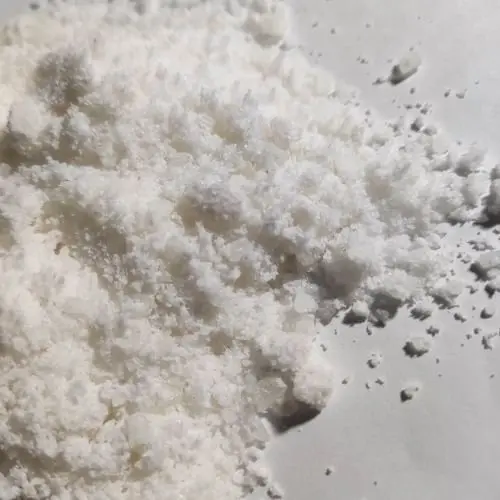
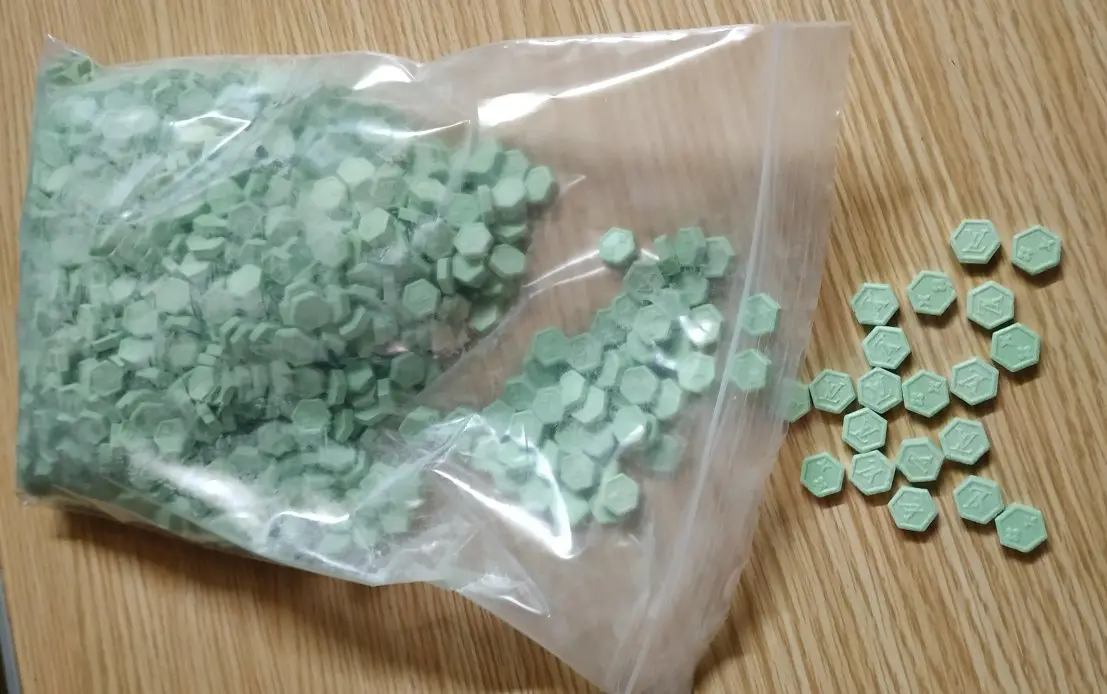
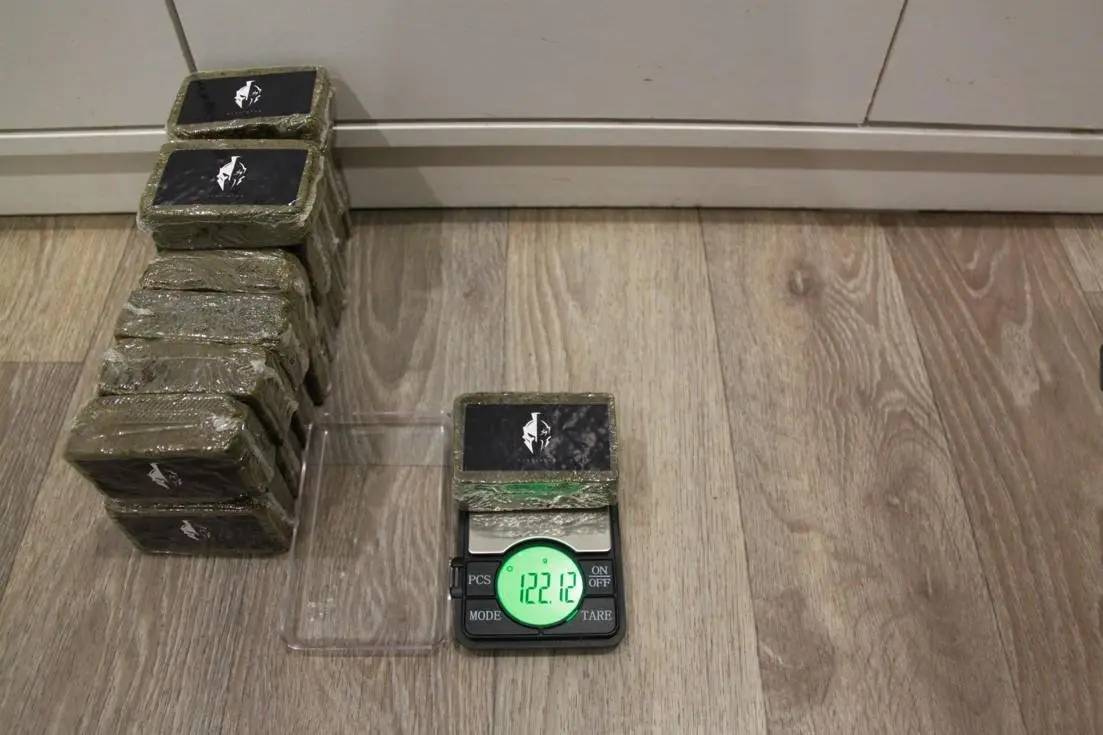
Enforcement in the capital is handled through the Jakarta Metropolitan Police, especially its Narcotics Investigation Directorate, working with local police units and public informants. On September 17, 2026, officers linked to Polda Metro Jaya arrested two suspects in Petamburan, West Jakarta, and seized 59 packages weighing about 62.5 kilograms. Police reported that the suspects had admitted to five transactions.
Recent operations show that authorities target possession, delivery networks, rented houses, and street transactions rather than treating small quantities as harmless. A May 28, 2026 case in nearby Tangerang involved more than one kilogram and possible penalties ranging from six years’ imprisonment to life imprisonment or capital punishment, depending on the charge.
Anyone offered ganja in areas such as Kemang, Cilandak, Tanah Abang, or Kebon Jeruk should refuse, avoid transporting packages for others, and contact Indonesian authorities if pressured. Online sellers, foreign-branded products, and claims of “medical” status do not override Indonesian narcotics law.
Treat any cannabis possession in Indonesia as a serious criminal risk. Cannabis is listed as a Category I narcotic, and Law No. 35 of 2009 remains the core statute, updated by Law No. 1 of 2023 and Law No. 1 of 2026. Under Article 111, unauthorized possession, storage, control, or provision of plant-form Category I narcotics may bring up to 12 years’ imprisonment and a maximum Category VI fine of Rp2 billion. Possession exceeding 1 kilogram or more than five plants can bring life imprisonment or up to 20 years, with an increased fine.
Distribution and importation carry higher exposure. Article 114 covers offering, selling, receiving, brokering, exchanging, or handing over Category I narcotics; the sanction may reach life imprisonment or 20 years, while quantities above 1 kilogram or five plants can trigger the death penalty, life imprisonment, or 5–20 years. Article 610 of the National Criminal Code covers unauthorized production, import, export, and delivery. For Category I material, the standard range is 5–15 years; more than 1 kilogram of plant material or five plants can lead to death, life imprisonment, or 5–20 years. ConductThresholdPotential penalty
| Possession | Category I plant material | Up to 12 years; fine up to Rp2 billion |
| Possession | Over 1 kg or five plants | Life imprisonment or up to 20 years |
| Distribution | Sale, brokerage, delivery | Life imprisonment or up to 20 years |
| Importation | Over 1 kg or five plants | Death, life imprisonment, or 5–20 years |
The Indonesian National Narcotics Agency, BNN, and customs authorities may investigate domestic transfers, luggage, parcels, and online arrangements. A foreign passport, medical-use claim, product label, or purchase through a local contact does not create permission to possess or import the substance.
Do not purchase, carry, consume, or accept cannabis products in Indonesia. Cannabis flower, hash, THC, CBD, hemp items, oils, creams, and edibles remain illegal, including products obtained for medical use. A prescription from the United States, Australia, or Europe does not create a local exemption. Indonesian authorities apply the same rules to visitors in Bali, Lombok, and the capital.
A tourist purchase can become a possession or trafficking investigation even when the buyer claims personal use. Indonesia Travel lists possession penalties of 4–12 years in prison and fines from IDR 800 million to IDR 8 billion. For quantities above 1 kilogram of raw cannabis, life imprisonment may apply; trafficking carries 5–15 years and fines reaching IDR 10 billion.
Risk does not end after leaving the seller. Police conduct raids at venues popular with foreigners, while airport screening operates at locations such as Ngurah Rai International Airport. Residue inside luggage, a vape cartridge, or packaging marked “CBD” or “THC” may trigger questioning, seizure, detention, and drug testing. A positive urine or blood result can lead to arrest, and foreign nationals may also face deportation or an entry ban after criminal proceedings.
Tourists should reject offers from street sellers, nightlife venues, delivery accounts, and informal contacts claiming that a product is “safe,” “legal,” or “only medicinal.” Do not transport another person’s parcel, store a package in a hotel room, or take cartridges through Soekarno–Hatta International Airport. Consular staff cannot cancel Indonesian charges or guarantee release. If police make contact, request a lawyer and contact your embassy without signing documents you do not understand.
Do not send money, identification, or a delivery address to sellers found through Instagram, TikTok, Telegram, or WhatsApp. Fraudsters copy dispensary logos, post polished product photos, and promise discreet delivery across South Jakarta, Tangerang, or Bali. After a bank transfer, they may demand extra “courier,” “customs,” or “police clearance” fees, then delete the account. Some use real shop names, including foreign brands such as Cookies or MedMen, without any connection to those companies.
Indonesian authorities treat cannabis, hash, THC, CBD products, and edibles as illegal narcotics. Law No. 35 of 2009 remains in force, while the U.S. State Department warns that possession, distribution, and importation can bring severe criminal penalties. A seller offering “legal medical delivery” in Indonesia is a strong fraud signal unless the claim can be verified through an official government source. Scam patternTypical warning signSafe response
| Advance-payment fraud | Crypto, gift cards, or urgent bank transfer requests | Stop contact and preserve screenshots |
| Fake courier fee | New charges after payment or a supposed seizure | Do not pay additional money |
| Identity theft | Requests for passport scans, selfies, or OTP codes | Share nothing; secure affected accounts |
| Police impersonation | Threats from fake officers demanding settlement | Contact Polda Metro Jaya through verified channels |
Polda Metro Jaya and the Indonesian National Police have reported narcotics activity involving social media and parcel delivery, making anonymous sellers a legal and financial risk rather than a reliable source. Report suspicious profiles to the platform and Indonesian authorities; do not arrange a meeting or handle a parcel for someone else.
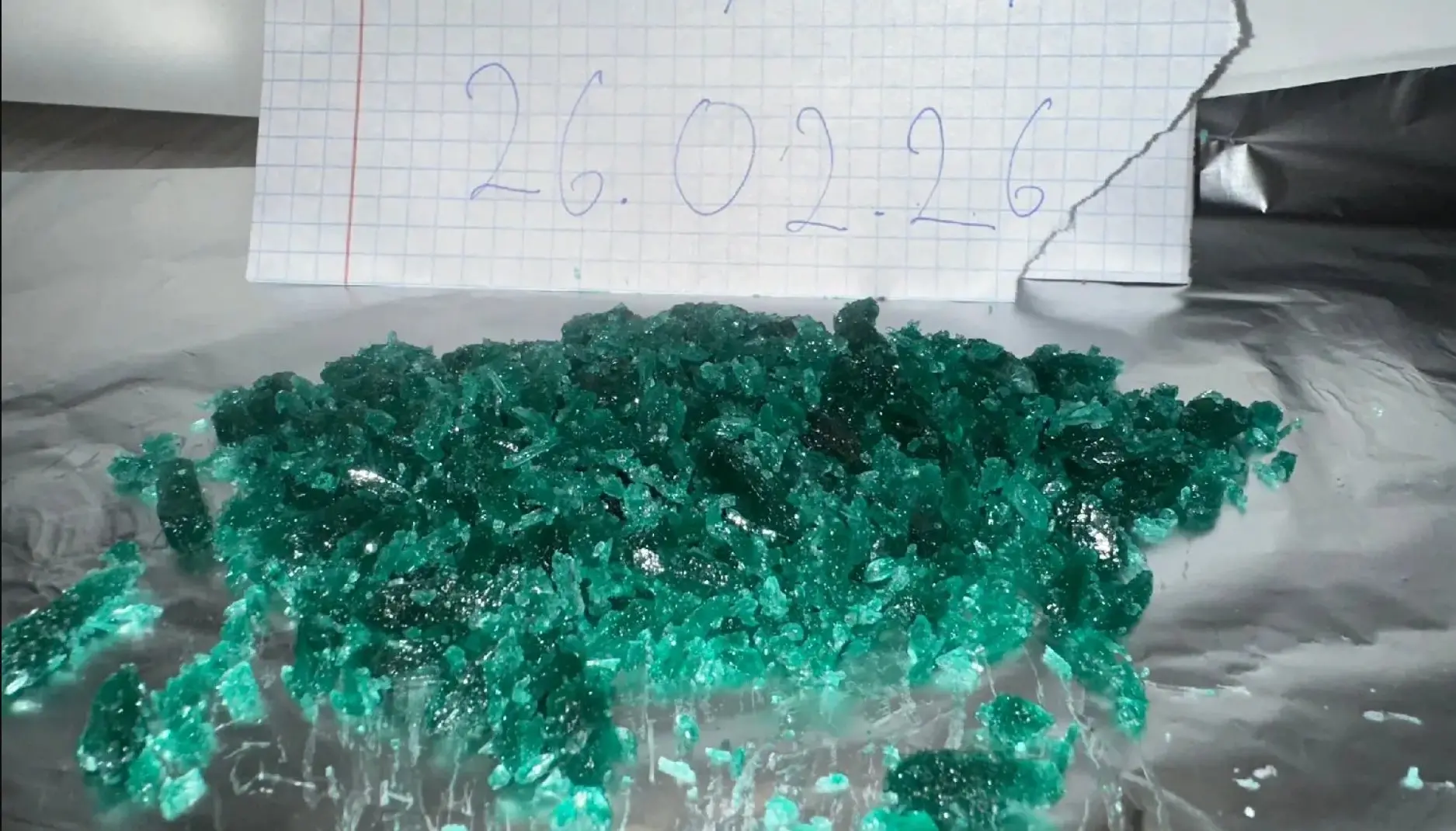
Reject any dried herb with white, gray, green, or black fuzz, a musty smell, slimy texture, unusual dampness, or visible powder that does not resemble natural resin. Mold and microbial growth can develop after poor drying or storage, while pesticides, heavy metals, fungi, and bacteria may remain invisible. A sharp solvent, fuel, ammonia, or perfume odor is a strong reason not to inhale or ingest the material. FDA reports that unregulated cannabinoid products have contained contaminants and amounts of active compounds that did not match their labels.
Packaging also signals risk. Avoid cartridges, oils, sweets, or capsules with missing batch numbers, broken seals, inconsistent spelling, no ingredient list, exaggerated medical claims, or labels copied from brands such as Charlotte’s Web or Koi CBD without verifiable laboratory results. A QR code alone proves nothing: check that it leads to a named laboratory report showing the batch, cannabinoid content, pesticides, heavy metals, microbial screening, and residual solvents. Products sold as “K2,” “Spice,” or synthetic cannabinoid mixtures are especially hazardous because their formulas and strength can vary sharply; CDC lists seizures, hallucinations, chest pain, rapid heartbeat, and severe agitation among reported effects.
Seek assessment at a licensed hospital if cannabis use causes chest pain, breathing difficulty, seizures, severe confusion, hallucinations, repeated vomiting, or loss of consciousness. Emergency care usually includes observation, hydration, control of agitation or nausea, oxygen when required, and tests for alcohol, stimulants, prescription drugs, or heart complications. The Centers for Disease Control and Prevention reports links with impaired coordination, faster heart rate, respiratory problems, psychosis, and cannabis use disorder.
For repeated use, ask a physician, psychiatrist, or addiction clinician for screening and a written reduction plan. WHO recommends a brief intervention with personalized feedback, advice to reduce or stop consumption, and follow-up; its guidance describes sessions lasting about 5–30 minutes, with referral to specialist care when problems continue. Cognitive behavioral therapy, motivational interviewing, relapse-prevention counseling, sleep support, and treatment for anxiety or depression may be combined according to symptoms. Health needClinical optionExample entity
| Acute intoxication | Monitoring and symptom care | Emergency department |
| Dependence or withdrawal | Screening, counseling, specialist referral | WHO mhGAP |
| Specific seizure disorders | Prescription cannabidiol under supervision | Epidiolex, FDA |
| Chemotherapy nausea | Approved cannabinoid medicines where lawful | Marinol or Cesamet |
Do not substitute unregulated oils, edibles, or smoked products for prescribed care. Indonesia’s Law No. 35 of 2009 and Ministry of Health Regulation No. 22 of 2020 place narcotic substances under strict control, so patients should confirm legality with the Indonesian Ministry of Health and a registered clinician before considering any cannabinoid medicine.
Do not carry CBD oil, hemp extract, cannabis capsules, or products labelled “THC-free” into Indonesia without written clearance. Law No. 35 of 2009 places Cannabis sativa, every plant part, processed extracts, resin, hashish, and tetrahydrocannabinol in Narcotics Group I. A CBD label does not create a separate traveller exemption, and product composition may be tested at customs.
BPOM Regulation No. 7 of 2018 prohibits THC as a raw material in processed food, and BPOM states that it will not issue a distribution licence for food containing THC. This affects gummies, drinks, chocolates, oils marketed as supplements, and hemp-derived products sold through retailers or marketplaces. Brand names such as Charlotte’s Web, CBDistillery, or Holland & Barrett do not replace Indonesian approval.
Prescription medicines follow a separate route. Ministry of Health Regulation No. 5 of 2023 governs narcotics, psychotropics, and pharmaceutical precursors, while the e-Pharm system handles import permissions. Codeine, diazepam, clonazepam, methylphenidate, and similar medicines may require advance confirmation, the original prescription, a doctor’s letter, sealed packaging, and a quantity matching medical need. Do not mail them or transfer them to another person. ProductPractical rule
| CBD oil or hemp extract | Do not bring without written Indonesian clearance |
| THC food or drink | BPOM distribution approval is unavailable |
| Ordinary prescription medicine | Carry original packaging and supporting medical documents |
| Unregistered urgent medicine | Special Access Scheme; limited, official, non-commercial supply |
The Special Access Scheme is designed for hospitals and approved import channels, not casual personal shopping; products must come from official sources, remain limited in quantity, and not serve commercial use.
Refuse street offers with a short phrase such as “No, thank you,” keep walking, and avoid eye contact or negotiation. Do not follow anyone to a vehicle, alley, apartment, hotel, or private party near areas such as Blok M, Senayan, or Sudirman. Keep your phone and wallet out of sight, stay near staffed venues, and ask security personnel at a mall, hotel, or Grab pickup point for help.
Treat unsolicited WhatsApp or Telegram messages offering cannabis, pills, powders, or “delivery” as a scam or safety risk. Do not send your name, passport photo, address, live location, bank details, QR payment, or verification code. Never click shortened links, install an APK, or share a contact list. Save screenshots showing the profile name, number, username, payment request, and meeting instructions, then use the platform’s Report and Block functions.
If a sender threatens exposure, claims to be police, or demands money, stop replying. Do not pay a “fine,” arrange a second meeting, or try to recover funds alone. Change passwords from a trusted device, enable two-factor authentication, and tell a hotel manager, trusted friend, or embassy contact where you are. Avoid forwarding the message to other people.
No. Marijuana, hash, THC products, CBD products, and cannabis edibles are illegal in Indonesia, including Jakarta. Buying, possessing, using, or selling them may lead to arrest, prison, heavy fines, and, in serious trafficking cases, the death penalty. A small amount is not automatically treated as harmless under Indonesian law.
A prescription from another country does not make cannabis legal in Indonesia. Indonesian authorities may treat cannabis and products containing THC or CBD as prohibited substances, including products intended for medical use. Tourists who take prescribed medicines should check the rules with an Indonesian embassy or consulate before travel and carry medicines only in their original packaging with supporting medical documents.

They can lead to serious legal problems. Indonesian travel guidance identifies cannabis, CBD products, edibles, hash, and THC-containing items as illegal. Airport customs checks may apply to luggage, parcels, and personal medication. Do not pack these products for a flight to, from, or within Indonesia.
Decline the offer, do not handle the product, and leave the area. Do not share your passport details, hotel room number, payment information, or contact details with the seller. Inform your hotel security team or local authorities if you feel threatened. Buying from an informal seller also creates risks such as scams, robbery, police action, and unknown substances.
Speak with a licensed doctor or clinic in Indonesia and describe your symptoms, current medicines, and medical history. Ask the doctor which treatments are permitted under Indonesian rules. Do not assume that a medicine legal in the United States, Australia, or Europe is legal in Indonesia; some foreign prescriptions may be restricted. Carry any approved medicine in its original container and keep the prescription or doctor’s letter with it.
No. Cannabis is classified as an illegal narcotic in Indonesia, including Jakarta. Possession, use, sale, and distribution can lead to criminal charges, prison sentences, heavy fines, and, in serious trafficking cases, life imprisonment or the death penalty. Tourists are subject to the same rules as Indonesian residents.
No. A foreign prescription, medical cannabis card, or receipt from a licensed shop abroad does not make cannabis legal at the Indonesian border. Official Indonesian guidance lists marijuana among substances prohibited from entering the country. Do not pack flower, edibles, oils, vape cartridges, or products containing THC in checked or hand luggage.
Claims about online sellers, private delivery services, or cannabis cafés should be treated with caution. A website, social-media account, or messaging contact does not prove that a seller is licensed or that the product is lawful. Trying to arrange a purchase can expose a visitor to arrest, scams, robbery, contaminated products, or police action. I cannot help locate sellers, compare prices, or arrange delivery.
The outcome depends on the evidence, the substance, the quantity, and the alleged conduct. A small amount is not automatically tolerated or treated as harmless. Indonesian travel guidance states that possession may carry prison terms and substantial fines, while larger quantities or evidence of distribution can bring far more severe penalties. A person detained should ask for a lawyer, contact their embassy or consulate, avoid signing documents they do not understand, and request an interpreter when needed.
Speak with your doctor and the Indonesian embassy or consulate before travelling. Do not assume that a prescription from the United States, Europe, Australia, or another country will be accepted in Indonesia. Check every ingredient in medicines, oils, supplements, and vape products, since cannabis-derived substances may create border problems. Keep permitted medicines in their original packaging with the prescription and supporting medical documents, and obtain written confirmation from Indonesian authorities before departure. If the product contains cannabis or another controlled substance, leaving it at home is the safest option unless Indonesian authorities have clearly approved its import.
No. Cannabis, marijuana, hash, edibles, CBD, and THC products are illegal in Indonesia, including Jakarta. A medical prescription from another country does not make these products legal to possess or use there. Drug-related offenses may lead to heavy fines, lengthy imprisonment, and, in severe cases, the death penalty. Visitors should not search for sellers, carry cannabis across borders, or accept products offered informally.
Decline the offer and leave the area without handling, storing, or transporting the product. Do not assume that a small amount, an edible, a vape cartridge, or a CBD item is permitted. If you already have a cannabis product, avoid taking it through an airport or across an international border and seek advice from your embassy or a qualified Indonesian lawyer. Travelers facing police questioning should request legal assistance and contact their embassy or consulate.
Каждая партия проходит контроль. Мы знаем, что продаём, и отвечаем за это.






