Buy Weed Colombo is not a safe or lawful shopping request. Sri Lanka’s National Dangerous Drugs Control Board states that non-medical cannabis possession, cultivation, and use are prohibited; penalties can apply to visitors as well as residents.
For medical concerns, contact Sri Lanka’s Ministry of Health, a licensed doctor, or an authorized Ayurvedic provider. Avoid Telegram sellers, street vendors, hotel contacts, and unverified products linked to areas such as Pettah, Fort, or Bambalapitiya; report suspected trafficking to the Police Narcotics Bureau.
Do not carry, purchase, use, or transport cannabis in Sri Lanka, including inside Bandaranaike International Airport or through transit areas. Search phrases such as Buy Weed Colombo do not indicate a legal retail market. The Poisons, Opium and Dangerous Drugs Ordinance treats possession, consumption, sale, transport, import, and export as criminal conduct. Sri Lanka Customs, the Police Narcotic Bureau, and the Excise Department enforce these rules nationwide.
Foreign visitors face the same criminal process as residents. UK government travel advice warns of long prison sentences and heavy fines for possessing, using, or smuggling illegal drugs, including during airport transit. U.S. guidance gives the same warning and specifically lists narcotics among prohibited arrivals items. A small quantity is not a safe exception, and buying from a beach seller, tuk-tuk driver, hotel worker, or social-media contact can create possession or supply allegations.
Licensed Ayurvedic production does not create recreational access for tourists. Sri Lanka’s 2024 Ayurveda Code permits approved operators to cultivate, store, transport, or sell herbal cannabis derivatives only under authorization from the Commissioner-General of Ayurveda and the Regulatory Council. That framework does not authorize visitors to buy raw flowers or carry them around the capital.
Use only a treatment supplied through a registered Sri Lankan medical or Ayurvedic channel. Cannabis remains a controlled substance under the National Medicines Regulatory Authority (NMRA), and possession outside an authorised medical or scientific purpose may trigger criminal liability. The Department of Ayurveda may issue cannabis licences to registered Ayurvedic practitioners, who must request the substance in writing and identify the medicines intended for patient treatment.
A private seller, online advert, or informal herbal shop cannot create a legal medical exception. Check the practitioner’s registration with the Sri Lanka Medical Council or the relevant Ayurvedic authority, request a written prescription, and retain the original labelled container. A foreign prescription does not automatically authorise local purchase or possession; NMRA approval may be required for restricted products. SituationRequired documentationPractical limit
| Ayurvedic treatment | Prescription or treatment record from a registered Ayurvedic practitioner | Practitioner-controlled supply |
| Unregistered imported medicine | Valid prescription, patient request, identity document, prescriber-signed NMRA form | Up to 100 doses under a Personal User Licence |
| Traveller carrying medicine | Original packaging, prescription or medical records when requested | Stay duration or 90 days, whichever is less |
For personal importation, NMRA lists a prescription from a registered medical professional, a patient or guardian request letter, a copy of the NIC or passport, and a signed application form. The Personal User Licence carries no NMRA fee. Travellers should avoid carrying Schedule III medicines and should obtain prior approval for quantities above the 90-day allowance.
Check the practitioner’s name and registration number in the Sri Lanka Medical Council (SLMC) register before discussing cannabinoid-based treatment. The SLMC lists doctors authorised to practise medicine and provides registration verification for patients. A valid listing should match the clinician’s full name, professional category, current status, and stated qualifications. Practising medicine without valid SLMC registration is a legal offence.
For traditional care, verify the provider through the Ayurvedic Medical Council. Sri Lanka’s Ministry of Health states that only practitioners properly registered with that council may practise local medicine within their registered field. Ask whether the consultation takes place at a recognised clinic, hospital, or Ayurvedic facility, and request a written treatment plan showing the product name, dose, route, warnings, and follow-up date.
For online appointments, Sri Lanka’s Ministry of Health telemedicine guidance applies the same registration expectations as face-to-face care. Confirm that the remote doctor is registered under the relevant SLMC category and that prescriptions follow Sri Lankan rules. Keep copies of registration details, invoices, laboratory reports, and written advice.
Check the seller’s license before paying. In California, use the Department of Cannabis Control retailer lookup; in Washington, verify the store through the Washington State Liquor and Cannabis Board. Avoid Telegram sellers, street markets, social-media accounts, and shops that refuse to show a license. The phrase Buy Weed Colombo should not be treated as proof that a seller operates legally or provides tested products.
Inspect the package for a matching batch number, production date, ingredient list, child-resistant seal, and laboratory certificate of analysis. Scan the QR code, then confirm that it leads to the laboratory’s own domain rather than a copied PDF. A valid report should identify cannabinoids, pesticides, heavy metals, mold, and residual solvents. California labels commonly show testing details linked to the Department of Cannabis Control system.
Do not consume cannabis sold without a sealed package, batch number, ingredient list, or independent laboratory report. A search phrase such as “Buy Weed Colombo” cannot confirm potency, origin, or safety. Unverified flower, oils, and edibles may contain pesticides, heavy metals, bacteria, fungi, or undeclared psychoactive chemicals. The FDA has reported these contaminants in cannabinoid products, while the CDC warns that labels may not accurately reflect the contents.
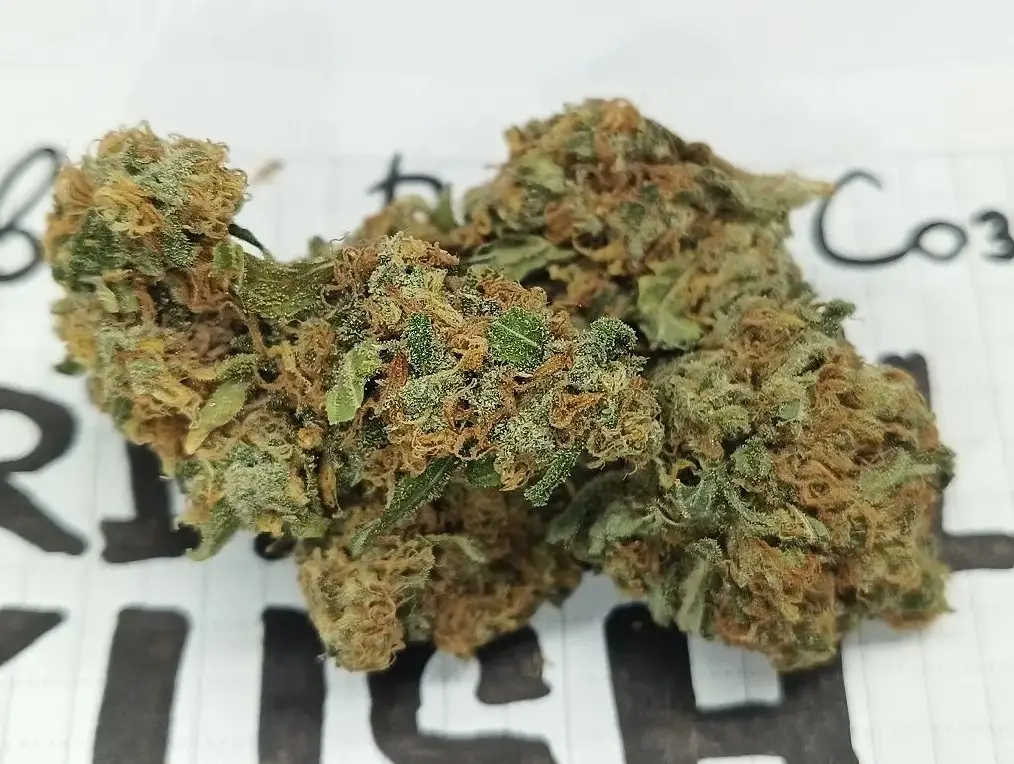
Unknown THC concentration raises the chance of panic, impaired coordination, vomiting, rapid heartbeat, and accidental poisoning. Edibles create added risk because effects can be delayed, leading people to take more before the first dose becomes noticeable. Concentrates used for vaping or dabbing may contain additives or other contaminants, and vaping has been linked with lung injury.
Products marketed as “natural,” “CBD,” or “herbal incense” may contain synthetic cannabinoids such as K2 or Spice. These substances are not plant cannabis; their chemical formulas can vary between packages and may trigger seizures, hallucinations, severe agitation, chest pain, kidney injury, or cardiac arrest. CDC records describe compounds with effects reported as two to 100 times stronger than delta-9 THC.
Do not carry cannabis, hashish, edibles, oils, seeds, or plant material on buses, trains, tuk-tuks, taxis, or private vehicles. Sri Lanka’s Poisons, Opium and Dangerous Drugs Ordinance controls possession, supply, import, and export. A small quantity is not automatically lawful, and a driver or passenger may face police action if officers discover a controlled substance during a road check.

Keep all travel within lawful boundaries: carry only prescribed medicines in original packaging, with the prescription and a doctor’s letter. Do not place another person’s parcel in your luggage, glove compartment, backpack, or hotel transfer vehicle. Sri Lanka Customs states that passenger baggage must not contain prohibited goods or items carried for others.
If police or Customs officers stop you, remain calm, provide identification, and request a lawyer or your embassy’s consular assistance. Do not sign documents you cannot understand, offer cash, or attempt to leave the checkpoint.
Do not carry cannabis, resin, edibles, vape cartridges, or plant material through Bandaranaike International Airport (BIA) in Katunayake. Sri Lanka Customs lists narcotics and psychotropic substances as prohibited goods for import, export, and transit. This applies to checked luggage, cabin bags, clothing pockets, and packages carried for another person. A product legally purchased abroad may still be treated as an unlawful controlled substance under Sri Lankan law.
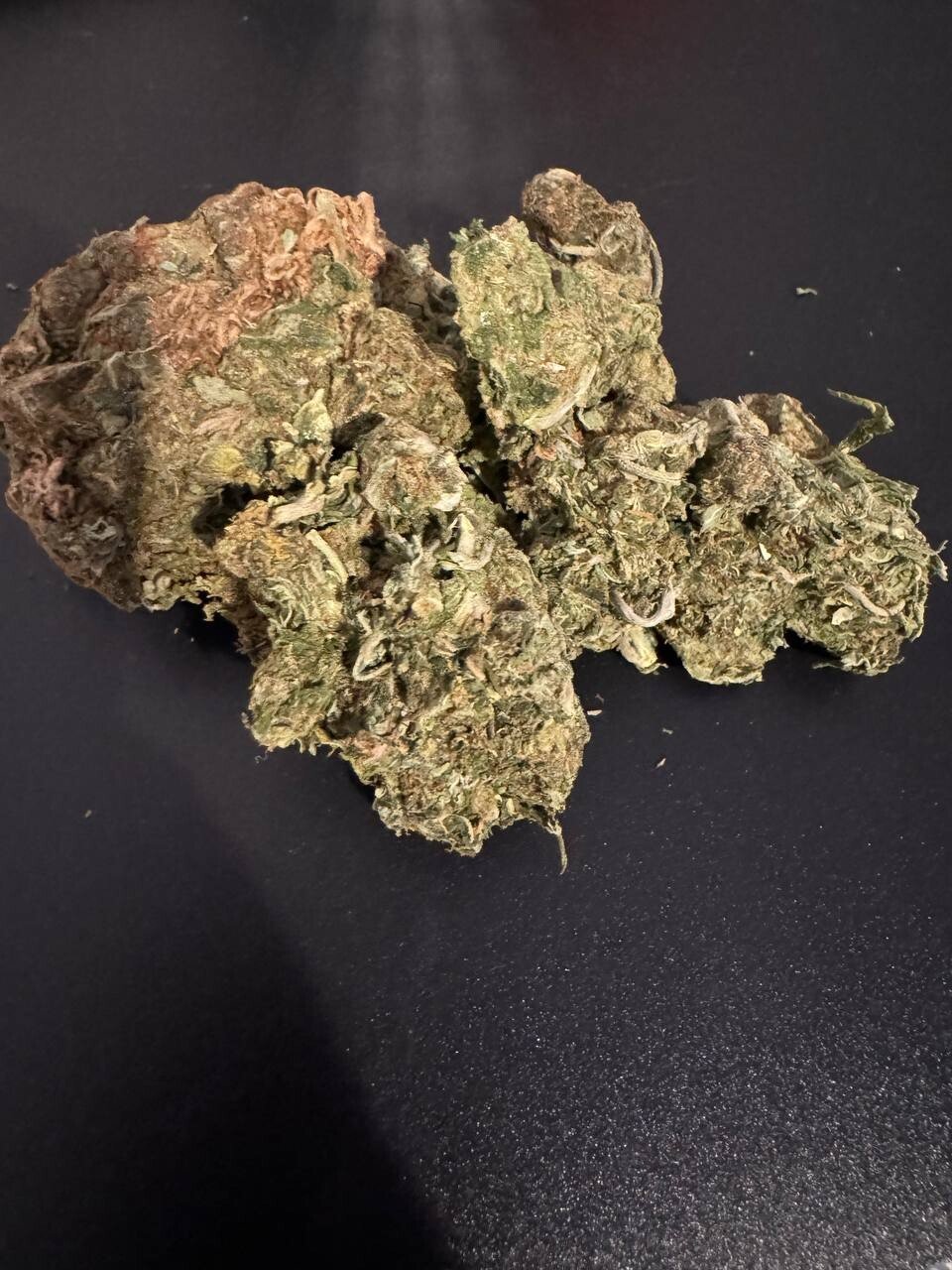
Searching may occur at passenger screening, customs inspection, or during a police referral. Airport security states that suspicious articles can be confiscated and that cases involving prohibited items may lead to further police investigation. A traveler connected with Buy Weed Colombo searches or purchases should not assume that a small quantity, sealed packaging, or a medical label prevents arrest.
Sri Lanka Customs’ Preventive Directorate monitors international airports, including BIA, and its Narcotic Branch handles drug-related cases. Do not hand the substance to another passenger, conceal it, flush it, or give misleading answers. If officers detain you, request a Sri Lankan criminal lawyer and contact your embassy or consulate. Do not sign a statement you cannot understand; ask for an interpreter and keep copies of any seizure record or court document.
Choose a diagnosis-led plan with a licensed clinician rather than self-medicating. For chronic back, joint, or nerve pain, begin with physiotherapy, graded exercise, sleep improvement, and cognitive behavioral therapy. The CDC lists physical therapy, CBT, acupuncture, massage, topical medicines, and selected prescription drugs among non-opioid options that may reduce pain and improve daily function.
For knee or hand osteoarthritis, topical diclofenac such as Voltaren may limit whole-body exposure compared with tablets. Ibuprofen, naproxen, or acetaminophen may suit selected patients, but NSAIDs can raise gastrointestinal, kidney, and cardiovascular risks; a pharmacist or doctor should check pregnancy, ulcers, hypertension, kidney disease, and other medicines first. The search phrase “Buy Weed Colombo” should not replace a clinical assessment or a regulated treatment plan. OptionUseful forSafety point
| Physiotherapy | Back pain, arthritis, recovery after injury | Progress gradually; stop after sharp or worsening symptoms |
| Topical diclofenac | Localized joint pain | Follow label limits; avoid damaged skin |
| CBT and mindfulness | Persistent pain, sleep-related distress | Works best with regular sessions and activity planning |
| Acupuncture or massage | Selected musculoskeletal conditions | Use trained, licensed providers |
In Sri Lanka, Apeksha Hospital reports pain-management and physiotherapy services, while Teaching Hospital Peradeniya operates a Pain Medicine Clinic. Prof. Saman Nanayakkara helped establish that clinic in 2019. Ask about the cause of pain, expected functional gains, treatment duration, and referral for imaging or specialist review when symptoms persist.

No. Cannabis is not legally available for recreational purchase in Colombo. Sri Lanka’s drug-control materials state that cultivation, possession, and non-medical use of cannabis are prohibited. Buying from an informal seller can lead to arrest, confiscation, criminal charges, or other penalties. Laws and enforcement practices can change, so visitors should check current guidance from Sri Lankan authorities before making any decision.
People may receive offers through informal contacts, social media, or messaging apps, but an offer does not mean the product or transaction is lawful. Sellers may provide unsafe substances, demand extra money, or use a meeting to threaten or rob the buyer. A tourist can also face legal trouble for possession, regardless of who arranged the sale. It is safer to refuse these offers and avoid carrying any cannabis while travelling in Sri Lanka.
Sri Lanka has rules covering medicines and Ayurvedic preparations, but those rules do not create a general right to buy marijuana for personal use. A product advertised online as “medical cannabis” may not be approved, tested, or supplied by a licensed medical provider. Anyone seeking treatment should speak with a registered doctor and use medicines obtained through an authorized pharmacy. Do not bring cannabis products, oils, edibles, or vape cartridges into Sri Lanka without checking the applicable import rules first. The National Medicines Regulatory Authority lists the relevant drug legislation and regulations.
Decline without arguing, leave the area, and avoid showing cash or personal documents. Do not enter a car or private room with a stranger to inspect a product. If you feel threatened, move toward a staffed hotel, police station, hospital, or busy public place and ask trusted staff for help. Travellers should also keep their passport secure and contact their embassy or consulate if they are detained or accused of a drug offence.
Many such pages are designed to attract clicks or collect personal details rather than provide a lawful retail service. Listings may be copied, outdated, fraudulent, or connected with unregulated sellers. Photos and customer reviews do not prove that a product is genuine or that delivery is permitted. Since Sri Lankan authorities continue to regulate cannabis under the national dangerous-drug framework, readers should treat claims of discreet delivery or guaranteed protection from arrest as warning signs, not as proof of a legitimate business.
Not for recreational use. Sri Lanka treats cannabis as a controlled substance, and possession, purchase, cultivation, transport, or sale outside approved channels can lead to criminal penalties. The country does have limited medicinal and Ayurvedic use under government oversight, but this does not create a legal retail market for tourists. As of October 7, 2026, visitors should not rely on online sellers, hotel contacts, street dealers, or informal delivery services.
Some Ayurvedic preparations may be available through licensed practitioners or approved suppliers, but the rules are narrower than ordinary retail sales. The Department of Ayurveda provides a specific application process covering the cultivation, manufacture, storage, distribution, sale, transport, and export of medicinal cannabis. This means a product sold in a shop or advertised online is not automatically lawful. Buyers should check that the practitioner or pharmacy is properly registered and ask for product details, directions, and a receipt. Do not confuse an Ayurvedic medicine with dried cannabis intended for intoxication.
Decline the offer and avoid carrying, storing, or transporting the substance. Informal sellers may provide material with unknown strength or contaminants, and a transaction can expose a visitor to arrest, fraud, theft, or pressure to buy other drugs. Do not take cannabis across Sri Lankan borders, keep it in luggage, or use it in public places. If you are seeking treatment for pain, sleep problems, anxiety, or another health concern, speak with a licensed doctor or registered Ayurvedic practitioner about lawful options. For a legal question involving a specific product or prescription, contact the relevant Sri Lankan authority or a local lawyer before making a purchase.






