Buy Weed Johannesburg safely by checking the seller’s licence, product origin, and age policy before paying. South Africa’s Cannabis for Private Purposes Act 7 of 2024 protects private use for adults aged 18 and over, but it does not make every retail transaction lawful.
For options near Sandton, Rosebank, and Midrand, verify records with the South African Health Products Regulatory Authority (SAHPRA), avoid street vendors, and never carry cannabis openly in public. This guide compares local access points, product formats, and compliance signals linked to Gauteng’s developing market.
Adults aged 18 or older may use and possess cannabis for personal consumption in a private place, including a residence in Sandton, Soweto or another Gauteng municipality. The protection comes from the Constitutional Court’s 2018 ruling in Minister of Justice and Constitutional Development v Prince, later addressed by the Cannabis for Private Purposes Act 7 of 2024. It does not create a licence for public smoking, commercial supply or open retail activity.
Keep consumption away from children, non-consenting adults, windows, doorways, ventilation inlets and entrances. Smoking near a public gathering may be treated as a nuisance. Possession in a public place may be allowed, but consumption there is not. Carrying cannabis through OR Tambo International Airport, Gautrain stations or public roads can still attract police attention, especially where quantity or packaging suggests supply rather than personal use.
Commercial dealing remains a criminal offence. Under Act 7 of 2024, dealing may carry a fine or imprisonment of up to 10 years. Supplying a child is prohibited, and adults must store cannabis securely; failure to keep it inaccessible to a child may attract a fine of up to R2,000. Driving under the influence remains unlawful under the National Road Traffic Act 93 of 1996.
As of 7 October 2026, the Department of Justice and Constitutional Development’s published material still identifies the possession, plant and transport ceilings as draft regulations submitted for public comment, with comments invited until 5 March 2026. Do not rely on online tables quoting fixed gram or plant limits unless they cite a final Government Gazette. SAPS remains the enforcement agency, while SAHPRA regulates medicinal products under separate rules.
Choose established member-based operators in Sandton CBD, Morningside, Sandown, Rosebank, Illovo, Hyde Park, and nearby Bryanston, but verify their paperwork before visiting. Green Daze lists coverage across these suburbs and operates as a private cannabis club rather than a government-approved adult-use retailer. Its service area includes Sandton and Rosebank, making it a practical first contact for adults seeking regulated information, product guidance, and collection options. Buy Weed Johannesburg should not be treated as proof that a shop holds a retail licence.
Rosebank offers convenient access from Oxford Road, The Zone, and Rosebank Mall, while Sandton provides broader coverage around Rivonia Road, Sandton City, and Nelson Mandela Square. The legal distinction matters: South Africa permits adult private use, but the Cannabis for Private Purposes Act, 2024 prohibits dealing, and national commercial retail rules remain unresolved. SAHPRA licences relate mainly to medicinal cultivation, manufacturing, importing, and scheduled-substance distribution, not ordinary recreational storefront sales. AreaKnown operator or zoneBest suited for
| Sandton CBD | Green Daze coverage | Central collection and consultations |
| Morningside | Private-club service area | Residential access near Sandton |
| Rosebank | Green Daze listed coverage | Visitors near Oxford Road |
| Illovo and Hyde Park | Private delivery or membership zones | Nearby northern suburbs |
Before paying, request the entity’s registration details, membership terms, age requirement of 18+, labelling information, and written clarification that consumption occurs privately. Avoid vendors promising public smoking, unverified potency, or guaranteed legal immunity.
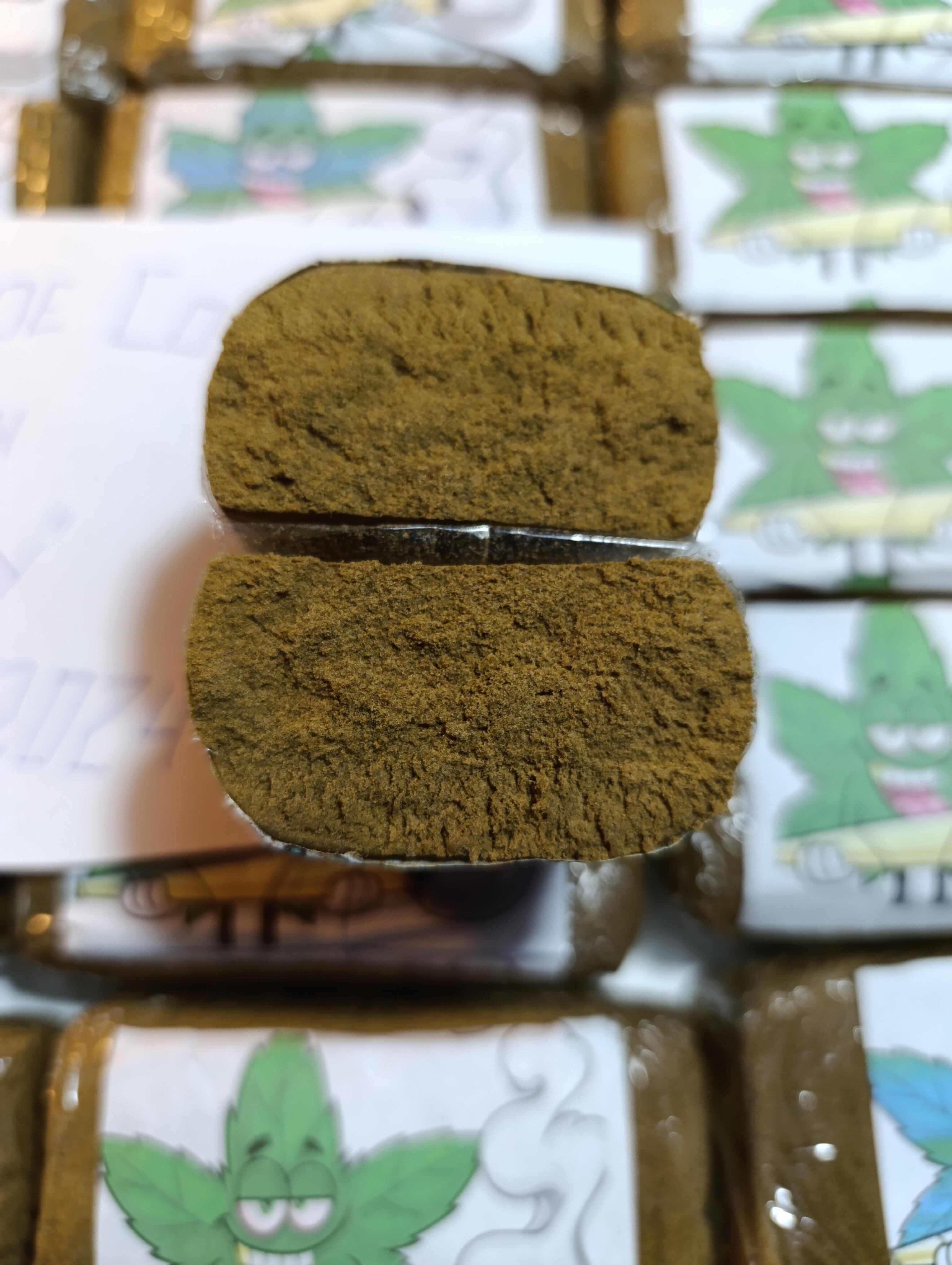
Local buyers should request a clear batch number, packaging date, cannabinoid profile, and laboratory report before accepting any flower, resin, oil, or edible. A credible report lists THC, CBD, microbial screening, pesticides, heavy metals, and residual solvents. The document should identify the testing facility and match the label on the container. Unsealed bags, handwritten percentages, and products with no traceable batch code deserve rejection.
Compare the seller’s claims with recognised references such as SAHPRA-licensed medical products, information from the Cannabis Expo at Sandton Convention Centre, and established brands such as Bedrocan, Tilray, or Canopy Growth. Brand recognition alone proves little, so buyers should inspect storage conditions, harvest dates, terpene descriptions, and refund policies. Fresh flower should have a clean aroma, intact trichomes, and moderate moisture; it should not smell of ammonia, fuel, or mould.
Verification pointAcceptable signWarning sign
| Lab testing | Named laboratory and matching batch number | Screenshot with no date or sample ID |
| Flower condition | Dry exterior, springy texture, clean scent | Wet buds, grey patches, ammonia odour |
| Packaging | Sealed container with dosage and expiry data | Unmarked plastic bag |
| Seller records | Receipt, contact details, written return policy | Cash-only transaction with no record |
For oils and edibles, verify milligrams per serving rather than relying on bottle size. A 10 ml vial may contain 100 mg or 1,000 mg total cannabinoids, so the label must state both total content and serving size.
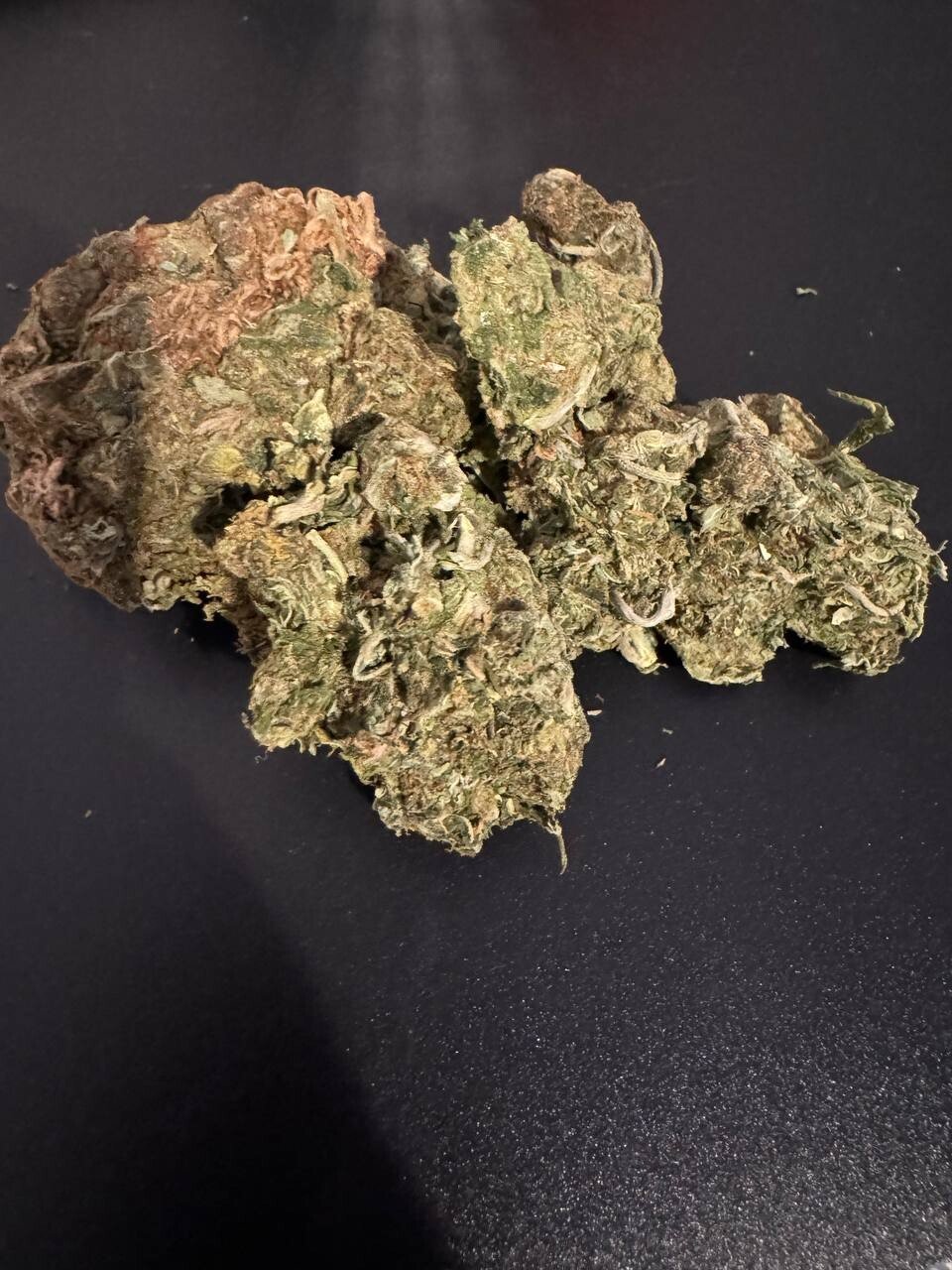
Choose flower for the fastest feedback and the clearest control over each dose. A 0.1–0.2 g portion in a dry-herb vaporizer usually produces noticeable effects within minutes, while smoking may feel harsher on the throat. Strains such as Durban Poison are often selected for daytime use, whereas heavier indica-dominant cultivars may suit evening sessions. Check batch details, cannabinoid percentages, terpene data, and testing records from suppliers serving Gauteng.
Select edibles only if you can wait. Effects may take 30–120 minutes to appear and can last six hours or longer. Start with 2.5–5 mg THC, avoid taking more during the first two hours, and keep products away from children and pets. Oils from brands such as Goodleaf or Afriplex allow measured drops under the tongue, with onset commonly faster than food-based products. Pre-rolls from companies such as Cannim offer convenience, but fixed quantities provide less dosing control. FormatOnsetTypical durationBest suited to
| Flower | 2–10 minutes | 1–3 hours | Experienced users seeking control |
| Edibles | 30–120 minutes | 6–10 hours | Long-lasting sessions at home |
| Oil | 15–60 minutes | 4–8 hours | Measured CBD or THC use |
| Pre-rolls | 2–10 minutes | 1–3 hours | Portable, ready-to-use sessions |
For a first trial, select a low-THC oil or a small flower quantity rather than a potent edible. Never drive after use, combine products with alcohol, or assume a product labelled “CBD” contains zero THC.

Choose a low-THC product first: for inhaled flower, look for roughly 5–10% THC and take one small puff, then wait up to 30 minutes before deciding whether to continue. For edibles, select 2.5 mg THC or less per serving. Health Canada recommends low THC with an equal or higher CBD amount for new consumers.
A balanced 1:1 formula, such as 5 mg THC plus 5 mg CBD, may feel gentler than a THC-dominant option, although CBD does not cancel impairment. A CBD-only product containing 10–25 mg CBD and 0 mg THC avoids the intoxicating effect, but individual responses vary. Do not combine cannabis with alcohol, sedatives, or prescription medicines without medical advice. Product typeSuggested first-use strengthTiming
| Flower, such as Durban Poison | 5–10% THC; one small puff | Seconds to minutes; reassess after 30 minutes |
| Balanced flower or vape | 1:1 THC:CBD, preferably below 10% THC | Seconds to minutes |
| Edible or drink | 2.5 mg THC or less per serving | 30 minutes–2 hours; full effect may take 4 hours |
| CBD oil, such as Charlotte’s Web | 10–25 mg CBD; 0 mg THC | Follow the label and assess gradually |
Customers in Sandton, Rosebank, and Fourways should check the label for THC per serving, total package THC, CBD quantity, batch number, and laboratory testing. A product marked “25% THC” is far stronger than a 5% flower, while concentrates, wax, shatter, and dabs are poor choices for a first session because their THC levels can be very high.
Keep the first session at home, avoid driving, and have water and food nearby. Stop if you experience panic, chest pain, severe confusion, or persistent vomiting; seek urgent medical care for severe symptoms.
Choose a licensed pharmacy or SAHPRA-compliant medical provider rather than an anonymous courier. South African law permits adult private use and possession, but the Cannabis for Private Purposes Act does not legalise ordinary commercial buying, selling, or doorstep supply. Confirm the seller’s licence, prescription process, batch information, and age-check procedure before sharing an address.
For Sandton, Rosebank, Randburg, Fourways, Midrand, and Soweto, delivery claims differ by postcode and suburb. Dis-Can lists Ridgeway as its base and advertises same-day service, with a free-shipping threshold above R3,000; its displayed catalogue includes CBD oils, edibles, vapes, and flower. Green Vault also lists supported areas across the metropolitan region, with products labelled by strain and potency. These businesses should be treated as advertised private operators, not automatically as government-approved dispensaries. DistrictLikely service patternCheck before ordering
| Sandton | Same-day slots may be advertised | Delivery window and ID check |
| Rosebank | Courier coverage often depends on postcode | Written fee and product origin |
| Randburg | Potential coverage from southern or central hubs | Dispatch address and tracking |
| Midrand | Longer routes may carry a surcharge | Cut-off time and minimum order |
Displayed examples include R85 cannabis beverages, R250 gummy products, R390 chocolate edibles, and R850 flower listings, but these figures are retailer advertisements rather than regulated price benchmarks. Avoid sellers requesting cryptocurrency, refusing age verification, promising “no questions asked” delivery, or using medical claims without a prescription pathway.
Choose a retailer that confirms its payment options before placing an order. Cannexus operates cashless HUB stores and accepts digital payments only, so customers should carry a Visa or Mastercard debit card, use a supported banking app, or arrange an approved electronic transfer. A valid government-issued ID, such as a South African driver’s licence or passport, may also be required for medical purchases.

Payment rules differ between storefronts, delivery services, and product categories. Canna Kingdom, listed at 6 4th Avenue, Parkhurst, Randburg, states that it accepts major credit cards and PayPal. Customers should verify the final checkout screen, since a card processor can reject transactions linked to restricted product categories. Never send funds to a personal account or pay an unverified WhatsApp seller; request a receipt showing the merchant name, amount in South African rand, and order reference. MethodTypical usePractical check
| Debit or credit card | In-store or online checkout | Confirm Visa or Mastercard support |
| Instant EFT | Online orders and deposits | Match the beneficiary name before approval |
| PayPal | Selected delivery retailers | Check whether the account accepts the product category |
| Mobile or QR payment | Cashless physical stores | Use the retailer’s registered till or payment link |
| Cash | Some independent outlets | Ask for a printed or electronic receipt |
For delivery, confirm whether payment is required before dispatch, whether a surcharge applies, and whether refunds return to the original card or arrive through EFT. Cannexus allows delivery or collection through registered HUB partners, while payment availability can vary by partner location.
Choose sealed, opaque, child-resistant packaging with no tears, leaks, loose seals or unexplained stickers. South African Health Products Regulatory Authority (SAHPRA) guidance states that packaging should be clean, dry, uncontaminated, firmly closed and made from non-toxic material. A professional label should remain readable after handling and should not rely on handwritten additions.
Check the product name, net weight, batch or lot number, production date, expiry date, cannabinoid content and storage instructions. THC and CBD figures should use clear units such as milligrams per pack or percentage by weight; vague claims such as “extra strong” provide no reliable measurement. A QR code may help trace a certificate, but it should not replace printed batch data. Compare the batch number on the container with the laboratory report and confirm that the testing facility identifies an ISO/IEC 17025 accreditation or equivalent quality system. Label featureSafer signWarning sign
| Seal | Intact, tamper-evident closure | Broken seal or resealed pouch |
| Potency | Separate THC and CBD values | Only “premium” or “strong” claims |
| Traceability | Batch number matches the report | Missing or repeated batch code |
| Testing | Named laboratory and test date | Logo without verifiable records |
SAHPRA publishes licensed-establishment information, so the seller’s name should be checkable against an authorised source where a regulated medical product is claimed. South African standards work also includes SANS 8233, a guide covering packaging and labelling for authorised consumer resin products. Avoid containers shaped like sweets, brightly coloured designs aimed at children, or labels that hide dosage guidance and health warnings.
Ask whether the seller holds a licence recognised by the South African Health Products Regulatory Authority (SAHPRA) and whether the product is authorised for sale. The Cannabis for Private Purposes Act 7 of 2024 protects certain private possession and use by adults aged 18 or older, but it prohibits dealing, selling and advertising cannabis outside an authorised framework. A seller who avoids licence details, age checks or a physical business address presents a legal and personal-safety risk.
Request a recent certificate of analysis showing THC, CBD, pesticides, heavy metals, mould and microbial results. Ask for the batch number, harvest or production date, expiry date, storage instructions and sealed packaging. Confirm whether delivery to Sandton, Soweto or another Gauteng address complies with local rules, and ask how your information and payment details are protected. Never accept a product described only by strain name, colour or claimed strength.
ChannelVerification questionRisk signal
| Licensed pharmacy | Can SAHPRA authorisation be confirmed? | No licence number |
| Private seller | Is the transaction legally authorised? | Cash-only secrecy |
| Online marketplace | Are testing and returns documented? | No batch records |
SAPS has warned that illegal outlets, websites and social-media sellers remain unlawful unless specifically permitted under medicines legislation. Do not drive after using a psychoactive product, and keep all products away from children.
Keep cannabis in its original, child-resistant container, sealed and stored in a cool, dark cupboard away from children, pets, heat, and moisture. Label products clearly and avoid transferring them into food jars or drink bottles.
Check THC strength before each serving, wait several hours before taking more, and never mix cannabis with alcohol or drive afterward. Use only products from licensed South African retailers, track expiry dates, and seek medical advice if CBD or THC interacts with prescribed medication.
South Africa allows adults aged 18 and over to use and possess cannabis for personal use in a private place. This does not create a legal recreational retail market in Johannesburg. The Cannabis for Private Purposes Act, 2024 prohibits dealing in cannabis, so buying from an unlicensed seller, street vendor, social media account, or informal delivery service may expose you to legal and safety risks.
Be cautious with websites and social media pages that promise fast cannabis delivery. South African authorities have warned that online platforms and outlets marketing or selling cannabis to the public may be illegal unless they operate under a specific legal authorisation, such as a permitted medicinal product channel. Check the seller’s registration, product details, business address, and terms before sharing payment or identity information.
For medicinal use, speak with a registered medical practitioner about whether cannabis-based treatment is suitable for your condition. Ask about the product name, strength, ingredients, directions, possible side effects, and the authorised supply route. Avoid loose flower, oils, gummies, or vape products with no label, batch number, dosage information, or laboratory details. A private seller cannot prove that a product is uncontaminated or accurately labelled.
Do not rely only on attractive photos, customer comments, or claims about high potency. Check whether the business has a verifiable physical address, clear contact details, transparent product information, and a lawful basis for selling the product. Do not send money to sellers who pressure you to pay quickly, refuse to provide documentation, or ask for unusual fees. Since cannabis dealing remains prohibited under the private-use law, a seller’s claim that a product is “legal” does not prove that the sale itself is lawful.
No. Private adult use does not mean that cannabis may be used in public places, near children, or around adults who do not consent. The law also protects private personal use rather than commercial dealing. Keep cannabis away from children, follow the rules of your accommodation or property, and do not drive or operate machinery after using it.
No. Adults may use and possess cannabis for personal use in a private setting, but buying and selling cannabis remain prohibited outside specific medical or licensed channels. The Cannabis for Private Purposes Act, 2024, does not create a general retail market, so a shop, website, social-media seller or delivery service offering recreational cannabis is not automatically lawful. Be careful with sellers claiming that an ordinary “dispensary licence” makes recreational sales legal.
Visitors aged 18 or older are subject to the same basic rules as residents: cannabis use must remain private and must not involve public places, children or adults who have not agreed to be around it. Smoking in a street, park, club, vehicle on a public road or other public setting can create legal and practical problems. A hotel or short-term rental may also prohibit cannabis under its own house rules, so permission from the property manager should be checked before use.
Do not send money or identity documents to an unknown seller before verifying what is being offered. Many online advertisements use phrases such as “fully legal delivery” without showing a verifiable business address, licence details or product information. Warning signs include requests for cryptocurrency or gift cards, pressure to pay a deposit, unusually low prices, no age check, and products with no label showing ingredients or THC content. A seller’s use of the word “dispensary” does not by itself prove that recreational sales are authorised. Since unlicensed dealing remains unlawful, a safer choice is to seek advice from a registered medical practitioner or pharmacist if the intended use is medical.
Check the accommodation’s written rules first, since private ownership does not cancel a landlord’s or hotel’s conditions. Keep cannabis away from children, do not smoke near people who have not agreed to it, and avoid driving or operating equipment after use. Edibles can take longer to produce an effect than inhaled products, which makes taking extra doses too soon a common cause of discomfort. Anyone who feels severely unwell, confused, panicked or physically unsafe should contact local medical services rather than trying to travel alone.
Каждая партия проходит контроль. Мы знаем, что продаём, и отвечаем за это.






