“Buy Weed Chongqing” is not a safe or lawful search objective: cannabis, THC, CBD, edibles, and vape oils can trigger severe penalties under Chinese law. I can’t help locate sellers or arrange delivery in Chongqing.
Avoid carrying these products through Chongqing Jiangbei International Airport, hotels, bars, or transit points. The U.S. Department of State and UK Foreign Office warn that possession, use, trafficking, and positive drug tests may lead to detention, deportation, long imprisonment, heavy fines, or harsher penalties. Check every prescription with the Chinese Embassy before travel.
Do not carry cannabis, resin, oils, seeds, or edibles through Jiangbei International Airport, railway stations, hotels, or private residences. Chinese law classifies marijuana as a controlled narcotic, and the national Anti-Drug Law applies in the municipality without a recreational-use exception. Customs rules also prohibit travelers from bringing marijuana-containing medicines into or out of China, including by post.
Possession can lead to either an administrative case or prosecution under Article 348 of the Criminal Law. The result depends on the substance, weight, evidence of knowledge, prior conduct, and surrounding facts. A positive drug test may create a separate drug-use case, while sharing, selling, transporting, or importing material can be treated under Article 347, where criminal liability applies regardless of quantity. Foreign nationals may also face detention, deportation, and immigration consequences after criminal or administrative proceedings. ConductPossible consequenceLegal basis
| Small-scale unlawful possession | 10–15 days’ detention and up to RMB 3,000 fine; lighter cases may receive up to 5 days or RMB 1,000 | Public Security Administration Punishments Law, Article 84 |
| Possession meeting criminal quantity or serious facts | Up to 3 years, detention, or restriction of liberty; serious cases may reach 3–7 years, with a fine | Criminal Law, Article 348 |
| Importing, selling, transporting, or manufacturing | Criminal prosecution; penalties range from imprisonment to life imprisonment or, in aggravated cases, capital punishment | Criminal Law, Article 347 |
| Unlawful cultivation | Criminal or administrative sanctions, plus forced eradication | Criminal Law, Article 351 |
If police discover cannabis, do not sign an untranslated statement or discuss possession with intermediaries. Request a qualified criminal lawyer and an interpreter through the local public-security authority. The same restrictions apply to products marketed as CBD, hemp extracts, vape cartridges, and “THC-free” items unless their legal status has been confirmed by Chinese authorities.
Authorities rely on combined evidence rather than a single message or payment. The Chongqing Public Security Bureau may review chat records, call logs, payment links, delivery details, and repeated contacts connected with suspected narcotics activity. Platforms such as WeChat and Alipay can provide account-registration data, device identifiers, login locations, and transaction histories when required by a lawful investigation.
Investigators also compare parcel information with financial records. Repeated shipments sent to changing names, unusual routing through districts such as Yuzhong, Jiangbei, or Shapingba, and payments split among several accounts may form a wider pattern. China Post and SF Express records can help link sender details, pickup footage, phone numbers, and delivery locations. A single suspicious parcel may not prove an offense, but several matching indicators can support a search warrant or controlled investigation.

The Ministry of Public Security may combine local records with intelligence from customs, border-control units, and international partners. Investigations can also include surveillance footage, witness statements, laboratory testing, and controlled deliveries. Avoiding suspicious conduct does not remove legal risk; possession, distribution, or arranging a transaction can trigger serious criminal scrutiny.
Do not use cannabis oils, vape cartridges, gummies, or concentrates without a verifiable batch number, laboratory report, ingredient list, and sealed packaging. Unregulated products may contain pesticides, heavy metals, mold, residual solvents, undeclared THC, or synthetic cannabinoids. The FDA has investigated cannabis-derived products for contaminants and has issued warning letters to companies selling unapproved CBD and delta-8 THC products.
Vape cartridges deserve particular caution. During the 2019 U.S. lung-injury outbreak, THC vaping products containing vitamin E acetate were linked to most reported cases. Possible symptoms include cough, chest pain, shortness of breath, fever, vomiting, confusion, and severe drowsiness. Call 911 for breathing difficulty, seizure, loss of consciousness, or chest pain; for suspected poisoning in the United States, contact Poison Control at 1-800-222-1222.
Edibles can cause delayed poisoning because effects may take up to several hours to appear, encouraging repeated dosing. High-THC products are associated with stronger intoxication and more severe cannabis-use-disorder symptoms, while adolescents face risks involving attention, memory, and motivation. Smoking can irritate airways and impair pulmonary defenses against infection.
Check whether a product is authorized by a recognized regulator, avoid packages claiming to cure cancer or replace prescription treatment, and never combine unknown cannabis products with alcohol, opioids, sedatives, or stimulants. FDA-approved examples such as Epidiolex, Marinol, Syndros, and Cesamet are distinct from uncontrolled retail preparations and should be used only under medical guidance.
Reject any seller who demands Bitcoin, gift cards, Western Union, MoneyGram, or an irreversible payment-app transfer. The U.S. Federal Trade Commission identifies these payment demands as strong fraud indicators because recovery is difficult or impossible. A seller who refuses a credit-card transaction, avoids invoices, or insists on a “deposit” before sharing verifiable business details should be treated as unsafe.
Check whether the website provides a real company name, physical address, registration number, customer-service phone line, and written refund terms. Copy the seller’s name into Google with “complaint” or “scam,” and compare the results across independent sources rather than trusting testimonials displayed on the same page. Be wary of copied product photos, identical reviews, broken English, fresh domains, and social-media accounts created within weeks.
Promises of guaranteed customs clearance, “medical approval,” secret delivery through DHL, or zero-risk shipping are warning signs. China’s National Medical Products Administration states that controlled drugs, narcotic substances, psychotropic substances, and related materials cannot be sold through ordinary internet channels; legitimate medicine sellers must operate within defined licensing and traceability rules.
Do not search for “Buy Weed Chongqing” or respond to sellers offering cannabis, CBD oils, vape cartridges, gummies, or “legal hemp.” Treat such messages as a criminal and financial risk, not as a travel service. Chinese authorities prohibit marijuana and related products at the border, including items that were prescribed or purchased lawfully abroad.
Before flying to Chongqing Jiangbei International Airport, inspect every suitcase, toiletry bag, medicine pouch, and electronic-cigarette case. Remove cannabis residue, infused snacks, plant material, oils, seeds, and products marked CBD or THC. China Customs lists marijuana among prohibited narcotic substances, while local authorities may conduct checks at airports, railway stations, ports, and other transport points.
Do not assume a foreign prescription protects you. If you carry controlled medication, contact the Chinese embassy or consulate and obtain written confirmation before departure. Keep the original packaging, prescription, doctor’s letter, and only the permitted quantity. The U.S. Department of State warns that drug convictions may lead to long imprisonment, heavy fines, or capital punishment; a positive test can also trigger detention under Chinese law.
Use established services such as Chongqing Jiangbei International Airport information desks, your hotel’s front desk, and your embassy for help. Never accept parcels, luggage, or packages from strangers. If questioned, stay calm, request an interpreter, avoid signing documents you do not understand, and contact your embassy. The UK Foreign, Commonwealth & Development Office also classifies possession, trafficking, and manufacture of cannabis as serious offences in China.
For anyone searching “Buy Weed Chongqing,” the lawful route is a licensed hospital consultation, not an informal seller. Cannabis and hemp are treated as controlled narcotic substances under Chinese rules, while unregistered oils, edibles, and imported cartridges may create customs and criminal-law risks. In Chongqing, patients can ask a neurologist, pain specialist, oncologist, or psychiatrist about approved therapies through institutions such as Chongqing Medical University Affiliated Hospital.
Common alternatives include paracetamol and ibuprofen for mild pain, duloxetine or pregabalin for selected neuropathic pain, and prescription opioids such as morphine, oxycodone, or fentanyl for cancer-related pain under strict hospital control. China’s National Health Commission identifies fentanyl, morphine, and oxycodone as clinical medicines covered by the national insurance framework, subject to prescribing rules. The 2024 National Medical Insurance Drug Catalogue, implemented on January 1, 2025, contains 3,159 medicines, including Western medicines and traditional Chinese medicines. NeedExamplesUsual access
| Mild pain or fever | Paracetamol, ibuprofen | Pharmacy or clinic advice |
| Nerve pain | Pregabalin, duloxetine | Prescription consultation |
| Cancer pain | Morphine, oxycodone, fentanyl | Hospital pain service |
| Sleep or anxiety symptoms | Psychiatric assessment, CBT, approved medicines | Licensed mental-health clinic |
Ask for an itemized prescription, verify the product through the National Medical Products Administration, and check reimbursement through the National Healthcare Security Administration. Do not substitute Yunnan Baiyao, imported CBD, or traditional herbal mixtures for a diagnosis-based treatment plan.
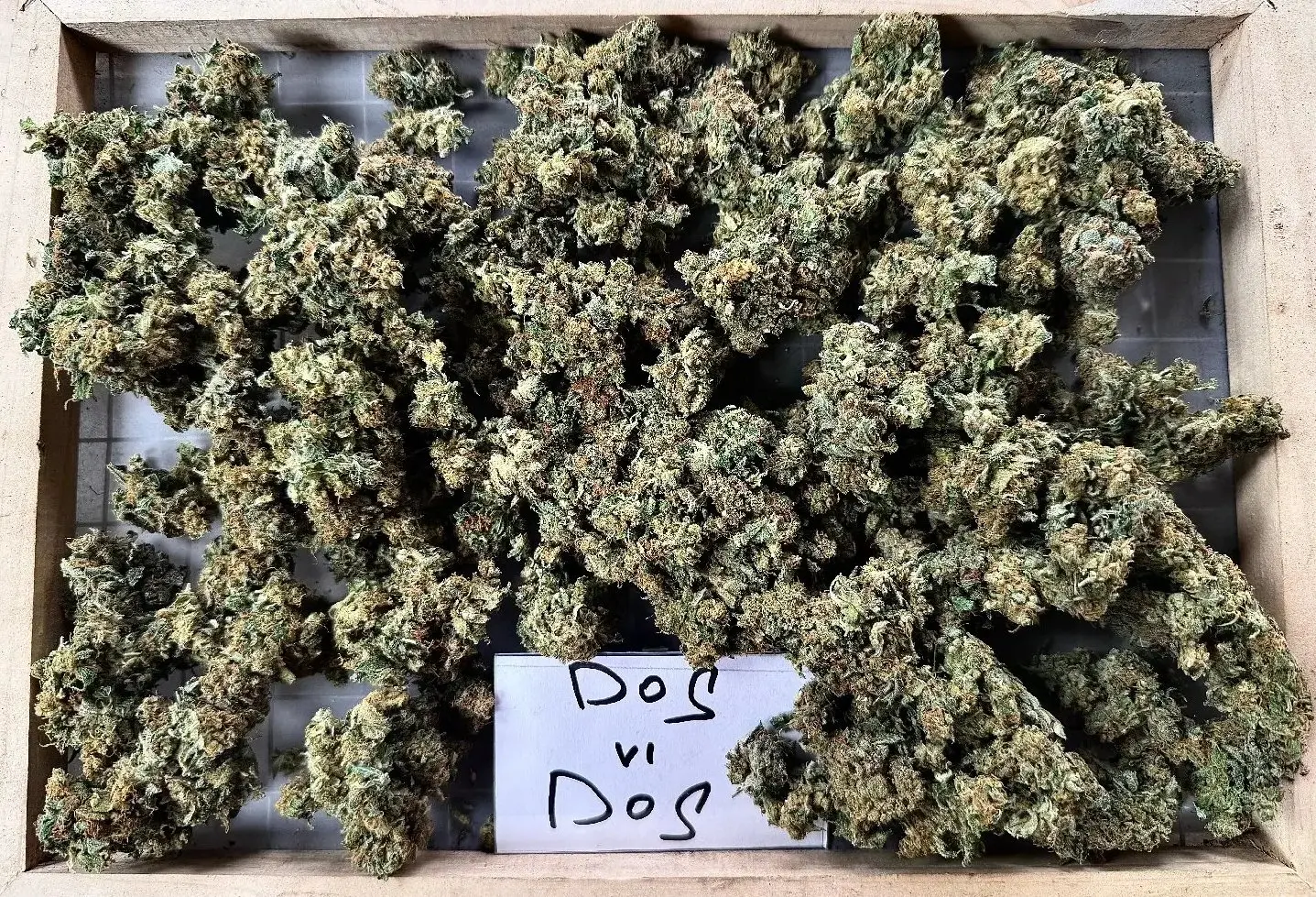
Call for medical guidance immediately: use Poison Control at 1-800-222-1222 in the United States, or dial 120 in China. State the product type, estimated amount, time swallowed, age, weight, and any alcohol or medicines involved. For local searches involving Buy Weed Chongqing, do not rely on seller instructions or online dosage claims; THC labels may be inaccurate, and edible effects can take up to 2 hours to appear.
Move the person away from driving, stairs, balconies, machinery, and additional substances. Stay with them in a quiet area, keep the package or photograph of the label, and record the brand, THC or CBD amount, and number of pieces. Do not induce vomiting, give alcohol, coffee, sleeping pills, or food to an unconscious person. If vomiting occurs, turn the person on their side; if unconscious but breathing, use the recovery position.
Dial 911 or 120 without delay for trouble breathing, blue or gray lips, seizure, chest pain, collapse, severe confusion, inability to wake, repeated vomiting, or unsafe behavior. Children may develop marked sleepiness, poor coordination, rapid heartbeat, confusion, or breathing difficulty after a small amount; contact Poison Control even when signs seem mild. The CDC advises emergency help for severe reactions. In the city, responders may direct patients to Chongqing Emergency Medical Center or The First Affiliated Hospital of Chongqing Medical University.
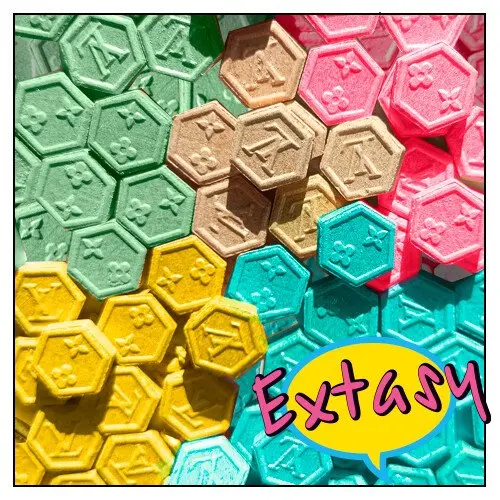
No. Cannabis is treated as a controlled narcotic in China, and buying, possessing, using, selling, or sharing it can lead to detention, fines, or criminal charges. Chongqing authorities may also inspect people, vehicles, luggage, and parcels at transport hubs and other locations.
There are no lawful recreational cannabis dispensaries for tourists in Chongqing. Websites, social-media accounts, hotel contacts, or street sellers that advertise delivery may be scams or may expose buyers to police action. Do not send identification, passport details, payment, or an address to such sellers.
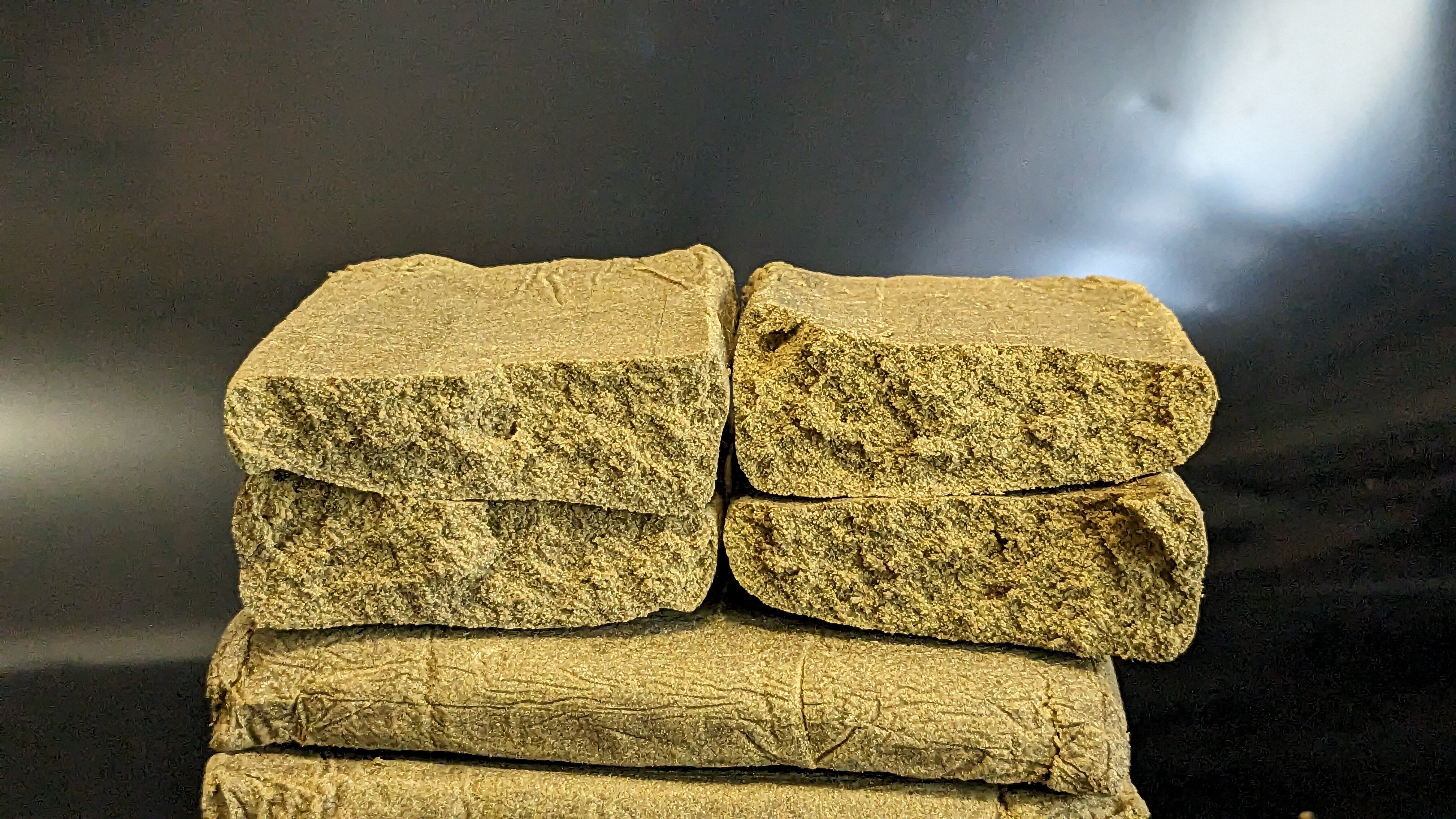
Do not bring these products into China. Chongqing’s official guidance lists marijuana and other addictive narcotic substances as prohibited for entry, while travel guidance warns that cannabis products, oils, edibles, and vaping liquids can create serious legal problems. A product bought lawfully in another country is not automatically accepted under Chinese law.
Decline, leave the location, and avoid touching or carrying any package. Do not arrange a meeting, place an order, or allow another person to store the item in your room or luggage. If you are worried that someone has placed cannabis in your belongings, contact your hotel, a local lawyer, your embassy or consulate, and the police before moving the item.
Speak with a licensed doctor in China and ask about treatments that are permitted there. Carry only medicines that meet Chinese entry rules, with the original packaging, a prescription, and supporting medical records. Do not assume that medical cannabis, THC products, CBD oil, or cannabis-based supplements are allowed because they are available in another country. If you already used cannabis and feel unwell, seek medical care and tell the clinician what you took.
No. Cannabis is treated as a controlled narcotic drug under Chinese law. Possession, use, sale, transport, cultivation, and import can lead to detention, criminal prosecution, fines, deportation, or more severe penalties depending on the facts of the case. Chongqing follows national Chinese law, so visitors should not expect the rules found in places where recreational cannabis is permitted.
There are no legal recreational cannabis dispensaries in Chongqing. A shop, website, social-media account, or hotel contact offering marijuana may be operating illegally or attempting to scam customers. Giving money to such a seller can expose a visitor to police action, counterfeit products, theft, or blackmail. Do not ask for local dealers, delivery services, hidden venues, or ways to avoid detection.
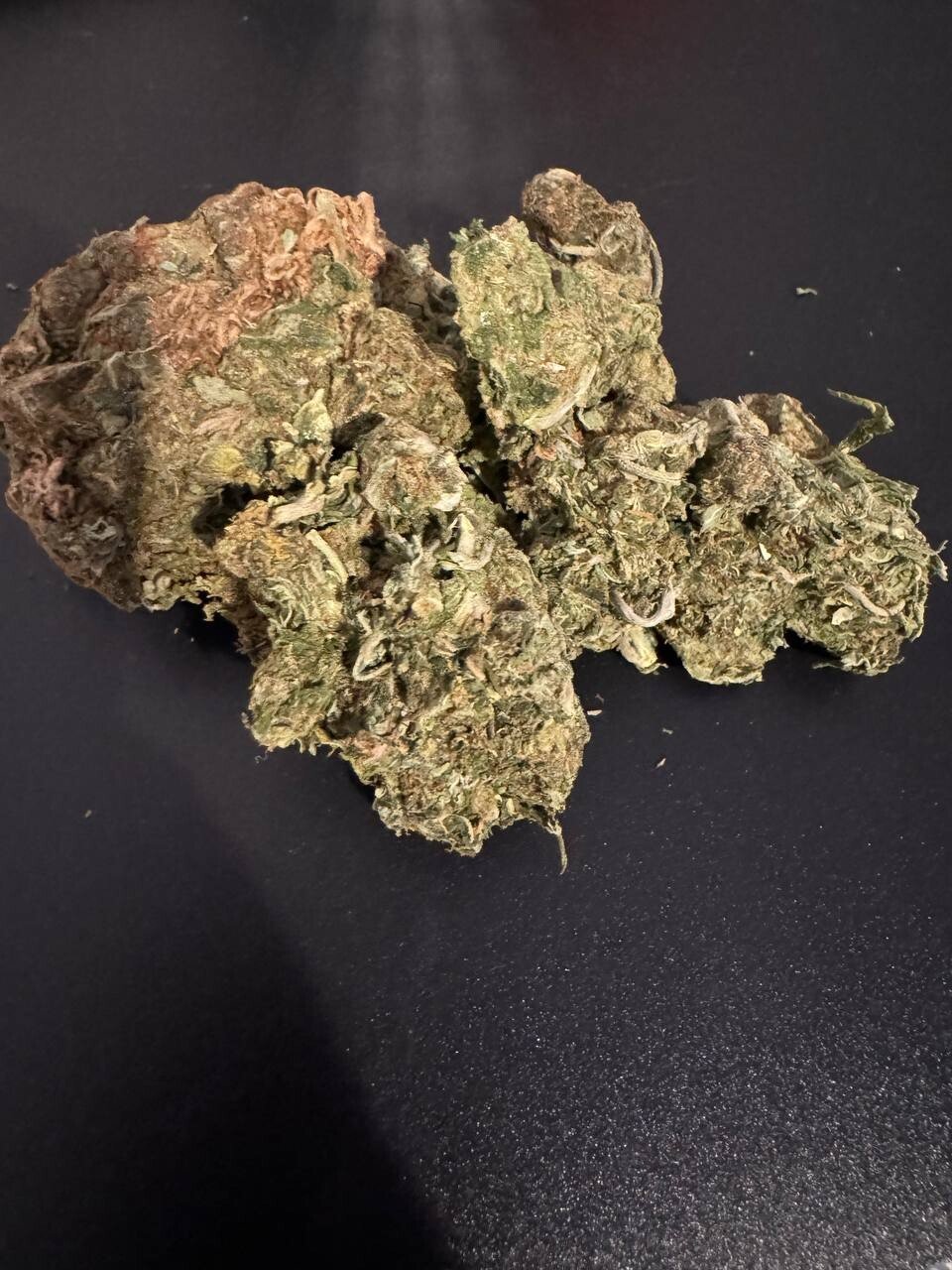
Travelers should not bring cannabis products into China without verified authorization from the relevant Chinese authorities. An official Chongqing government guidance page lists marijuana among narcotic substances prohibited from entering China, while Chinese drug regulations place strict controls on narcotic and psychotropic substances. Product labels from another country do not guarantee acceptance at customs. Check with the Chinese embassy or consulate and the airline before traveling; do not pack cannabis oil, gummies, flower, vape cartridges, or prescription products containing cannabis on your own assumption.
Decline the offer, leave the area, and avoid handling or carrying anything handed to you. Do not agree to store a package for another person, take a parcel across a border, or share your passport or hotel details with a seller. If you feel threatened or believe you have been targeted by a scam, contact your hotel, your consulate, or local authorities. If police question you, ask for an interpreter and consular assistance, and do not sign a document you cannot understand.
Speak with a licensed doctor before traveling and obtain written advice about lawful treatment options in China. A foreign prescription does not automatically authorize possession or import of cannabis products. Ask the Chinese embassy, consulate, or an official Chinese hospital about medicines that may be permitted and the documents required for travel. Never replace a prescribed treatment with an unverified product bought through social media or an informal contact. If you already have cannabis with you, do not carry it through customs; seek official guidance before taking further action.






