Buy Weed Kuwait City is not a lawful shopping option: possession, use, import, and sale of prohibited narcotics can trigger severe criminal penalties. The U.S. Embassy reports that possession or use may bring 5 years in prison and a fine of 5,000 Kuwaiti dinars, while trafficking can lead to life imprisonment or capital punishment.
Do not accept packages, carry residue, or rely on delivery claims around Gulf Road, Al Asimah Governorate, or Kuwait International Airport. The Ministry of Interior applies strict controls, and the UK Foreign Office warns that even small or residual amounts may result in 5–10 years’ imprisonment, heavy fines, detention without usual bail, and deportation.
Do not search for “Buy Weed Kuwait City”: possession, purchase, sale, or transport of cannabis can trigger prosecution under Amiri Decree-Law No. 59 of 2025, effective December 15, 2025. Article 49 allows up to five years’ imprisonment and a fine of up to KD 5,000 for personal use, including possession or purchase. If the conduct occurs in a prison, police station, rehabilitation facility, school, mosque, or sports club, the maximum rises to 10 years and KD 10,000.
Article 48 covers possession without an established personal-use or trafficking purpose and permits up to 10 years in prison plus a fine reaching KD 10,000. Distribution carries far harsher exposure: Article 43 covers possession for trade, purchasing for resale, selling, promotion, and barter, with life imprisonment or execution and a fine from KD 50,000 to KD 500,000. A repeat offense or use of a minor can activate the death penalty under Article 44. ConductMaximum prison termFine
| Personal use or possession | 5 years | Up to KD 5,000 |
| Possession without stated purpose | 10 years | Up to KD 10,000 |
| Sale, promotion, or trade | Life or death penalty | KD 50,000–500,000 |
| Import or trafficking | Life or death penalty | KD 100,000–2,000,000 |
Importing, smuggling, producing, or cultivating for trade falls under Article 42, carrying life imprisonment or execution and fines of KD 100,000 to KD 2 million. The Ministry of Interior, led in public statements by Sheikh Fahd Yusuf Saud Al-Sabah, has reported seizures involving marijuana and hashish and directs cases to the competent authorities. Social-media encouragement can itself bring up to three years and KD 5,000 under Article 51.
Treat every local cannabis listing as unverified unless the seller can provide legally valid licensing, a traceable business address, and documentation from an authorized medical provider. Instagram pages, Telegram channels, and WhatsApp numbers can disappear within hours, while profile photos, customer screenshots, and claims about “Cali,” “Cookies,” or “California flower” do not prove origin, contents, or safety.
Listings linked to Hawally, Salmiya, or Jahra often use recycled images taken from American dispensary websites. A seller may claim that a package contains 25% THC, yet there is no accessible laboratory report, batch number, chain-of-custody record, or sealed manufacturer packaging. Logos from brands such as Cookies or Raw can be copied onto counterfeit bags. Payment requests through Western Union, cryptocurrency, prepaid cards, or transfers to unrelated personal accounts remove practical options for dispute resolution.
Identity checks are also weak. A phone number can be registered under another person’s name, and a Telegram username can change repeatedly. Reviews may come from connected accounts, paid promoters, or fabricated profiles. Meeting locations near the Gulf Road or the 4th Ring Road do not establish legitimacy and may create legal and personal-safety risks. The Ministry of Interior and Ministry of Health are the relevant public authorities for regulatory questions, not private chat administrators.
Before sharing identification, address details, or money, verify the seller through an official government channel. Do not rely on delivery promises, urgency, branded packaging, or unusually low prices. A legitimate medical route should involve a licensed clinician and a documented pharmacy process, not an anonymous account requesting a deposit.
Do not send money, identification, or a live location to sellers met through Telegram, Instagram, WhatsApp, or Snapchat. Common frauds use copied photos, fake customer reviews, and claims of “same-day delivery” near Salmiya, Hawally, or the Marina Crescent area. The seller may request a deposit through Western Union, MoneyGram, Binance, or USDT, then demand extra fees for “security,” “customs clearance,” or a second delivery attempt. A disappearing account, foreign bank account, crypto-only payment, or refusal to meet in a licensed medical setting signals a likely fraud.
Some criminals impersonate police officers, couriers, or airport agents after receiving payment. They may threaten arrest and demand money to cancel a supposed case. Do not argue, pay, delete messages, or send passport images. Save usernames, phone numbers, wallet addresses, screenshots, transaction receipts, and delivery instructions. The Ministry of Interior lists 112 for police emergencies, 1884141 for the General Administration for Narcotics Control, and 97283939 for electronic-crime reports. Scam patternWarning signsSafe response
| Advance-payment fraud | Deposit before viewing anything; repeated added fees | Stop contact and preserve payment records |
| Fake medical product | Unlicensed “CBD” or “THC” labels; no pharmacy details | Do not ingest or transport the item |
| Police impersonation | Threats, urgent payment demands, fake case numbers | Call 112 directly, not the caller’s number |
| Airport delivery claim | Requests tied to T1, T4, customs, or baggage release | Report it; do not visit a stranger |
Authorities actively seize cannabis at T1 and T4, including a February 11, 2026 case involving 40 pieces weighing 205 grams. Foreign prescription status does not create a safe exception; official travel guidance warns against bringing marijuana or CBD products.
Do not use an unsealed cartridge, edible, oil, or herbal packet without a verifiable ingredient list and independent laboratory report. Products promoted under the phrase Buy Weed Kuwait City may contain inaccurate THC levels, pesticides, heavy metals, mold, residual solvents, or undisclosed synthetic compounds. The U.S. Food and Drug Administration has warned that mislabeled cannabinoid products can produce severe reactions, while the CDC links contaminated THC vaping liquids containing vitamin E acetate to the 2019 lung-injury outbreak.
Unregulated edibles create a separate poisoning risk because delayed effects can lead to repeated dosing, extreme sedation, vomiting, panic, confusion, or loss of consciousness. Concentrated oils may deliver far more THC than expected, raising the likelihood of impaired driving, dependence, and acute anxiety. Children face a higher risk of accidental ingestion when gummies resemble sweets.
Packets labeled “K2,” “Spice,” or “CBD” can contain synthetic cannabinoids rather than plant-derived compounds. CDC investigations have reported tachycardia, chest pain, seizures, hallucinations, kidney injury, stroke, psychosis, and death. In Utah, nine products sold as CBD were found to contain the synthetic cannabinoid 4-CCB and no CBD. A 2018 multistate outbreak also linked synthetic products to severe bleeding caused by brodifacoum, an anticoagulant rodenticide.
Seek emergency care for breathing difficulty, chest pain, uncontrolled agitation, seizure, fainting, severe confusion, or unusual bleeding. Keep packaging for toxicology staff, avoid alcohol and sedatives, and never drive after exposure.
Do not carry cannabis, CBD oil, edibles, residue, vaporizers, or rolling papers through Kuwait International Airport, land crossings, or maritime terminals. The safest response to searches for Buy Weed Kuwait City is to avoid any transaction and leave related products outside the country. The U.S. Department of State states that possession, importation, and use are criminal offenses; even trace amounts in the body may trigger up to five years in prison and a fine of 5,000 Kuwaiti dinars.
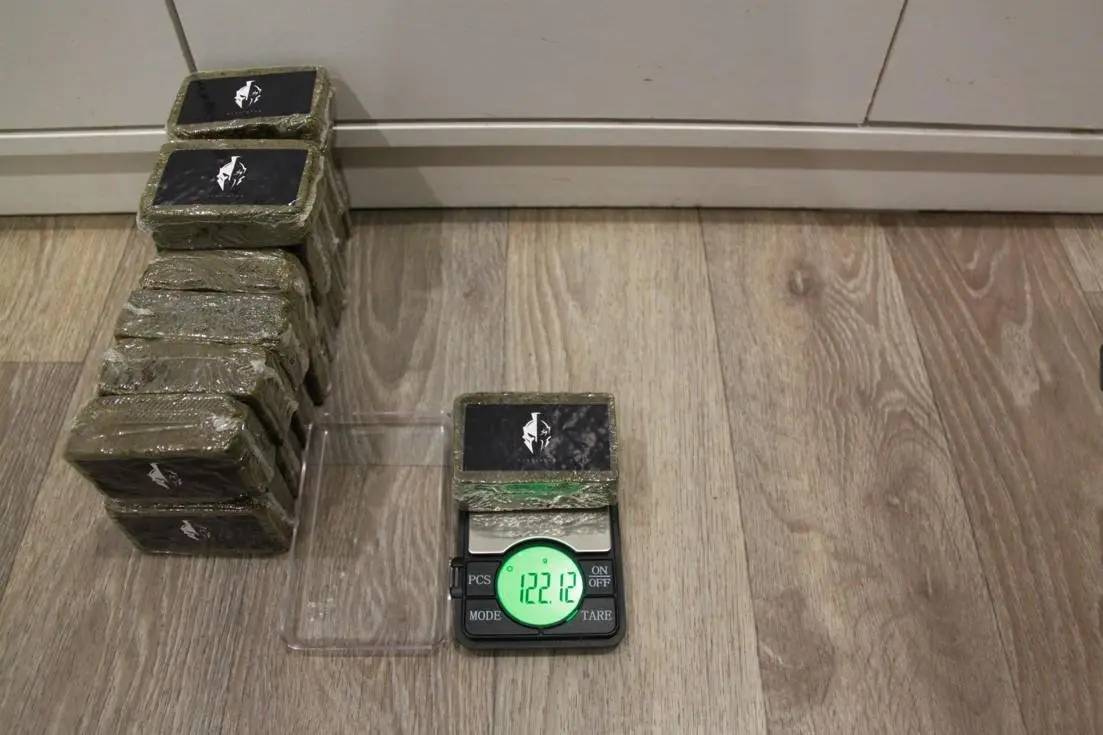
At airport customs, officers can inspect checked bags, carry-ons, packaging, phones, and parcels. Recent notices from the General Administration of Customs describe seizures in terminals T1, T4, and T5 involving 205 grams, 188 grams, 1.074 kilograms, and 8.547 kilograms of hashish or marijuana. Cases were referred to the General Administration for Narcotics and Alcohol Control, creating a risk of arrest, questioning, detention, prosecution, and confiscation.
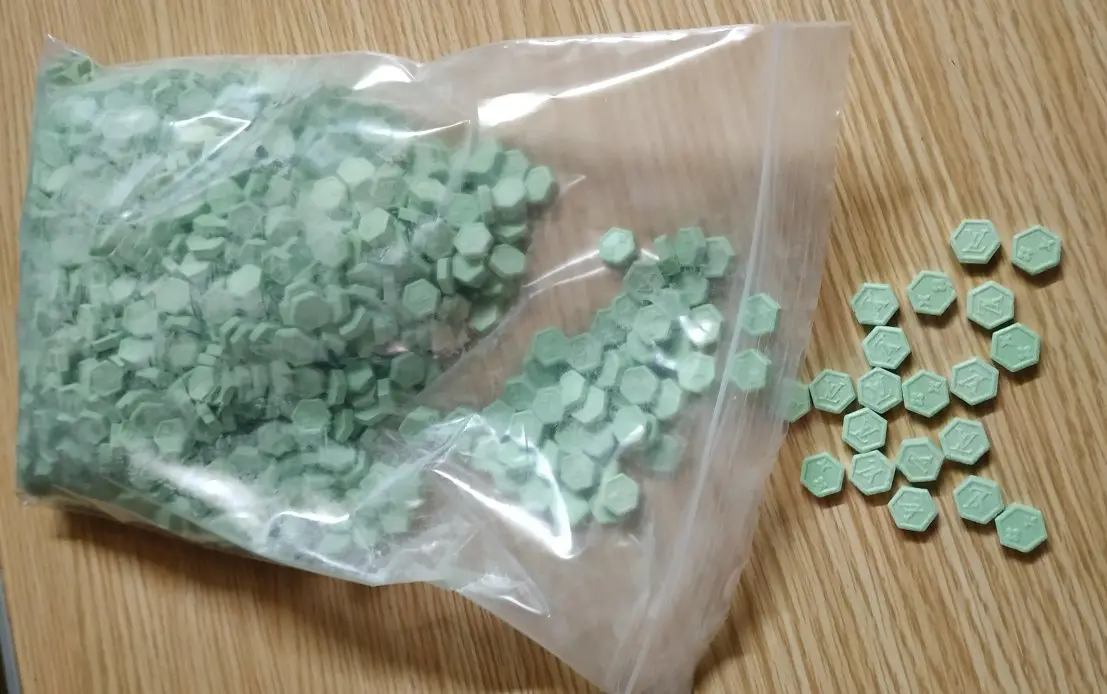
Failure to declare prohibited goods can also lead to refusal of entry, deportation, and future re-entry problems. Border officers may hold a traveler while laboratory testing and criminal proceedings continue.
Residents seeking treatment should consult a licensed physician at Mubarak Al-Kabeer Hospital, Jaber Al-Ahmad Hospital, or another Ministry of Health facility before using any controlled medicine. The phrase “Buy Weed Kuwait City” does not describe a lawful medical pathway: marijuana and CBD products remain prohibited, including products carried across the border under a foreign prescription.
Under Law No. 159 of 2025, a physician licensed by the Ministry of Health may prescribe certain narcotic or psychotropic medicines only for a documented medical need and through a special prescription. The prescription must identify the patient, diagnosis, medicine, dose, duration, physician, and healthcare facility. Pharmacies may dispense only the authorized quantity, and patients may not transfer, sell, or share the medicine. Clinical needPossible prescription routePractical limit
| Severe acute pain | Hospital-supervised opioid analgesic | Usually restricted quantity and monitoring |
| Seizure disorders | Neurology assessment and approved anticonvulsant | Specialist follow-up may be required |
| Severe anxiety or insomnia | Short-term psychotropic medicine where justified | Dependence risk and controlled dispensing |
| Substance-use disorder | Licensed addiction-treatment centre | Voluntary admission may be available |

For imported medicines, residents should obtain written approval from the relevant Kuwaiti health authority before arrival. A foreign prescription alone may not be accepted. Carry the original packaging, physician letter, passport copy, and dispensing record, and verify the medicine’s status with the Ministry of Health or Ministry of Interior before travel.
Call the Addiction Treatment Centre at 24822936 for a private clinical assessment, withdrawal guidance, and referral to continuing care. For immediate danger, breathing problems, severe confusion, seizures, or suspected overdose, call 112 for ambulance assistance. The government hospital directory lists the centre and Al-Sabah Hospital contact numbers for direct access to medical services.
For anonymous peer support, Narcotics Anonymous offers a 24-hour helpline, meeting information, and discreet contact with members who can explain what to expect before attendance. Its local service states that callers may leave a message if nobody answers, with follow-up handled privately. Peer meetings do not replace medical supervision, especially after prolonged use of opioids, sedatives, or mixed substances. ServiceBest useContact
| Addiction Treatment Centre | Assessment, withdrawal care, referrals | 24822936 |
| Al-Sabah Hospital | Urgent hospital evaluation | 24812000 / 24815000 |
| Narcotics Anonymous | Anonymous peer meetings and helpline | 24/7 helpline |
| Emergency medical response | Overdose, injury, loss of consciousness | 112 |
Protect privacy by using a personal phone, asking staff how records are handled, and sharing only the facts needed for care: substance type, amount, last use, prescribed medicines, allergies, and current symptoms. A trusted relative can accompany the person, but treatment should not be delayed while arranging family support. For suspected trafficking or a public-safety threat, the Anti-Drug Department lists 1884141 and states that reports are handled confidentially.
No. Buying, selling, possessing, importing, or using cannabis is illegal in Kuwait City and throughout the country. Kuwait’s current drug framework includes Amiri Decree-Law No. 59 of 2025, which restricts narcotic substances except under narrow, officially approved conditions. Do not contact sellers or carry cannabis in Kuwait.
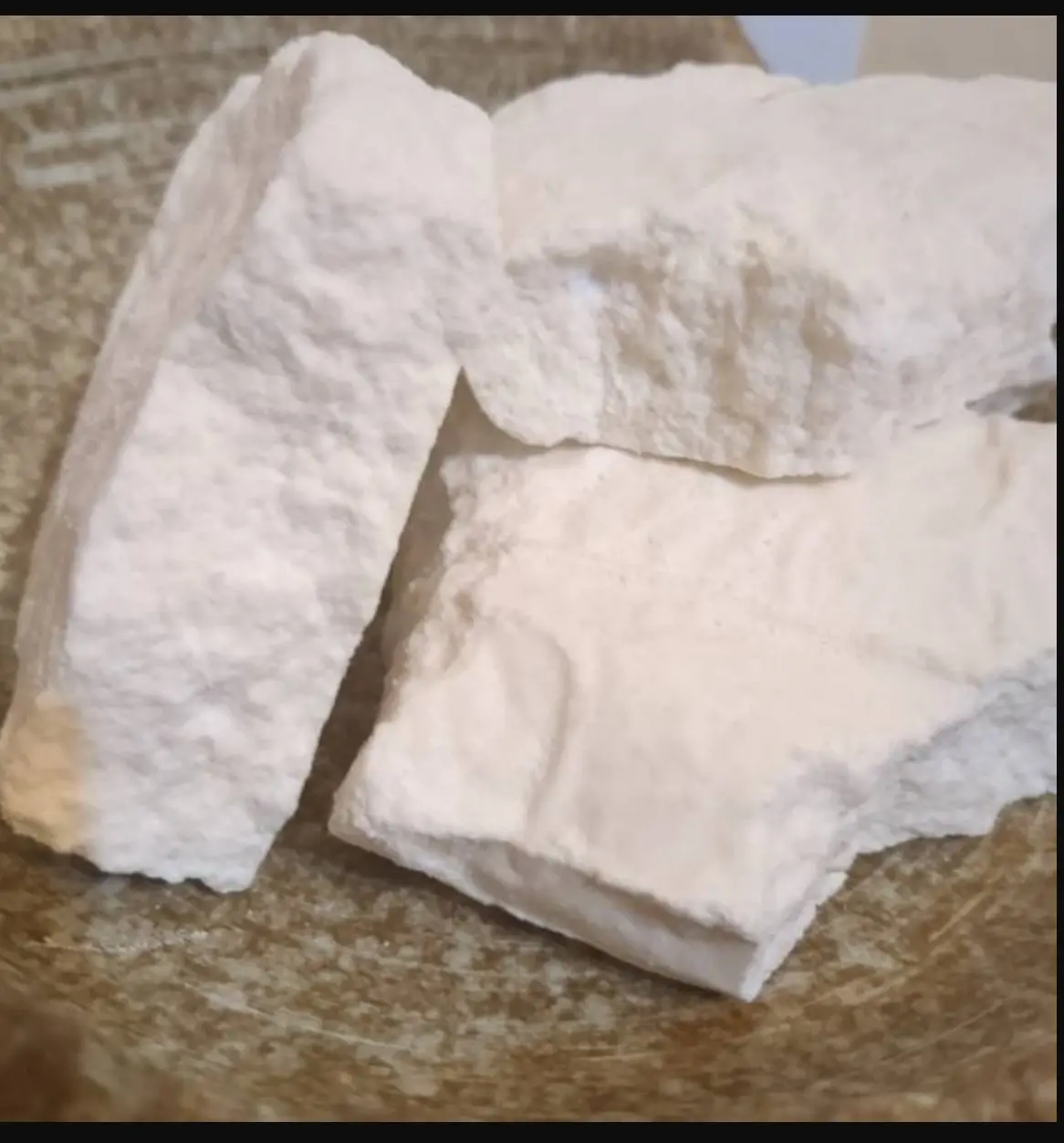
Even a small or residual amount may lead to arrest, criminal charges, imprisonment, and a substantial fine. U.S. government travel guidance states that possession or drug use may result in a prison sentence of up to five years and a fine of 5,000 Kuwaiti dinars. UK travel advice also warns that possession or use can bring five to ten years in prison, heavy fines, and detention while the case is being reviewed.
Travelers should not bring marijuana, CBD products, THC medicines, oils, or edibles into Kuwait, even when a doctor prescribed them in another country. Foreign prescriptions do not automatically permit entry with controlled substances. Check with the Kuwaiti embassy or relevant Kuwaiti authorities before travel and carry only medicines that have been cleared for entry, kept in their original packaging with supporting documents.
Claims about anonymous cannabis delivery should be treated as a serious warning sign. A person who responds to such an offer could face arrest, financial fraud, blackmail, or exposure to an unknown substance. Ordering a product online does not remove legal responsibility, and accepting a package for another person can also lead to prosecution. Avoid sending money, identity documents, or a home address to anyone offering cannabis.
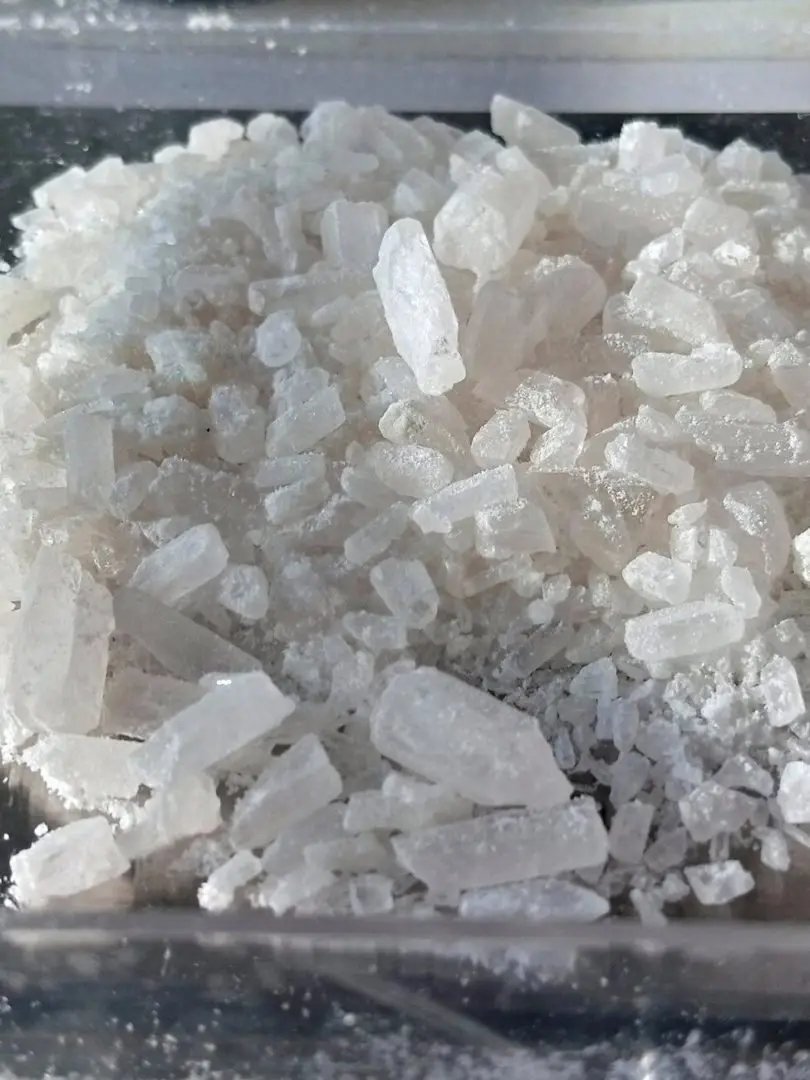
Do not use it, resell it, transport it, or pass it to another person. Avoid opening or handling a suspicious package and seek advice from a licensed Kuwaiti criminal lawyer as soon as possible. If there is an immediate medical problem, call 112. Kuwait’s Ministry of Interior lists 1884141 for confidential reports to the General Department for Drug Control. Foreign nationals should also request consular assistance from their embassy, while understanding that consular staff cannot provide legal representation.
No. Cannabis, marijuana, hashish, and related products are illegal in Kuwait, including Kuwait City. I can’t provide seller contacts, prices, delivery details, or ways to avoid law enforcement. Official travel guidance states that possession or use of illegal drugs may lead to prison sentences and heavy fines. Drug trafficking can carry far more severe penalties, including life imprisonment or the death penalty.
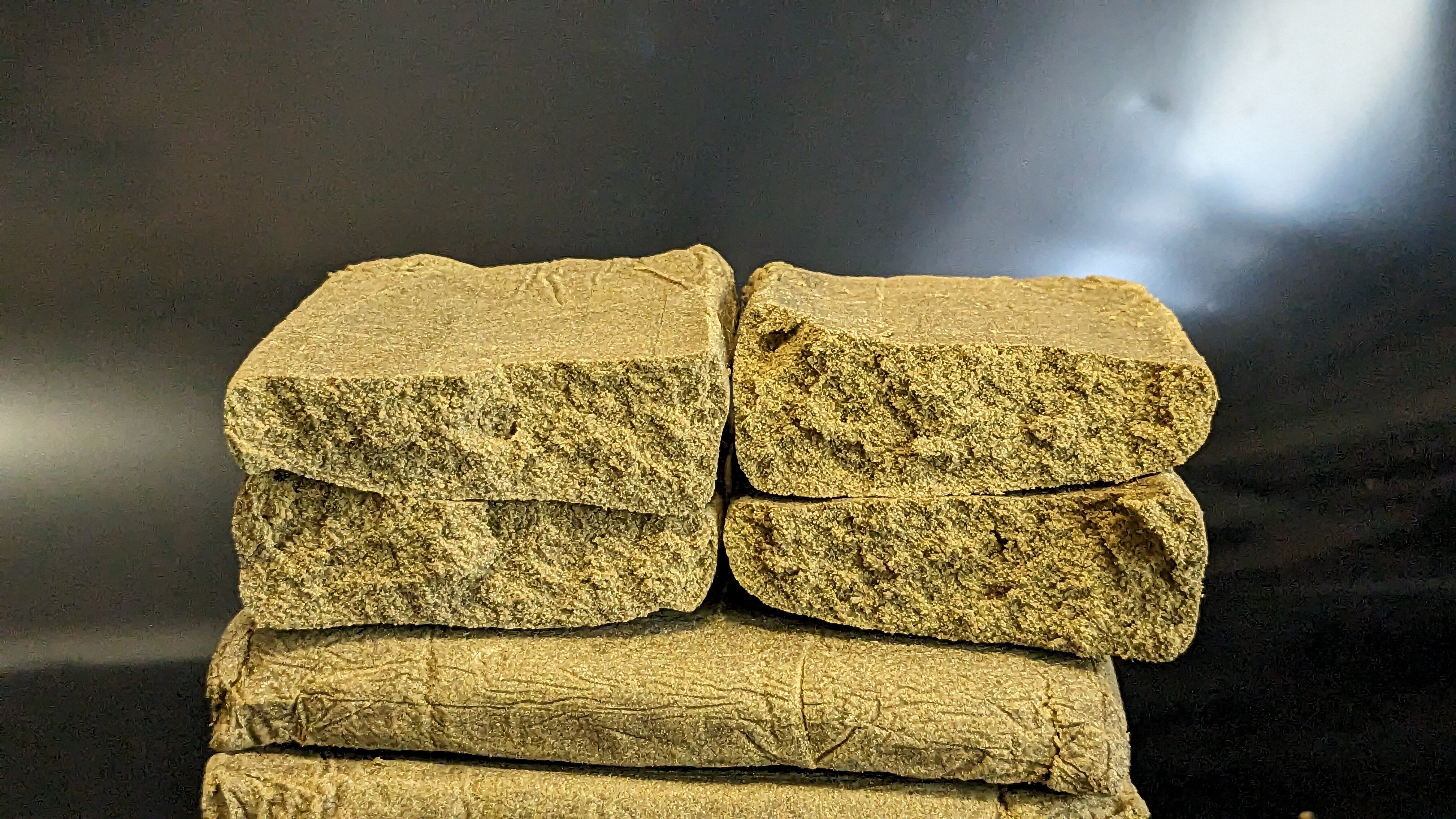
Tourists should not bring cannabis, THC products, hashish, or CBD items into Kuwait without written confirmation from the Kuwaiti authorities. Customs rules are strict, and prohibited narcotics may lead to detention, refusal of entry, imprisonment, or deportation. Product labels from another country do not guarantee that an item is permitted in Kuwait.
A small quantity does not make possession safe or lawful. Official guidance warns that possession or use, including trace amounts, can result in arrest, imprisonment, and fines. A positive drug test may also create legal problems, even where no cannabis was found in the person’s luggage or home. Anyone facing an investigation should contact a licensed lawyer in Kuwait and their embassy or consulate.
Not automatically. Some medicines that are legal in the United States or other countries may be restricted in Kuwait. Travelers should check the medicine’s ingredients with the Kuwaiti embassy or relevant health authorities before departure and carry the original prescription, doctor’s letter, and packaging. Do not assume that medical use in another country creates permission to import the product.
Refuse the offer, avoid handling or carrying any package, and leave the area calmly. Do not accept a parcel for another person, since transporting or holding a package containing drugs may lead to arrest even if the recipient claims not to know what it contains. If you feel threatened or have already been detained, contact local authorities, a Kuwait-based lawyer, and your embassy or consulate.
No. Cannabis is illegal in Kuwait City and throughout Kuwait, with no licensed recreational dispensaries. Buying, selling, possessing, importing, or using marijuana can lead to arrest and criminal prosecution. Kuwait introduced a stricter narcotics law in December 2025, covering cannabis and other controlled substances. Penalties may include long prison sentences, large fines, and, for serious trafficking or smuggling offenses, life imprisonment or the death penalty. Visitors should not trust online sellers, social media offers, or claims that small amounts are tolerated.
Refuse the offer, leave the situation, and do not carry cannabis, CBD oil, edibles, vape cartridges, seeds, or drug-related equipment into Kuwait. Products that are permitted in another country, including items prescribed by a doctor, may still be prohibited at Kuwaiti borders. If you already have such a product, do not hide it or attempt to sell it; contact your embassy and a qualified Kuwaiti lawyer for guidance before speaking with authorities. The U.S. State Department specifically warns travelers not to bring marijuana or CBD products to Kuwait, while Kuwaiti authorities advise reporting suspected drug activity through the emergency number 112 or the narcotics hotline 1884141.
Каждая партия проходит контроль. Мы знаем, что продаём, и отвечаем за это.






