For anyone searching “Buy Weed Stockholm,” the lawful route is medical care, not informal sellers: Swedish law prohibits purchasing, possessing, using, or distributing narcotic cannabis under Act 1968:64. Contact a licensed clinic and verify prescriptions through Apoteket AB or another authorized pharmacy.
Läkemedelsverket lists Sativex as a prescription-only cannabis medicine classified as a Schedule II narcotic. CBD products containing THC may also be illegal, while the industrial-hemp exemption applies only under specific conditions, including THC below 0.2%.
Do not possess, consume, purchase, transport, grow, or distribute cannabis in Sweden. Under the Narcotic Drugs Penal Act, SFS 1968:64, personal use and possession are criminal offences, not administrative violations. The Swedish Police Authority lists hashish and marijuana among prohibited narcotics, while the Government confirms that use, possession, purchase, sale, and transfer are punishable. A prescription medicine may be lawful, but ordinary recreational products are not.
Enforcement may begin with police observation, a report, seizure of material, and a preliminary investigation. Where there are legal grounds, officers can search a person or premises; suspected consumption may also lead to urine or blood testing. Online ordering creates additional risk: attempting to obtain a controlled substance without delivery can still qualify as an offence. Foreign visitors face the same rules as residents, and importation across the border is separately prohibited. Offence categoryPossible sanction
| Minor narcotics offence | Fines or up to 6 months’ imprisonment |
| Ordinary narcotics offence | 14 days to 3 years’ imprisonment |
| Sale or transfer for distribution | 6 months to 3 years’ imprisonment |
| Very serious narcotics offence | 2 to 10 years’ imprisonment |
Minor cases are often handled through a prosecutor’s summary penalty notice rather than a full trial. A conviction involving a fine can also trigger a 1,000 SEK Crime Victim Fund charge. Swedish Police guidance states that fines are recorded in the criminal register for 5 years, while a fine combined with a conditional sentence remains for 10 years.
Do not treat the search phrase Buy Weed Stockholm as evidence of a legal retail market. Sweden applies one national narcotics framework, so city authorities cannot authorize recreational cannabis shops, delivery services, or private dispensaries. The Swedish Police Authority states that possession, use, purchase, sale, transport, cultivation, and import of cannabis are criminal offences under the Narcotic Drugs Penal Act. A minor narcotics offence may bring a fine or up to six months in prison; selling narcotics carries imprisonment from six months to three years.
The policy rests on a prevention model that treats cannabis as an illegal narcotic rather than a consumer product. The Public Health Agency of Sweden identifies cannabis as the country’s most common narcotic substance and reports that adult use has remained relatively stable over the past decade. Officials also link illegal distribution with organized crime, which makes regulated sales politically difficult while criminal networks remain active in metropolitan areas.
The capital is also a major logistics centre for drug distribution, alongside Gothenburg and Malmö. In April 2024, Swedish Customs and the Police seized 1.3 tonnes of cocaine at Norvik Port near Nynäshamn, with an estimated street value of up to SEK 1.2 billion. Although that seizure involved cocaine, it illustrates why national agencies frame narcotics markets as organized-crime and border-control issues rather than ordinary commerce.
There is a narrow medical pathway: prescribed narcotic medicines may be used only by the patient and within the prescription. That exception does not create a recreational market, permit café consumption, or legalize personal cultivation. Products marketed as hemp or novel cannabinoids also require caution, since Swedish authorities can classify substances such as delta-9-THCA-A as narcotics.
Reject any seller demanding payment through cryptocurrency, gift cards, or a private Swish number before showing verifiable business details. Fraudsters often copy logos from HHC brands, reuse photographs, and promise delivery within 30 minutes. A request for BankID codes, passport scans, or a “refundable customs fee” signals an attempt to steal identity or money. Treat the message "" as a warning sign when the offer contains no batch number, laboratory report, age check, or traceable company address.
Adulterated products may contain synthetic cannabinoids, undisclosed stimulants, pesticides, mold, or excessive THC. Avoid cartridges with leaking oil, burnt plastic smells, missing ingredient lists, or labels that only say “premium.” Names such as California Kush, Gelato, or Blue Dream do not prove origin or composition. A QR code can lead to a copied website rather than a genuine certificate; compare the laboratory name, report date, batch ID, and measured cannabinoid values.
Telegram and Snapchat accounts can disappear overnight, while legitimate services normally provide a registered business identity, written terms, secure age verification, and a support channel independent of one private profile. Europol and Swedish consumer-protection guidance also support checking payment security and seller identity before any transaction. If symptoms such as chest pain, confusion, seizures, or severe vomiting appear after use, call 112 and provide the package or product details.
Contact a licensed physician through 1177 Vårdguiden, your regional primary-care clinic, or a specialist department before seeking cannabinoid treatment. Swedish doctors assess diagnosis, previous therapies, psychiatric history, liver function, pregnancy status, and drug interactions. Unlicensed online sellers cannot replace a medical examination or issue a valid Swedish prescription.
Ask whether an authorised product matches your condition. Sativex, marketed by Almirall, is a prescription-only mouth spray for adults with moderate-to-severe multiple-sclerosis spasticity after inadequate response to other treatment. Epidyolex, supplied by Jazz Pharmaceuticals, is a 100 mg/ml cannabidiol solution used with other antiepileptic medicines for Dravet syndrome, Lennox–Gastaut syndrome, and tuberous sclerosis complex in patients aged 2 years and older. MedicineMain authorised usePrescription status
| Sativex | MS-related spasticity in adults | Prescription-only; not included in the high-cost protection scheme |
| Epidyolex | Selected rare epilepsy syndromes and TSC | Prescription-only; limited high-cost protection |
| Unlicensed preparation | Case-specific specialist treatment | Requires medical justification and pharmacy handling |
A specialist may consider an unlicensed or pharmacy-compounded preparation when authorised alternatives are unsuitable, but approval is not automatic. Ask the prescriber to document the indication, dosage, monitoring plan, and follow-up interval. Collect the medicine from an approved pharmacy such as Apoteket, Kronans Apotek, or a licensed online pharmacy displaying the EU pharmacy symbol. Do not import cannabis products independently: THC-containing material may fall under Swedish narcotics controls, and possession or transport can create criminal-law risks.
Do not carry, consume, acquire, or transfer cannabis in Sweden without a lawful medical or scientific basis. Under the Swedish Narkotikastrafflag (1968:64), simple possession or use may be treated as ringa narkotikabrott, punishable by fines or imprisonment for up to six months. Police seizure, questioning, and a criminal record can follow a small amount found in a private residence, vehicle, or public place. The Swedish Police Authority lists hashish and marijuana among substances whose handling is illegal.
Acquiring cannabis for resale, storing it for customers, arranging buyer–seller contacts, or holding payment proceeds carries a higher scale: imprisonment from six months to three years for a standard drug-trafficking offence. A serious offence may bring two to seven years, while an exceptionally serious offence can result in six to ten years. Courts assess quantity, commercial purpose, organization, duration, and whether minors were targeted. ConductPossible statutory penalty
| Personal possession or use, minor case | Fines or up to 6 months’ imprisonment |
| Possession or transfer linked to resale | 6 months–3 years’ imprisonment |
| Serious organized distribution | 2–7 years’ imprisonment |
| Exceptionally serious trafficking | 6–10 years’ imprisonment |
Bringing cannabis across the border can create a separate narcotics-smuggling charge under Lag (2000:1225). A minor smuggling case carries fines or up to six months, while serious smuggling may lead to two to seven years, and exceptionally serious smuggling to six to ten years. Swedish authorities may also confiscate the substance, money, vehicles, phones, or equipment connected with the offence.
Do not use cartridges, gummies, oils, or flower without verified laboratory testing and a clear ingredient list. Unregulated batches may contain pesticides, heavy metals, fungi, bacteria, undisclosed THC, or synthetic cannabinoids. The FDA has found that some cannabinoid products do not match their labels and may contain contaminants linked to liver injury, drug interactions, sedation, and infections.
Potency errors can trigger severe anxiety, panic, confusion, vomiting, rapid heartbeat, hallucinations, or loss of consciousness. Edibles create a specific poisoning risk because effects may appear later, encouraging repeated dosing. The EUDA reports products exceeding 90% THC and cases of fatal poisoning from sweets containing potent synthetic cannabinoids. In Dublin, six children aged 3–10 required treatment for THC poisoning after eating infused confectionery.
Vape liquids deserve extra caution. During the 2019 U.S. EVALI outbreak, THC vaping products containing vitamin E acetate were linked to most cases; the CDC recorded more than 2,800 emergency-department visits and 68 confirmed deaths. Chest pain, shortness of breath, persistent cough, fever, severe drowsiness, seizures, or repeated vomiting require urgent medical help.

Do not carry, use, buy, sell, share, cultivate, or transport cannabis during a visit to Sweden. Under SFS 1968:64, possession and use of narcotics are criminal offences, including small amounts intended for personal consumption. Swedish Customs, known as Tullverket, also prohibits bringing narcotics into or out of the country, whether the journey starts in Denmark, Norway, another EU state, or outside Europe.
Keep luggage, clothing, cars, and accommodation free from cannabis residue, edibles, oils, vape cartridges, and THC products. A product sold legally abroad may still be treated as a narcotic under Swedish law. Tullverket can seize prohibited goods at Arlanda Airport, ferry terminals, train crossings, and other border points. Do not rely on packaging, a foreign receipt, or a claim that the product is for personal use.
The Swedish Police Authority lists cannabis, including hashish and marijuana, among narcotic substances covered by drug-offence rules. A minor offence may still lead to police action, testing, fines, prosecution, travel disruption, or immigration complications. Visitors should contact Polisen at 114 14 for non-emergency guidance, or call 112 during an immediate emergency.
Do not drive after using cannabis or any other prohibited substance. In Sweden, cannabis possession and use are criminal offences, and a driver may face a drug-driving investigation after a police stop, collision, or observed impairment. Polisen states that driving after taking narcotics is prohibited; aggravated cases can result in imprisonment for up to two years. Transportstyrelsen may also withdraw a driving licence, with serious drug-driving cases carrying a minimum two-year disqualification period.
A positive result can affect employment, especially for drivers, forklift operators, construction staff, healthcare workers, and employees handling machinery. Employers such as Volvo, PostNord, and SL may apply internal safety policies, collective-agreement rules, or occupational-health procedures. Arbetsmiljöverket permits medical examinations and sampling as part of workplace health and risk control, while regulated occupational examinations must not cost the employee and can generally be declined. A refusal may still trigger a separate fitness-for-duty assessment under company rules. SituationLikely actionPossible consequence
| Police roadside suspicion | Clinical assessment and biological sample | Investigation, licence suspension, criminal charge |
| Workplace screening | Urine, blood, or other test under employer policy | Removal from safety-sensitive duties |
| Confirmed workplace result | Meeting with HR or occupational health | Warning, treatment plan, or dismissal risk |
| Collision involving impairment | Police report and medical evaluation | Criminal liability, insurance disputes, licence loss |
Keep prescriptions, medical records, and laboratory documentation available if a prescribed medicine is involved. Do not rely on feeling sober: Transportstyrelsen lists cannabis among substances that can affect driving ability, and Swedish traffic law may apply when the substance is present in blood.
Call 1177 for confidential healthcare advice and ask for a local addiction clinic, primary-care appointment, or youth clinic. Swedish healthcare staff have a duty of confidentiality, and many clinics accept digital contact through 1177. Explain how often you use cannabis, whether you experience anxiety or sleep problems, and what happens when you try to stop.
For anonymous guidance before contacting healthcare, use Droghjälpen by telephone or email. The service also supports relatives who are worried about someone’s use. Adults can contact Beroendecentrum Stockholm through 1177 or Alltid öppet; its services include a cannabis programme, counselling, and support for close relatives. Young people aged 15–17 may ask Maria Ungdom about its cannabis programme. OptionBest forPrivacy and access
| 1177 | Finding medical care | Confidential; phone or digital contact |
| Droghjälpen | Anonymous questions | Phone or email; also for relatives |
| Beroendecentrum Stockholm | Structured adult treatment | Referral or self-contact through 1177 |
| Maria Ungdom | Young people aged 15–17 | Youth-focused cannabis support |
Prepare three details before speaking with a counsellor: the last use, average weekly amount, and any withdrawal symptoms such as irritability, sweating, nausea, anxiety, or heart palpitations. Motivational interviewing and cognitive behavioural therapy are recognised treatment options. Seek urgent care for suicidal thoughts, thoughts of harming someone, severe confusion, or an acute mental-health crisis; call 112 for immediate danger or 1177 for urgent medical guidance.
No. In Sweden, buying, possessing, using, selling, and transferring cannabis are criminal offences. This applies to both residents and visitors, and the law does not change because the amount is small or the transaction takes place through a website or messaging app. Swedish authorities also treat online drug orders as potential narcotics offences.
Tourists are subject to the same Swedish rules as everyone else. Buying from a street seller, private contact, social media account, or delivery service can lead to police action, confiscation, and a criminal investigation. A foreign visitor may also face problems with travel plans, residence matters, or future entry into Sweden. The safest choice is not to arrange a purchase and not to carry cannabis while travelling.
There are no recreational cannabis dispensaries in Stockholm. If you have a medical condition, speak with a licensed healthcare provider rather than contacting an informal seller. Swedish healthcare professionals decide whether a prescription medicine is suitable for a patient, and prescription medicines must be obtained through approved medical channels. You can contact a healthcare centre or call 1177 for medical guidance in English.
There is no reliable way to confirm the quality, strength, ingredients, or origin of cannabis offered through illegal websites. Such pages may collect payment details, send a different substance, disappear after receiving money, or expose buyers to criminal networks. Ordering online does not avoid Swedish drug laws; police activity in Stockholm has included cases involving narcotics ordered through the post. Do not provide personal information or payment details to an illegal seller.
Do not carry it, resell it, post it, or travel with it. If you feel unwell after using cannabis, seek medical advice and be honest about what you took, how much you used, and when you used it. Call 1177 for healthcare advice; call 112 for a serious or life-threatening emergency. If police contact you, ask for legal advice before answering detailed questions. The Swedish Police Authority provides information in English, and drug offences are handled under Swedish narcotics law.
No. Buying, possessing, using, selling, transporting, or arranging the purchase of cannabis is illegal in Sweden, including Stockholm. Swedish police list cannabis as a narcotic drug, and violations may lead to criminal charges. This also applies to purchases made through social media, encrypted messaging services, or websites claiming to deliver cannabis.
Tourists are subject to the same Swedish drug laws as residents. A foreign passport does not create an exemption, and bringing cannabis into Sweden from another country is also prohibited. Visitors should avoid street sellers, online vendors, and private delivery offers, since these transactions may involve arrest, scams, theft, or substances that are not what the seller claims.
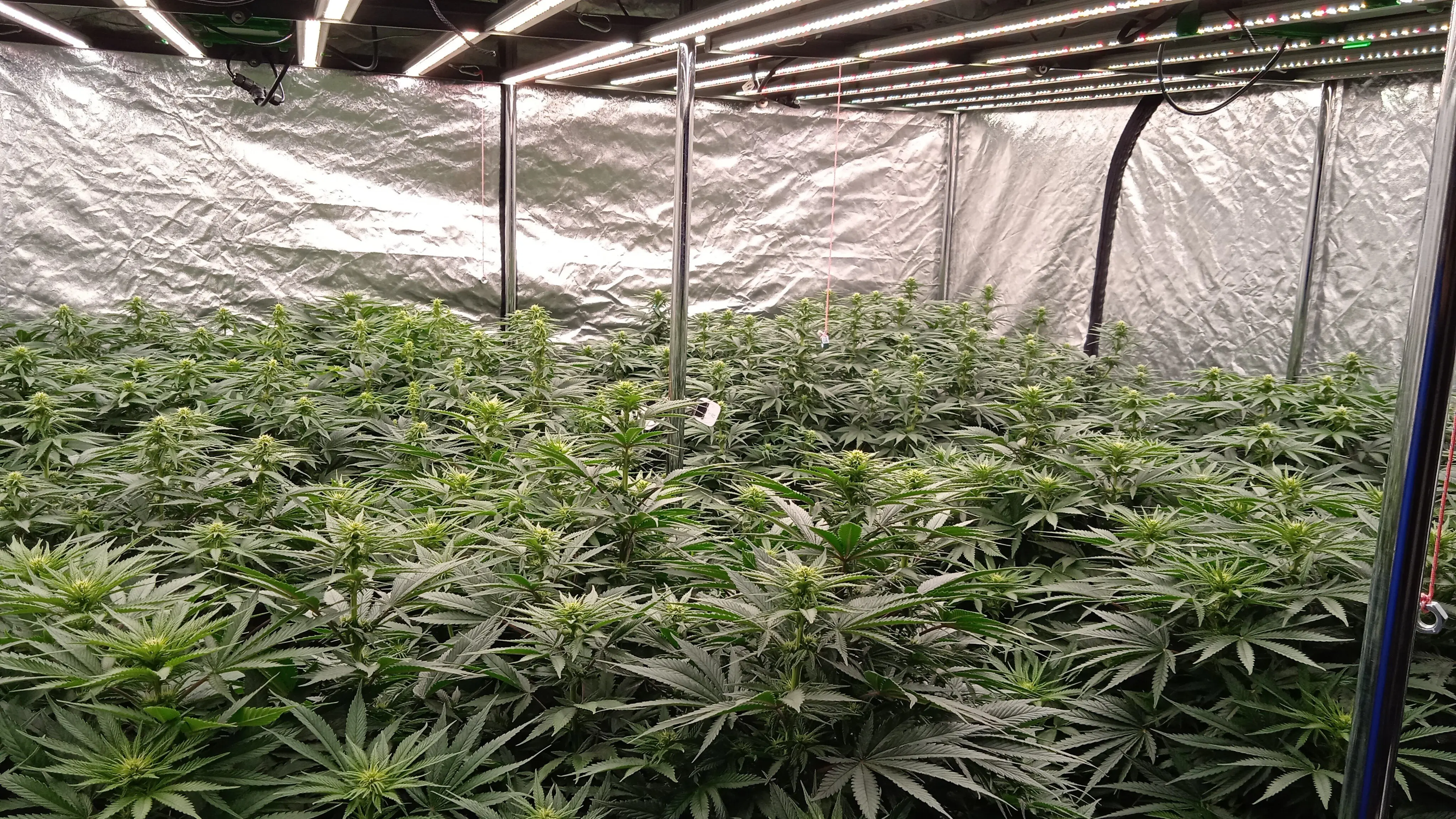
Some cannabis-based medicines may be prescribed in Sweden for specific medical conditions, but this is handled through a doctor and a licensed pharmacy. A prescription medicine is not the same as recreational cannabis bought from an unlicensed seller. Patients should speak with a Swedish healthcare provider about approved treatments, eligibility, possible side effects, and any rules for carrying prescribed medicine across the border. Licensed pharmacies are the safer source for prescription products.
CBD products are not automatically legal just because they contain little or no THC. Product classification, ingredients, medical claims, and the presence of controlled substances can affect whether a product may be sold or possessed. Before buying CBD oil, flowers, gummies, or similar items, check the current guidance from the Swedish Medical Products Agency and use a legitimate retailer that provides clear ingredient and compliance information.
Do not agree to meet a seller or send money in advance. Leave the area if you feel unsafe, avoid handling an unknown substance, and contact the police if there is pressure, a threat, or suspected criminal activity. If someone has taken an unknown drug and develops breathing problems, loses consciousness, has severe confusion, or suffers a seizure, call Sweden’s emergency number, 112. For health advice in Sweden, contact 1177.
No. In Sweden, buying, possessing, using, selling, transporting, growing, or importing cannabis is prohibited. This includes hashish and marijuana purchased for personal use. A prescription for a controlled medicine may create an exception, but that does not make non-prescribed cannabis legal. Visitors should also avoid carrying cannabis across the Swedish border, since customs authorities may seize prohibited substances and investigate suspected offences.
Do not agree to buy it, arrange a meeting, transfer money, or accept a package. Save messages only if you need them for a report, avoid forwarding the material, and contact the police if you feel threatened or suspect criminal activity. If a parcel arrives from abroad, do not open or redistribute it; Swedish Customs has authority to seize suspected narcotics, and importing drugs into Sweden is prohibited. For a health concern after using an unknown substance, call emergency services at 112.
Каждая партия проходит контроль. Мы знаем, что продаём, и отвечаем за это.






