“Buy Weed Guilin” is not a lawful or safe request in China. Cannabis, THC, CBD, vapes, and edibles may lead to detention, prison, fines, deportation, or harsher penalties.
Visitors near Yangshuo West Street, the Li River, or Guilin Liangjiang International Airport should not seek sellers or carry related products, including items prescribed abroad. This guide covers airport screening, possible drug testing, and legal options through licensed hospitals and pharmacies.
Avoid attempting to purchase cannabis in Guilin, Guangxi. China’s Anti-Drug Law classifies marijuana as a controlled narcotic, while unlawful possession, use, storage, transport, or supply can trigger police action. The Criminal Law provides prison terms and fines for drug offences; trafficking or transport can carry far more severe penalties than a small personal-use case.
Do not carry cannabis, THC oils, edibles, vape cartridges, or residue through Guilin Liangjiang International Airport, railway stations, hotels, or border checkpoints. Chinese customs guidance lists marijuana among prohibited narcotics, including products presented as medicine. A foreign passport does not create an exemption, and a prescription from the United States, Canada, or Thailand may not authorize possession in China.
OptionLegal risk in ChinaSafer substitute
| Unlicensed cannabis | Severe and unpredictable | Decline and leave |
| Imported THC medicine | May be prohibited at customs | Ask a licensed Chinese doctor |
| Relaxation in Yangshuo | No drug involvement | Li River walk or tea house |
| Sleep or anxiety support | Self-medication risk | Hospital or clinic consultation |
No. Cannabis possession is not permitted under the law of the People’s Republic of China. The Anti-Drug Law expressly classifies marijuana as a narcotic drug and prohibits its illegal manufacture, trafficking, transport, storage, supply, possession, and use. These rules apply throughout mainland China, including Beijing, Shanghai, Yunnan, and Guangxi.
Article 348 of the Criminal Law creates liability for illegal possession of narcotic drugs. The penalty depends on the quantity and circumstances: a relatively large quantity may lead to imprisonment of up to three years, criminal detention, or public surveillance, together with a fine; serious cases may bring three to seven years. Possession of a large quantity can result in at least seven years’ imprisonment or life imprisonment, plus a fine. ConductLegal positionPossible consequence
| Small personal amount | Still unlawful | Public-security detention or criminal proceedings |
| Relatively large quantity | Criminal offence | Up to 3 years, detention, supervision, and fine |
| Serious possession case | Criminal offence | 3–7 years and fine |
| Large quantity | Major criminal offence | At least 7 years or life imprisonment |
The Supreme People’s Court lists 5 kilograms of cannabis oil, 10 kilograms of cannabis resin, or 150 kilograms of cannabis leaves and smoking material as “large quantity” thresholds under its 2016 judicial interpretation. Those figures do not create a safe personal-use limit; smaller amounts can still trigger administrative or criminal action. Cultivation, importation, sale, consumption, and supplying another person create separate risks under Articles 347, 351, 353, and 354.
Do not purchase, carry, or transport cannabis in Guilin or elsewhere in Guangxi. China’s Anti-Drug Law classifies marijuana as a controlled narcotic, with no recreational-use exception for visitors, residents, or foreign nationals. A purchaser found with a small amount may face 10–15 days of administrative detention and a fine of up to RMB 2,000 under Article 72 of the Public Security Administration Punishments Law. Drug use can trigger the same administrative range, while the substance may be seized and the person recorded by the public-security authorities.
Carrying cannabis through Guilin Liangjiang International Airport, railway stations, hotels, or roads can support a possession, transport, or trafficking investigation. Article 348 of the Criminal Law allows imprisonment for possession of a relatively large quantity, while Article 347 treats trafficking, transport, or manufacture as criminal offences regardless of quantity. Small-scale trafficking may bring up to 3 years’ imprisonment, criminal detention, or public surveillance plus a fine; serious cases may bring 3–7 years, and large quantities can bring 15 years, life imprisonment, or death with confiscation of property. ConductPossible consequenceLegal basis
| Personal possession or use | 10–15 days’ detention; fine up to RMB 2,000 | Article 72 |
| Providing cannabis to another person | 10–15 days’ detention; fine up to RMB 2,000 | Article 72 |
| Selling or transporting a small quantity | Up to 3 years, detention, or surveillance plus a fine | Article 347 |
| Large-scale trafficking | 15 years, life imprisonment, or death; property confiscation | Article 347 |
Carry no cannabis, THC, CBD, oils, edibles, vape cartridges, or residue into China, including products prescribed or legally purchased abroad. Chinese authorities apply strict controls to possession, consumption, sharing, storage, and trafficking. A positive test may create problems even when use occurred before arrival, and convictions can lead to heavy fines, long imprisonment, or the death penalty.
Before flying through Beijing Capital International Airport or another Chinese port, inspect every suitcase, toiletry bag, jacket pocket, and electronic-vaporizer case. Do not accept parcels, gifts, or luggage from another person. Remove labels and packaging associated with cannabis products, but do not assume that removing a label makes the item lawful. Chinese Customs lists cannabis and other addictive narcotic or psychotropic substances among prohibited imports.
Do not ask taxi drivers, hotel staff, nightlife venues, WeChat contacts, or street sellers for controlled substances. Avoid private parties where unknown powders, pills, cigarettes, or vape liquids are offered. A foreign passport does not provide immunity, and an investigation can include detention lasting months or years; authorities may also restrict departure while a case is open.
For prescription medicine, keep the original container, a doctor’s letter, and the prescription, then verify entry rules with the Chinese embassy or consulate before departure. If questioned, remain calm, do not sign documents you cannot understand, request an interpreter, and contact your embassy. U.S. citizens can contact the U.S. Embassy in Beijing or a consulate, but consular staff cannot cancel an investigation or act as defense counsel.
Never send money, passport details, or identity documents to an anonymous seller advertising “Buy Weed Guilin.” Treat requests for cryptocurrency, Alipay transfers, prepaid cards, or deposits as fraud signals, especially when the seller promises delivery through WeChat, Telegram, or private courier networks. Legitimate medical channels do not guarantee secrecy, instant delivery, or unusually low prices such as ¥200 for a large quantity.
Check the account history, phone number, and payment name before replying. Fraudsters often copy logos from brands such as Cookies, Runtz, or California-based dispensaries, then use stolen product photographs and fabricated reviews. A seller claiming to operate near Zhengyang Pedestrian Street, Guilin Liangjiang International Airport, or a local hotel may be inventing a location to appear credible. Screenshots of “customs clearance,” police permits, or shipping labels can also be forged.
Scammers may threaten arrest after receiving a deposit, then demand additional money from the victim. Stop communication, contact your bank or Alipay immediately, and report the incident through China’s 110 emergency line if there is an immediate threat. Never meet an unknown seller alone, carry prohibited substances, or attempt cross-border shipping through Guangxi.
Do not consume products advertised through anonymous listings such as “Buy Weed Guilin” unless the package comes from a licensed retailer and includes a recent, batch-specific certificate of analysis. Unverified flower, cartridges, oils, and edibles may contain pesticides, mold, bacteria, heavy metals, residual solvents, or synthetic cannabinoids that are absent from the label. The FDA has reported concerns about inaccurate cannabinoid concentrations, undisclosed ingredients, and contamination in unapproved cannabis-derived products.
Mislabeling can also cause accidental poisoning. An edible marked as 10 mg THC may contain a much higher dose, while delayed effects can lead a person to consume more before the first serving takes effect. The CDC warns that edibles carry a greater poisoning risk than smoked products, particularly for children. In December 2017 through 2018, Utah Poison Control Center investigations linked products labeled as CBD with emergency-department visits after testing identified synthetic cannabinoids.
Unverified vape cartridges pose separate respiratory hazards. Illicit formulations may contain cutting agents such as vitamin E acetate, unknown flavor compounds, or concentrated delta-8 THC made through poorly controlled chemical processes. The FDA has cited variable potency, inconsistent formulations, and possible manufacturing contaminants in delta-8 products. Smoking also exposes lung tissue to harmful combustion products, while high-THC concentrates may increase impairment and the risk of cannabis use disorder.
Do not reply, click links, send money, share your location, or provide identification. Save the message with its sender name, phone number, username, timestamps, payment request, and any attached images. A message containing the phrase Buy Weed Guilin, unusual spelling, cryptocurrency instructions, or pressure to meet may be a scam or an attempt to collect personal data.
Take screenshots before deleting anything. On WeChat, Telegram, WhatsApp, Apple Messages, or Google Messages, use the built-in report and block functions. Do not arrange a meeting at Reed Flute Cave, Zhengyang Pedestrian Street, Guilin Liangjiang International Airport, or any private address. If the sender claims to represent a company, verify the claim through the company’s official website rather than using links in the message.
Do not forward the content to friends as a joke or attempt to expose the sender yourself. Keep the original files, avoid editing screenshots, and record the exact date and time. If a minor received the message, tell a parent, school counselor, or police officer and preserve the conversation before blocking the account.
Book a licensed massage, join a morning tai chi class, or ask your hotel wellness desk about a quiet breathing session. These options support relaxation without legal risk or uncertain products.
Pair gentle movement with water, regular meals, and an unhurried visit to the Li River or Reed Flute Cave. If anxiety, insomnia, or panic persists, contact a licensed medical provider and avoid unverified substances.
No. Cannabis is treated as a controlled narcotic under Chinese law, and buying, possessing, using, selling, or transporting it can lead to serious legal consequences. Guilin is subject to these national rules. Do not rely on claims that cannabis is tolerated in a particular neighborhood or that small amounts are ignored.
No. A product that is legal in another country may still be prohibited in China. This can include dried cannabis, oils, vape cartridges, edibles, and other products containing cannabis compounds. Foreign travel authorities warn that Chinese law may apply to products carried into the country, used before arrival, or detected through a drug test after entry.
They should not be treated as reliable or safe. Such listings may be scams, traps, or attempts to obtain personal information and payment details. Contacting a seller can also create legal exposure, even when no purchase takes place. Avoid sending identification documents, hotel details, phone numbers, cryptocurrency, or deposits to unknown accounts. If a listing claims that cannabis is “legal for foreigners,” regard that as a warning sign rather than proof.
Refuse clearly, leave the area, and avoid handling or carrying the item. Do not agree to store a package for another person or take a parcel across a border. If you feel pressured, threatened, or deceived, move to a public place and contact your hotel, local authorities, or your country’s consular service. Do not attempt to solve the situation by contacting another seller.
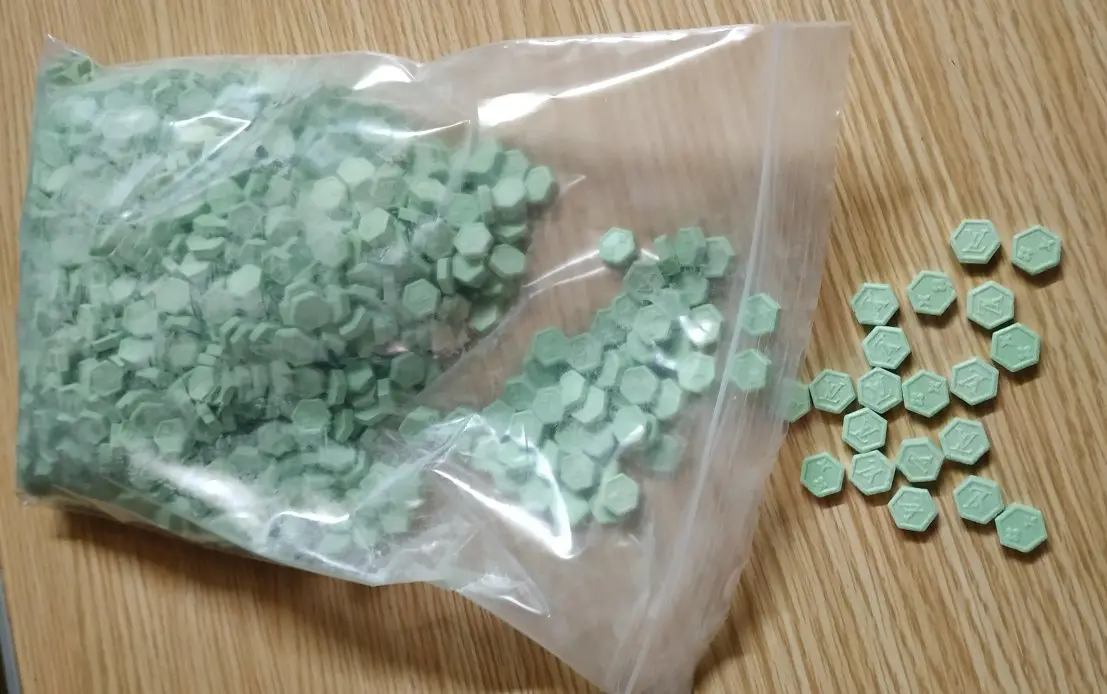
Speak with a qualified doctor before traveling and bring only medicines that Chinese authorities permit. Do not assume that a cannabis prescription from another country will be accepted. Chinese government guidance lists marijuana among substances that cannot normally be brought into the country, while limited rules for controlled medicines may require official documentation and prior approval. Check current requirements with the relevant Chinese authority and your consulate before departure.
No. Cannabis is illegal in Guilin and throughout mainland China. Buying, possessing, using, sharing, or selling marijuana can lead to arrest and criminal prosecution. Chinese authorities apply strict drug laws, and penalties may include heavy fines, long prison terms, or, for serious cases, the death penalty.
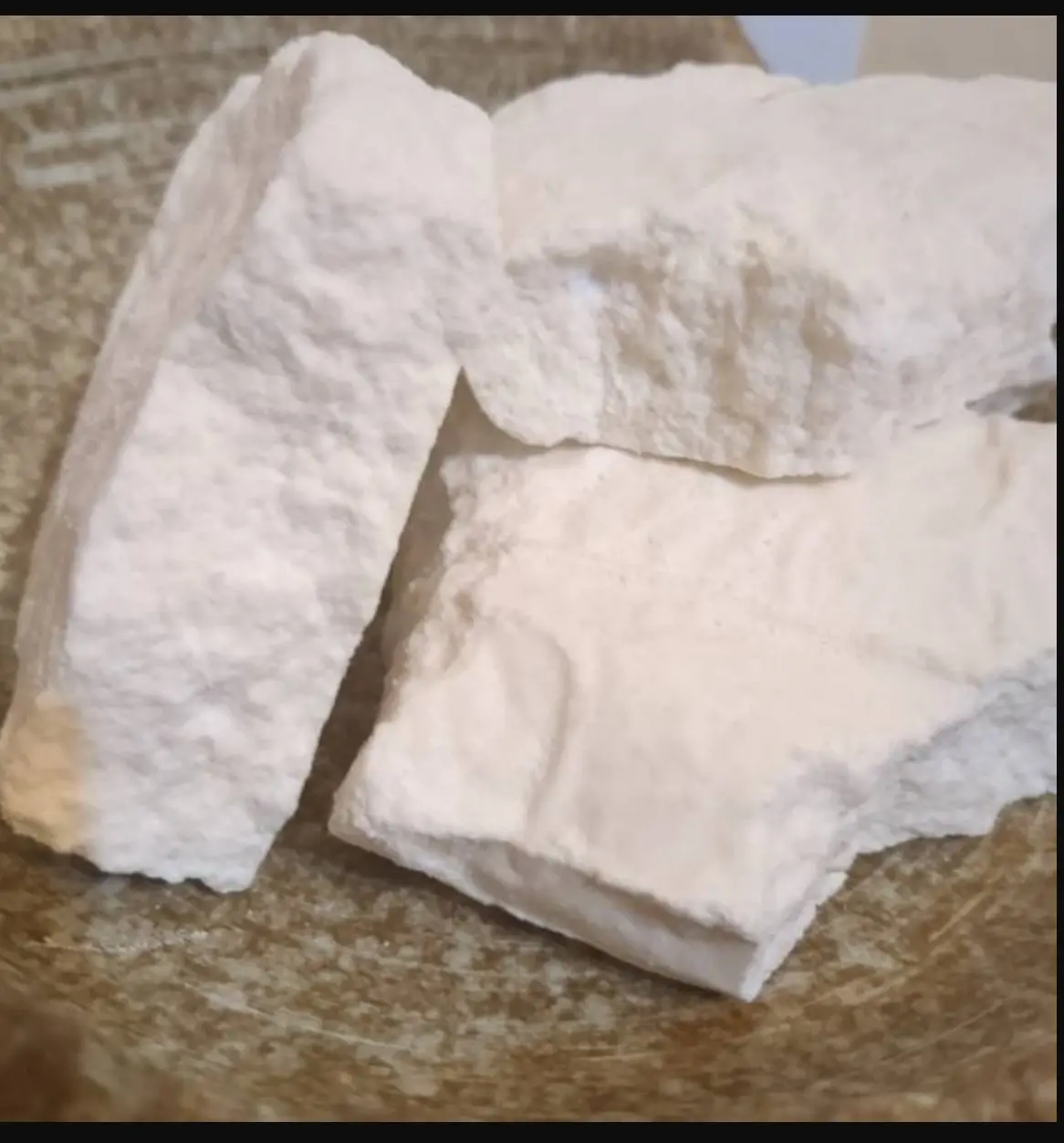
Trying to arrange delivery is not a safe or lawful option. Online listings may be scams, police operations, or attempts to collect passport details and payment information. A delivery arranged through social media, messaging apps, or an informal website can still be treated as drug purchasing or possession. Do not send money, identity documents, or your hotel address to a seller.
Do not assume that a product is permitted because it is sold legally in another country. Chinese authorities may treat cannabis-derived products, oils, vape liquids, and edibles as illegal drugs. This can also apply to products prescribed abroad. Travelers have faced testing, detention, fines, deportation, and criminal charges after drug-related issues in China.
A foreign visitor may be detained, questioned, tested, fined, deported, or prosecuted. A positive drug test can create problems even when consumption happened outside China, since Chinese authorities may act after entry if the test is positive. Serious drug cases can bring long prison sentences or harsher penalties. A consulate may offer contact assistance, but it cannot cancel local criminal proceedings or provide a defense in court.
Refuse the offer, leave the area, and avoid handling any package or substance. Do not agree to store something for another person, carry it across a border, or take it to an airport. If you are worried that you have been given a suspicious item, do not open or move it; contact your hotel management or local authorities for guidance. If police become involved, ask for an interpreter and request contact with your embassy or consulate. For a prescribed medicine, carry the original packaging and check Chinese import rules before travel.
Каждая партия проходит контроль. Мы знаем, что продаём, и отвечаем за это.






