Buy Weed Guangzhou is not a legal or safe option: Chinese law classifies marijuana as a controlled narcotic, while Guangdong regulations prohibit sale, supply, possession, and use.
Travelers should avoid cannabis, THC oils, edibles, and vaping products, including items legally purchased abroad. Guidance from the U.S. Department of State warns that penalties may include lengthy imprisonment, substantial fines, or the death penalty; consult the Guangdong Anti-Drug Regulation and the Supreme People’s Court before carrying any controlled product.
Do not carry, purchase, cultivate, share, or advertise cannabis in mainland China. The National Anti-Drug Law classifies cannabis as a narcotic, while the Criminal Law targets trafficking, transportation, manufacture, possession-related conduct, and unlawful cultivation. Article 351 requires illegal cannabis plants to be eradicated; enforcement does not depend on a recreational-use market or a permitted personal quantity.
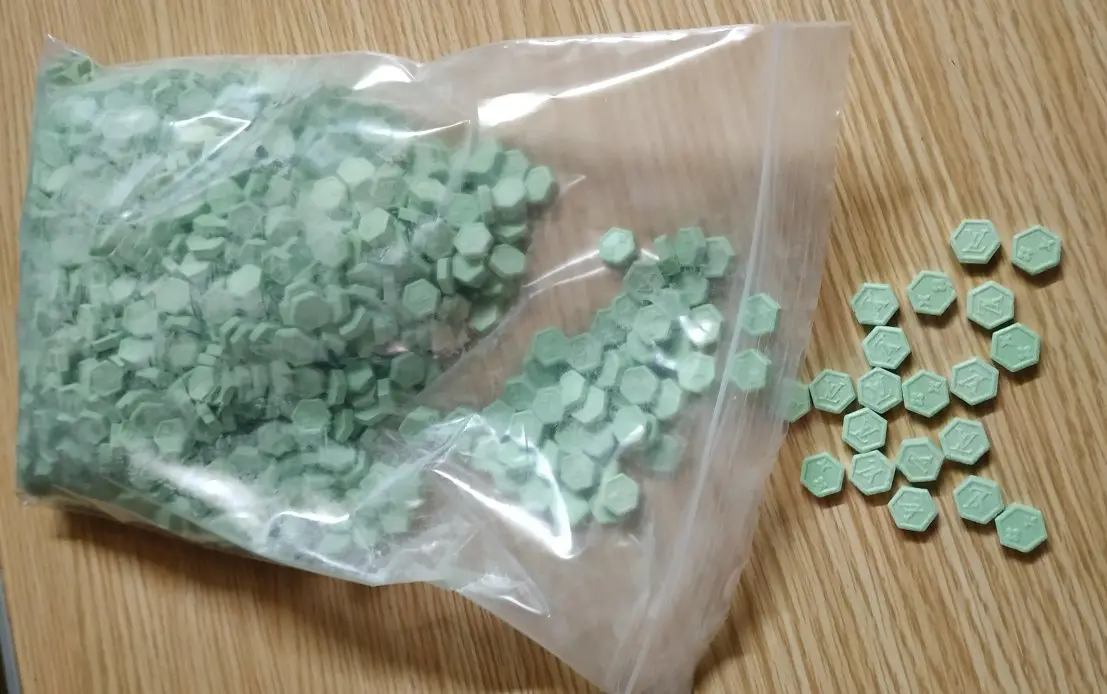
For visitors, foreign residents, and couriers, the safest rule is zero possession: do not bring flower, resin, edibles, vape cartridges, seeds, or products containing THC through Baiyun International Airport, Nansha Port, railway stations, or hotels. A product purchased legally in Canada, the United States, Thailand, or the Netherlands may still create criminal exposure after entering China. Medical claims do not create a general exemption; controlled narcotic medicines require formal authorization and regulated channels.
Guangzhou enforcement combines narcotics investigations, venue inspections, border and transport checks, hair or urine testing, and administrative control of suspected users. Guangdong regulations authorize police checks at ports, airports, stations, docks, and urban rail facilities. Entertainment venues face closure, fines, and possible license cancellation when dealing or consumption occurs on site.
Recent local indicators show a hard enforcement posture. Guangzhou Intermediate People’s Court reported that 11.11% of first-instance narcotics cases from June 2025 through May 2026 involved overseas drug factors, while more than 30% received heavy sentences. A 2025 administrative review in Zengcheng also recorded cannabis screening within a broader drug-testing procedure.

Do not carry cannabis through Guangzhou Baiyun International Airport, ship it by courier, or keep it at home. China treats cannabis as a controlled narcotic, and the same conduct can trigger administrative sanctions or criminal prosecution depending on quantity, purpose, evidence, and prior conduct. The Anti-Drug Law prohibits unlawful possession, supply, transport, and importation of controlled narcotic substances.
Possession is covered by Article 348 of the Criminal Law. Large quantities may bring at least 7 years’ imprisonment or life imprisonment, plus a fine. Smaller quantities may lead to detention, correctional control, or imprisonment of up to 3 years, with harsher treatment where circumstances are serious. Administrative detention and fines may apply to lower-level possession under the Public Security Administration Punishments Law. ConductPossible consequenceLegal reference
| Personal possession | Detention, fine, or criminal imprisonment depending on quantity and facts | Articles 348 and 72 |
| Distribution or sale | Up to 3 years for small quantities; 7+ years for larger quantities | Article 347 |
| Major trafficking | 15 years, life imprisonment, or death, with property confiscation | Article 347 |
| Importation or smuggling | Criminal liability regardless of quantity; customs seizure and prosecution | Articles 347 and 22 |
Liwan District Court reported a case involving Liang, who ordered cannabis overseas, received it through international mail, and sold 361.43 grams domestically at RMB 150–180 per gram. The court imposed 3 years and 6 months’ imprisonment and a RMB 50,000 fine. Importing for resale can therefore produce charges for both smuggling and distribution, while police may also seize phones, payment records, packaging, and property connected to the conduct.
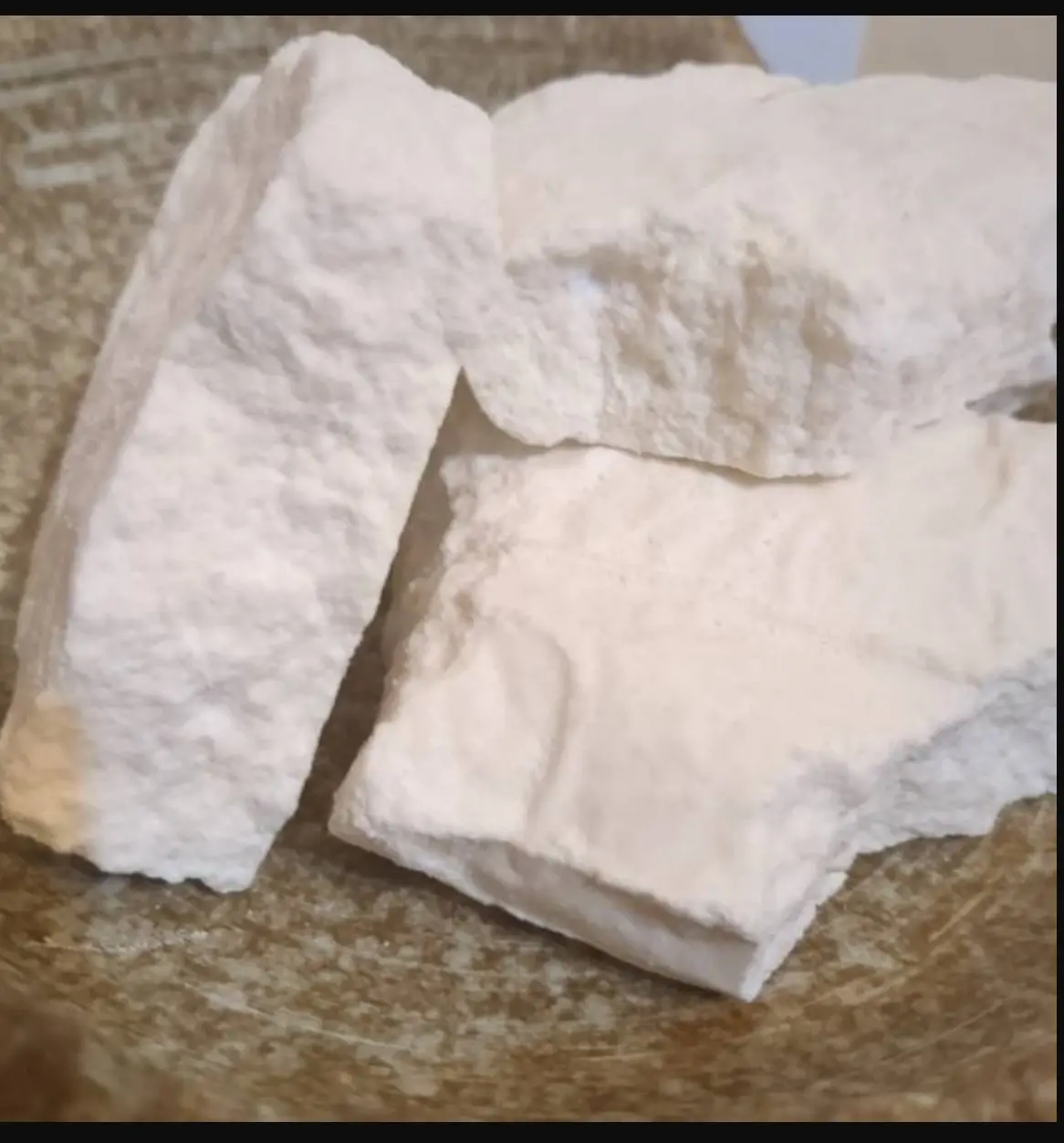
Do not carry, use, purchase, share, or transport cannabis, CBD products, vape cartridges, gummies, oils, or unidentified medication in mainland China. Chinese authorities apply severe penalties to possession and consumption, including long imprisonment, substantial fines, deportation, and, for serious narcotics offences, the death penalty. A substance permitted in California, Canada, Thailand, or the Netherlands remains illegal after arrival at Baiyun International Airport. A positive blood, urine, or hair test may also lead to detention, even when consumption occurred before entry.
Before flying, inspect every suitcase, toiletry bag, jacket pocket, and vape case. Remove residue, rolling papers, grinders, pipes, seeds, and prescription products containing controlled ingredients. For medicines, carry the original packaging, a doctor’s letter using the generic drug name, and written confirmation from the Chinese embassy or consulate before departure. Do not accept parcels, gifts, or luggage from strangers at Baiyun Airport, Canton Fair venues, hotels in Tianhe, or nightlife areas around Zhujiang New Town.
Do not assume a foreign prescription, medical card, or legal status in another country provides protection. Mainland Chinese law controls at the border, in hotels, and throughout the Pearl River Delta.
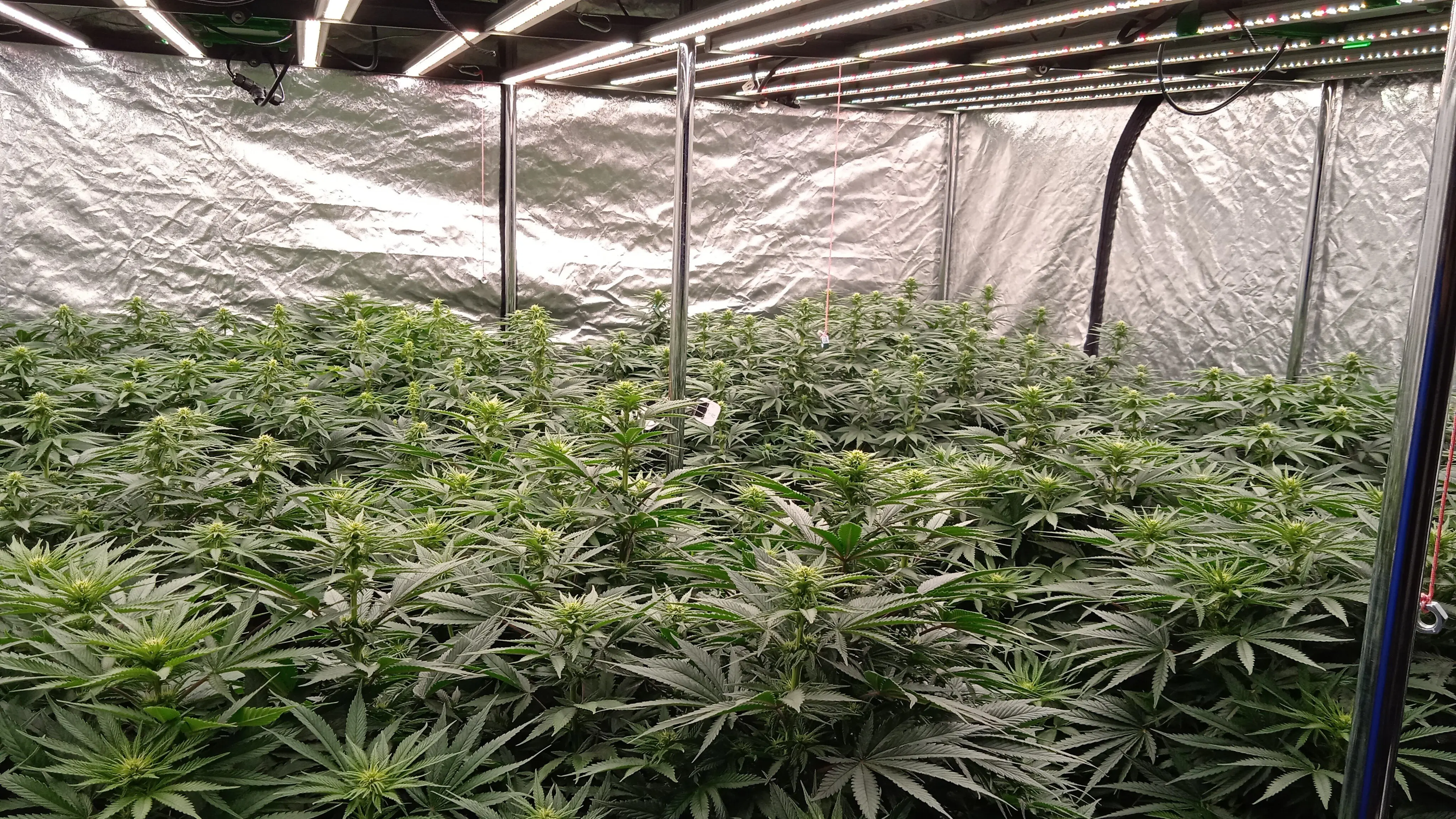
Do not send deposits, identity documents, passport photos, bank details, or verification codes to sellers contacting you through WeChat, Telegram, Xiaohongshu, or encrypted chat. Requests for “解冻费,” delivery insurance, registration charges, or a second payment after a missed meeting are classic fraud signals. Guangzhou Public Security Bureau has warned that private transactions moved outside official platforms and demands for deposits or transfers are common scam patterns. Save usernames, phone numbers, QR codes, payment receipts, chat exports, and meeting details; do not delete evidence.
Treat any unlabelled flower, resin, vape liquid, edible, or tablet as contaminated. Appearance, smell, packaging, and a seller’s claimed “brand” cannot confirm contents. The U.S. CDC reports that illicit products may contain fentanyl without the user knowing; counterfeit tablets can resemble legitimate medicines, and visual inspection cannot establish safety. Do not taste-test, mix substances, or use alone. Slow or stopped breathing, pinpoint pupils, blue or grey lips, collapse, seizure, or inability to wake require an ambulance call to 120; report threats, assault, blackmail, or forced payment to police at 110. Warning signSafe response
| Advance payment or “release fee” | Stop contact; preserve payment records |
| Threats to expose chats or notify an employer | Do not negotiate; call 110 |
| Unsealed product or altered packaging | Do not consume; isolate it from children and pets |
| Sudden drowsiness or breathing changes | Call 120, place the person on their side, stay nearby |
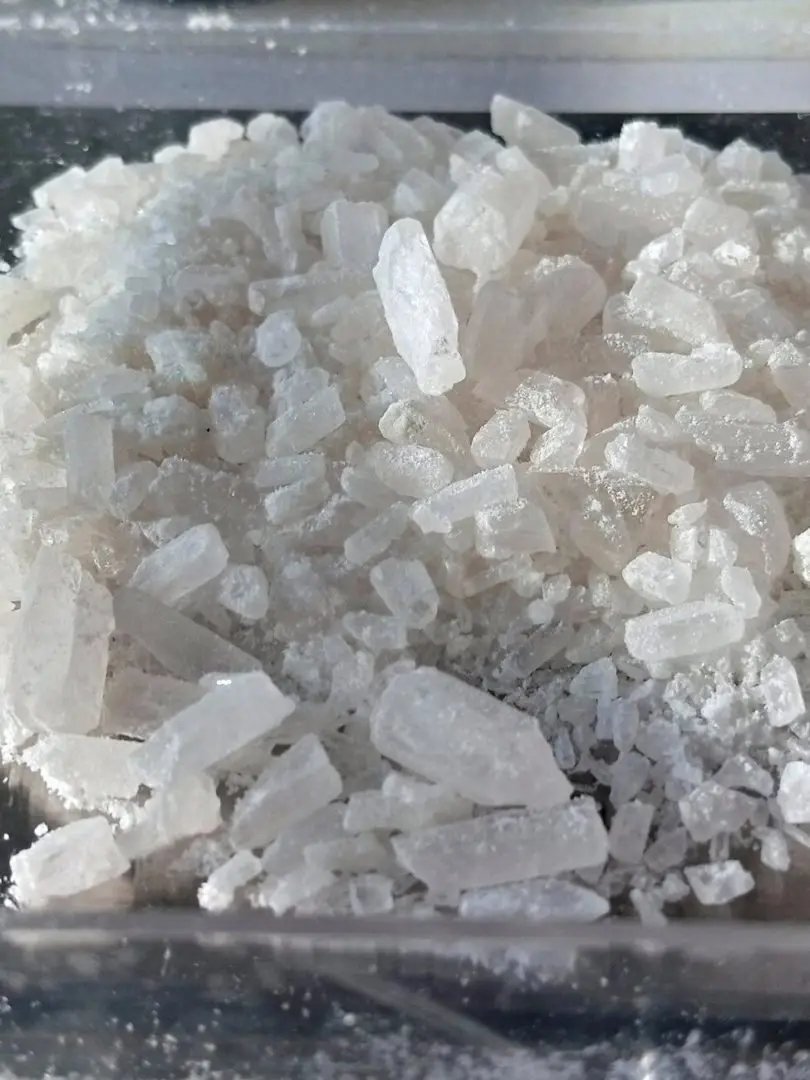
Patients in mainland China should consult a licensed tertiary hospital, such as Sun Yat-sen Memorial Hospital or the First Affiliated Hospital of Sun Yat-sen University, rather than private sellers or messaging groups. Ask a neurologist, pain specialist, or oncologist to review the diagnosis, current medicines, treatment history, and documented symptoms. China’s National Medical Products Administration (NMPA) requires medicines marketed domestically to hold an approval license, while controlled substances follow additional state rules.
There is no general pharmacy route for cannabis flower, THC oils, or informal CBD products in mainland China. The NMPA’s online-sales rules also exclude narcotic drugs and other specially controlled medicines from internet retail. A clinician can instead assess approved alternatives, refer the patient to a registered clinical trial, or explain whether treatment in another jurisdiction is lawful and medically appropriate. Never carry cannabinoid products across the border without written confirmation from Chinese customs and the relevant health authorities. RouteWhat to requestLegal status
| Public tertiary hospital | Diagnosis review and approved alternatives | Recognized medical channel |
| Registered clinical trial | Eligibility screening and informed consent | Permitted only under trial rules |
| Online seller | Unverified oils, capsules, or plant material | Not a lawful substitute for prescribing |
| Cross-border import | Customs and regulatory clearance | Requires prior official confirmation |
Bring imaging reports, prescription records, adverse-reaction notes, and a list of supplements to the appointment. In Hong Kong, THC and CBD are controlled under the Dangerous Drugs Ordinance; possession, sale, or import can carry severe penalties, so a prescription from another country does not automatically create local permission.
Do not carry CBD oil, gummies, capsules, vape liquids, flowers, or extracts into mainland China, even when the label says “0% THC” or the product is prescribed abroad. China added cannabidiol to precursor-chemical controls from September 1, 2024; customs treatment can therefore differ sharply from rules in the United States, Canada, or the United Kingdom. A medical card, doctor’s letter, or foreign prescription does not create a general exemption.
The safest answer for anyone searching “Buy Weed Guangzhou” is not to purchase, ship, or carry cannabinoid products locally. At Guangzhou Baiyun International Airport, an item may be inspected as a controlled substance, medicine, cosmetic, or undeclared import. Do not rely on brand claims from Charlotte’s Web, CBDistillery, or European sellers; packaging does not override Chinese rules. CBD-containing cosmetics also face restrictions under the National Medical Products Administration (NMPA), while the General Administration of Customs (GAC) applies import controls. ProductTraveler riskRecommended action
| CBD oil or tincture | High; liquid and medicinal claims attract scrutiny | Leave outside mainland China |
| CBD gummies or capsules | High; treated as ingestible products | Do not import or mail |
| CBD cream or serum | High; cosmetic rules apply | Use only products legally registered for China |
| Hemp-seed food without CBD | Lower, but labeling and customs checks remain | Verify with GAC before travel |
Residents should buy only products sold through authorized Chinese channels with Chinese labeling, registration or filing details, and a traceable importer. From December 1, 2026, revised cosmetics-import procedures will require stronger declaration and inspection controls, with non-compliant goods subject to return or destruction.
If breathing becomes difficult, the person cannot be awakened, has a seizure, severe chest pain, extreme confusion, or repeated vomiting, call 120 in mainland China and give the exact address, hotel name, floor, room number, and phone number. Keep the person on their side, remove nearby hazards, monitor breathing, and do not induce vomiting, give alcohol, or let them drive. MedlinePlus advises emergency care for breathing problems or unresponsiveness and warns against making an exposed person vomit.
Tell clinicians what was taken, the suspected amount, time of exposure, route of use, and any medicines or alcohol involved. Preserve packaging, receipts, messages, and photographs; do not alter, discard, or hide material. If police arrive, stay calm, keep hands visible, avoid resistance, and do not guess about facts. Ask for an interpreter and a lawyer before signing a statement. Chinese authorities may detain a person after a positive drug test, including where the substance was legal elsewhere or consumed unknowingly.
No. Cannabis is treated as an illegal drug under Chinese law, and Guangzhou follows these national rules. Buying, possessing, using, transporting, or selling cannabis may lead to detention, fines, prison, or more severe penalties in serious cases.
No. A foreign prescription or a legal cannabis market in another country does not provide permission to use cannabis in China. Chinese authorities may also act against people who test positive for drugs, including substances consumed before arrival. Cannabis oils, edibles, vape products, and some CBD products may also create legal problems.
Do not agree to meet, handle a package, transfer money, or share personal details. Leave the area calmly, block the contact, and keep evidence if the person is making threats or attempting fraud. If you feel unsafe, contact local police or ask hotel staff, venue security, or your consulate for help. Do not try to test, hide, transport, or dispose of an unknown substance yourself.
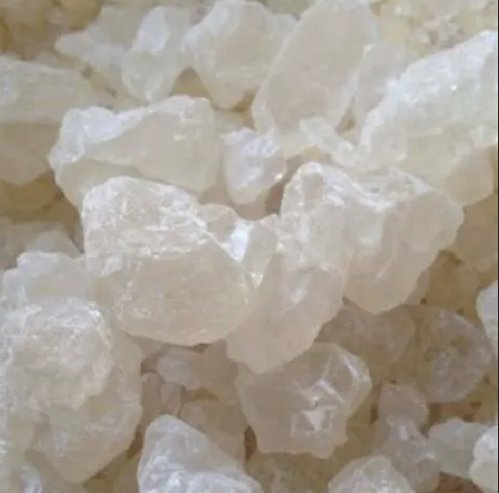
You should not assume that a product is permitted because it is sold legally elsewhere. Chinese authorities identify cannabis, THC, and CBD as controlled substances or restricted ingredients in relevant regulations. Before bringing medication, cosmetics, oils, gummies, or vape liquids into China, check the product with the Chinese embassy or consulate and the relevant customs authority.
Speak with a licensed hospital or clinic in Guangzhou and describe your symptoms, current medicines, and any diagnosis. A doctor can assess the cause and discuss treatments permitted under Chinese rules. Do not purchase medicine from informal sellers or carry cannabis products across the border. If you are already carrying a cannabis prescription or product, contact the nearest Chinese consulate or customs authority before travel and ask for written guidance.
No. Cannabis is prohibited in mainland China, including Guangzhou. Possession, use, sale, transport, cultivation, and import can lead to serious legal consequences. Chinese authorities also treat cannabis products and derivatives, including some CBD or THC items, as controlled substances.
Visitors should not bring cannabis, cannabis oil, edibles, vape cartridges, or CBD products into Guangzhou unless they have received clear confirmation from the relevant Chinese authorities for that specific product. A prescription or legal status in the visitor’s home country does not automatically apply in China. Travel guidance states that Chinese authorities may treat cannabis-based products as illegal, including items that were lawfully obtained abroad.
Possible consequences include detention, questioning, fines, imprisonment, deportation, and restrictions on future entry. Drug trafficking, manufacturing, smuggling, and possession may receive especially severe penalties, with the most serious cases carrying very long prison terms or the death penalty. Enforcement can also apply after a person used cannabis outside China if testing or other evidence is involved.
Do not negotiate, make a purchase, carry a package for another person, or agree to meet at a private location. Leave the situation calmly and avoid handling any substance. If you already possess cannabis or have been contacted by a seller, speak with your embassy or consulate and a qualified lawyer in China before making statements or signing documents. If there is an immediate threat, contact local emergency services.
Каждая партия проходит контроль. Мы знаем, что продаём, и отвечаем за это.






